The Democratic Republic of Congo has agreed to cooperate with a Belgian consortium on decentralized electricity projects aimed at expanding power access in rural and peri-urban communities.
Water Resources and Electricity Minister Aimé Sakombi Molendo signed the memorandum of understanding in Paris on November 13 with a consortium of Belgian companies led by Janson, according to a report published by Congolese news outlet Ouragan on November 17. The signing was also reported by Congo Inter.
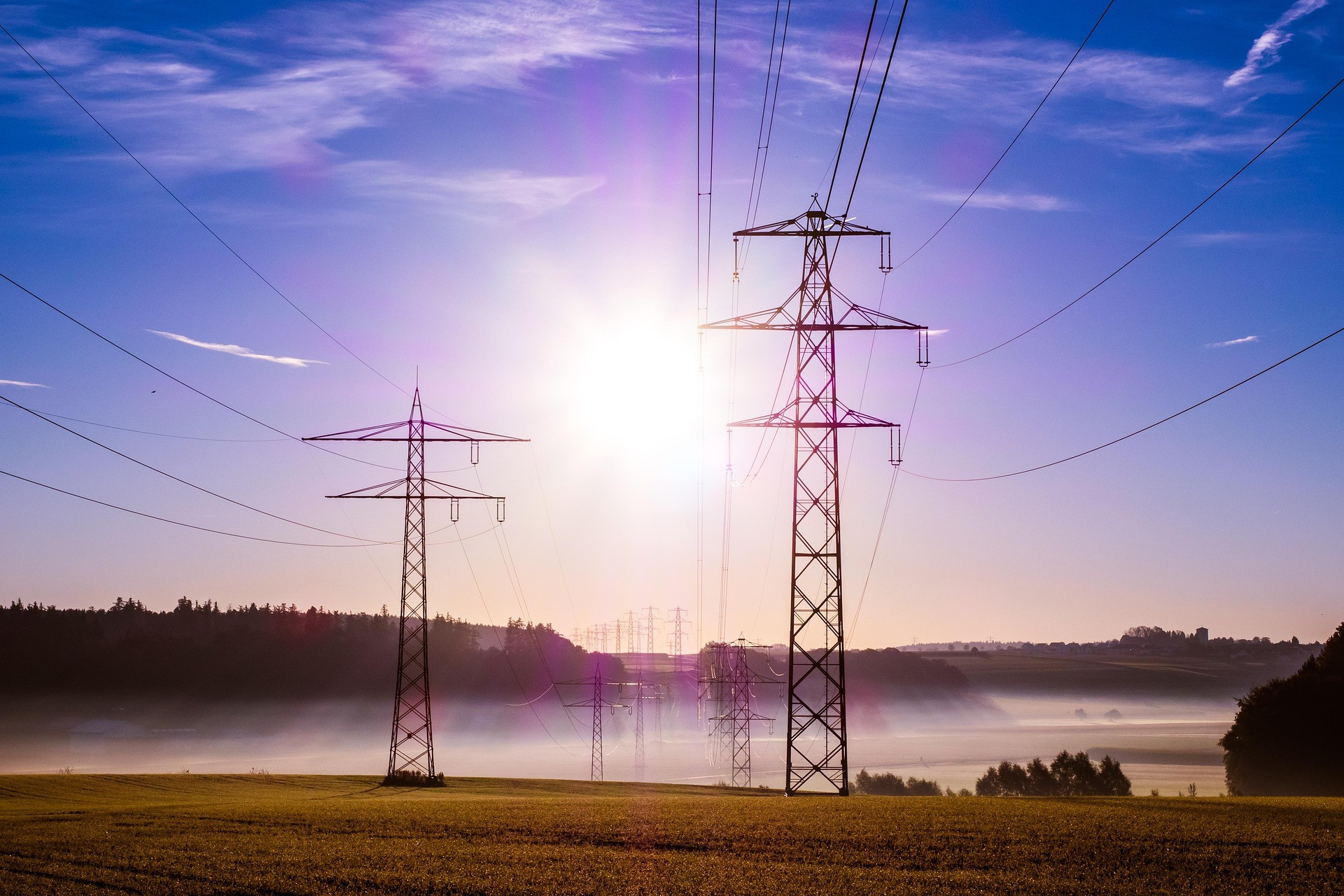
The proposed cooperation focuses on developing local electricity mini-grids to supply households and businesses in areas where conventional grid infrastructure has limited reach. The initiative is also intended to support local economic activity and improve access to energy beyond major urban centers.
The agreement follows discussions held in Brussels in April, when Congolese officials and Belgian representatives explored opportunities to develop decentralized power infrastructure, including small power plants and mini-grids, and attract private investment.
The partnership forms part of the country's National Energy Compact, which aims to increase electricity access from 21.5% in 2024 to 62% by 2030. Achieving this target is expected to require approximately $37 billion in investment across the electricity sector, including $20 billion from private investors and $17 billion in public funding.
However, the authorities have not disclosed the investment value of the Belgian partnership, the communities or provinces selected for the projects, or the timetable for implementation. The number and generating capacity of the planned mini-grids also remain unspecified.
The development of decentralized electricity systems could help the DRC extend power access to underserved communities while creating opportunities for private companies in the country's energy sector. The partnership's practical impact will depend on securing financing and moving from the memorandum to concrete investment projects.