Western efforts to isolate Russia have not prevented Moscow from expanding its military partnerships across Africa. Instead, Russia is gradually building a network of security relationships stretching from North Africa into the Sahel, with Algeria, Libya, Mali, Burkina Faso and Niger increasingly linked to Moscow through defense cooperation.
The emerging network is not a formal military alliance comparable to NATO. Its importance lies elsewhere: Russia is developing a group of African partners that increasingly rely on its weapons, military training, security personnel and political backing.
Algeria occupies a particularly important position in this network. The country is one of Africa’s strongest military powers and has maintained deep defense ties with Russia for decades. Moscow has supplied Algeria with advanced weapons systems, while the two countries have continued military cooperation despite growing Western pressure on Russia.
The Sahel provides another pillar of Moscow’s expanding security presence.
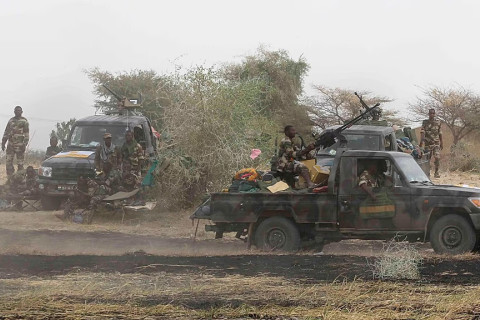
Mali, Burkina Faso and Niger have moved away from their traditional Western security partnerships and deepened ties with Russia. The three countries, which form the Alliance of Sahel States, have also agreed with Moscow to strengthen military and technical cooperation. Russia has deployed Africa Corps personnel to the region, replacing Wagner as its main security structure.
The events in Niger at the end of August offered a particularly clear demonstration of how these relationships can operate in practice. Russian Africa Corps forces helped Nigerien authorities regain control of a strategic military base in Niamey after mutinous soldiers launched an attack. Algeria also demonstrated support for Niger, including through the deployment of fighter aircraft and military equipment.
The episode is significant because it shows that Russia’s African security partnerships are no longer limited to arms sales. Moscow is increasingly positioned as a provider of direct military support to governments facing security crises.
Libya adds another strategic dimension. Russian military activity linked to forces under Khalifa Haftar gives Moscow a presence connecting the Mediterranean, North Africa and the Sahel. Together with its partnerships farther south, this creates a geographic corridor of Russian military influence across a large part of Africa.
For Moscow, the strategy offers more than commercial opportunities for its defense industry. Military partnerships create political relationships, access to strategic locations and influence over governments seeking alternatives to Western security assistance.
For Western governments, the development presents a difficult reality. Sanctions and diplomatic pressure may restrict Russia’s economic access to international markets, but they have not prevented Moscow from finding governments willing to cooperate with it on security.
Russia is therefore not building an African version of NATO in the institutional sense. It is building something more flexible: a network of military partnerships in which separate bilateral relationships increasingly reinforce one another.
The result is a growing Russian security footprint across Africa at a time when several African governments are deliberately reducing their dependence on Western military partners.