Five European Union countries have announced plans to establish a migrant “return hub” in Rwanda, aiming to begin transfers in 2027 for people who have exhausted legal routes to remain in Europe and cannot be deported to their countries of origin.
The governments of Germany, Denmark, Austria, Greece and the Netherlands presented the initiative in Vienna on November 16, according to the website of the Netherlands’ Government.
The proposed center would receive migrants subject to enforceable return or removal decisions, not people still awaiting an asylum decision. Rwanda and the five governments say the model will comply with EU, Rwandan and international human-rights law, and that refugees, asylum seekers and unaccompanied minors will be excluded.
Rwanda will screen the names submitted by the participating states and may accept or reject individual transfers. Once there, migrants could integrate into Rwandan society, return voluntarily to their country of origin, or move to another country where they have a legal right to reside.
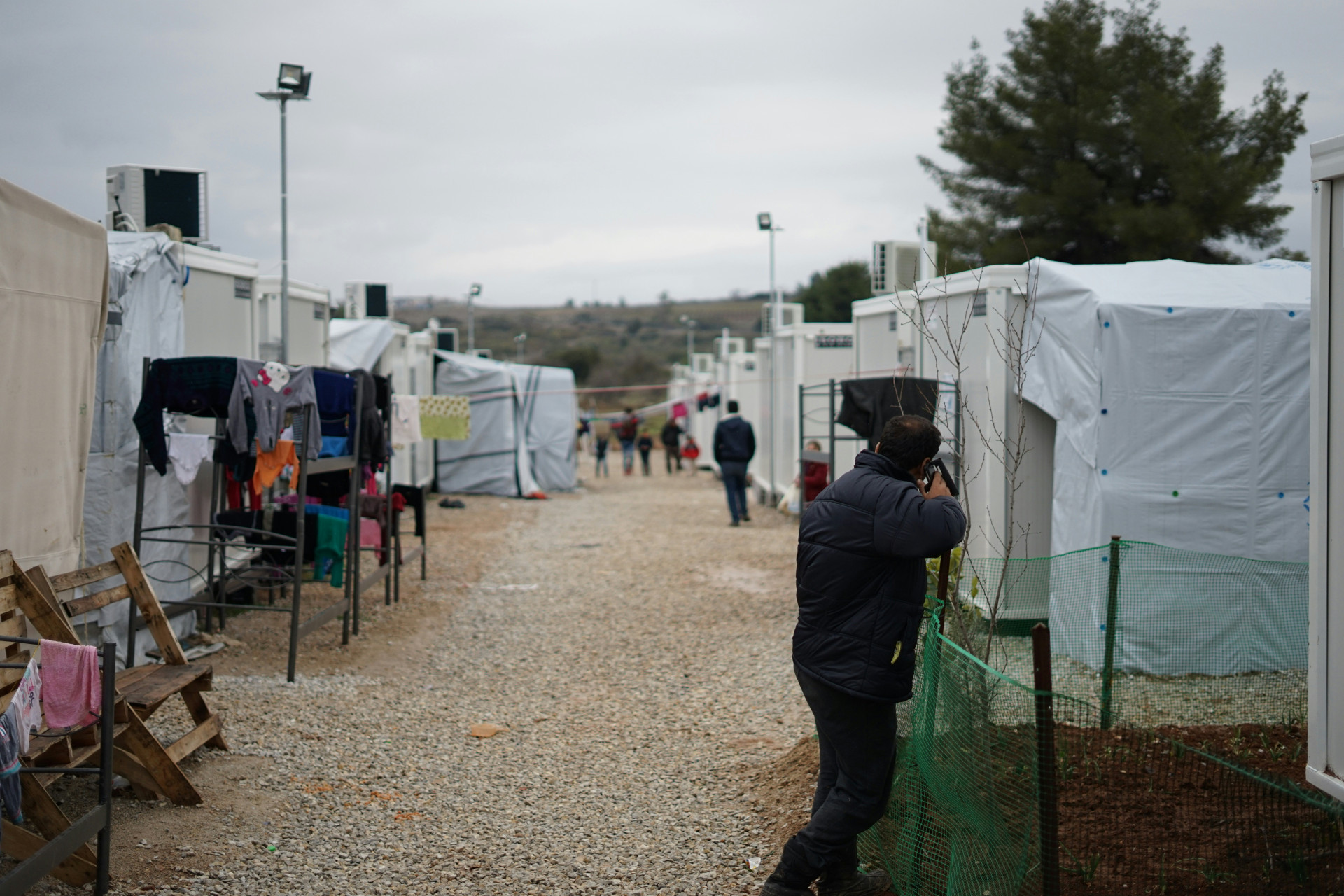
The first phase is expected to operate as a pilot with capacity for about 100 people, potentially around 20 from each participating country. The facility is described by Kigali as a “welcome center” rather than a detention facility, with residents expected to have access to residence rights, education, healthcare, the labor market and legal protections.
Rwanda was chosen because of its experience hosting refugees, including people evacuated from Libya under an EU-supported transit program. The arrangement is part of a wider European effort to increase removals and reduce irregular migration.
The participating governments will cover the costs of transfers and accommodation in Rwanda. They also say resources should benefit host communities, particularly where migrants are integrated locally.
The governments are beginning detailed negotiations with Rwanda, with the aim of launching the first transfers in 2027. Key unresolved issues include the final legal agreement, selection criteria, duration of stay, consent procedures, monitoring arrangements and the role of international organizations such as UNHCR and the International Organization for Migration.