Nigeria’s police and electoral commission are intensifying efforts to counter AI-generated disinformation ahead of the 2027 general elections, warning that deepfakes, cloned voices and fabricated results could erode public trust and disrupt voting.
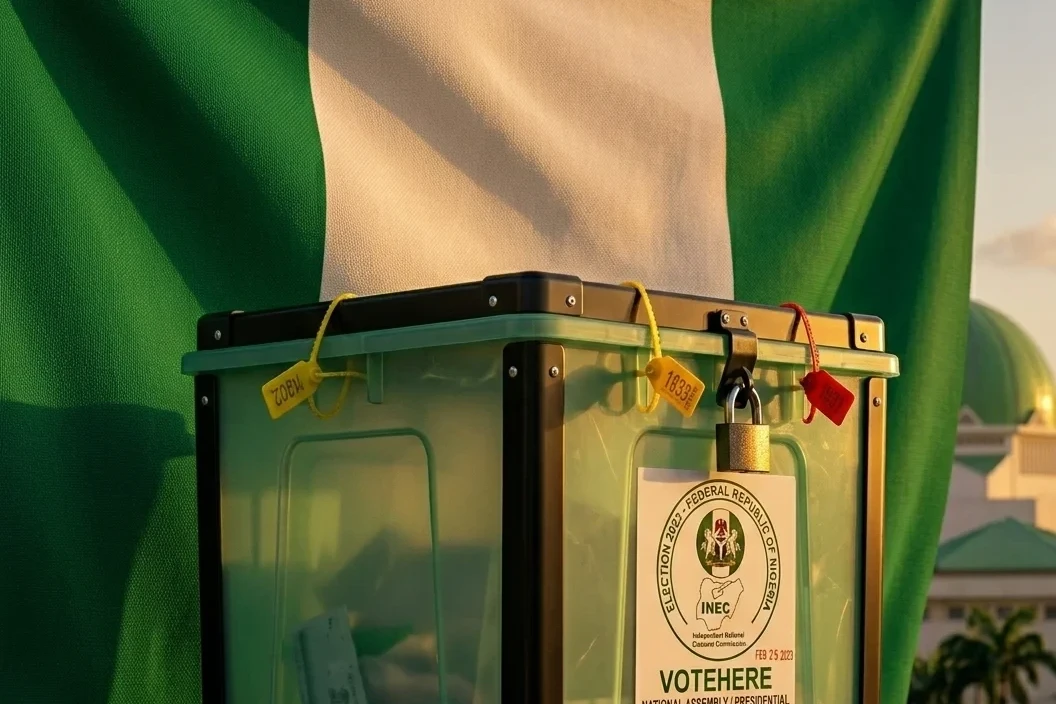
The presidential and National Assembly polls are scheduled for January 16, 2027, with governorship and state assembly elections on February 6.
Addressing a PUNCH Media Foundation webinar on AI misinformation and the 2027 vote, Assistant Commissioner of Police Bashir Abdullahi, representing the Inspector-General of Police, said the force would not tolerate AI-generated misinformation that threatens national security or undermines the credibility of the elections.
He said the Nigeria Police Force National Cybercrime Centre, created after the 2023 elections, now monitors and verifies suspicious online material, especially content suspected of being AI-generated or manipulated. The center is also working to identify the origin of misleading posts and preserve digital evidence for possible prosecution.
The police said they are cooperating with technology companies including Meta and TikTok to obtain relevant information, trace content sources and support investigations.
Abdullahi disclosed that authorities have already handled manipulated videos and deepfakes, including a video falsely depicting President Bola Tinubu making remarks he never made, and added that the force had acquired cybersecurity tools capable of detecting deepfake videos, cloned voices and other AI manipulations with up to 99% accuracy.
The police said the technology would help identify creators of fake content, verify suspicious material and investigate coordinated online campaigns.
The Independent National Electoral Commission (INEC) has separately warned editors that deepfakes, cloned audio and fabricated result sheets could make false claims appear credible and cause citizens to doubt authentic official information. INEC Chairman Joash Amupitan, represented by Enugu Resident Electoral Commissioner Chukwuemeka Chukwu, issued the warning at the All Nigeria Editors Conference in Enugu.
INEC also cautioned media organizations against publishing privately collated results or amplifying figures circulated by political actors on social media. The commission said it is establishing an Artificial Intelligence Division within its ICT department to help detect and respond to manipulated election-related content.
Civil society and media representatives at the police webinar said protecting electoral information requires coordinated action by INEC, security agencies, technology firms, journalists and civil society. Yiaga Africa’s Cynthia Mbamalu called for timely public briefings and scenario planning to counter fake announcements and manipulated statements.