The United States and the Democratic Republic of Congo have taken a major step toward developing Grand Inga, a proposed Congo River hydropower complex that could become the world’s largest power station.
The inaugural Grand Inga Coordination and Governance Committee met in Paris, moving the project from a long-standing ambition into formal bilateral planning, according to PR Newswire.
The committee was co-chaired by DRC Deputy Prime Minister Daniel Mukoko Samba and Jeremy Wiggins of the U.S. Treasury. It follows the US-DRC Strategic Partnership Agreement, signed in Washington on December 4, 2025, which covers critical minerals, infrastructure, investment and energy.
The agreement specifically designates Grand Inga as transformative infrastructure for mining, mineral processing, agriculture, transport corridors and Congolese living standards. It also commits the two governments to coordinate financing from development banks, export-credit agencies and private investors.
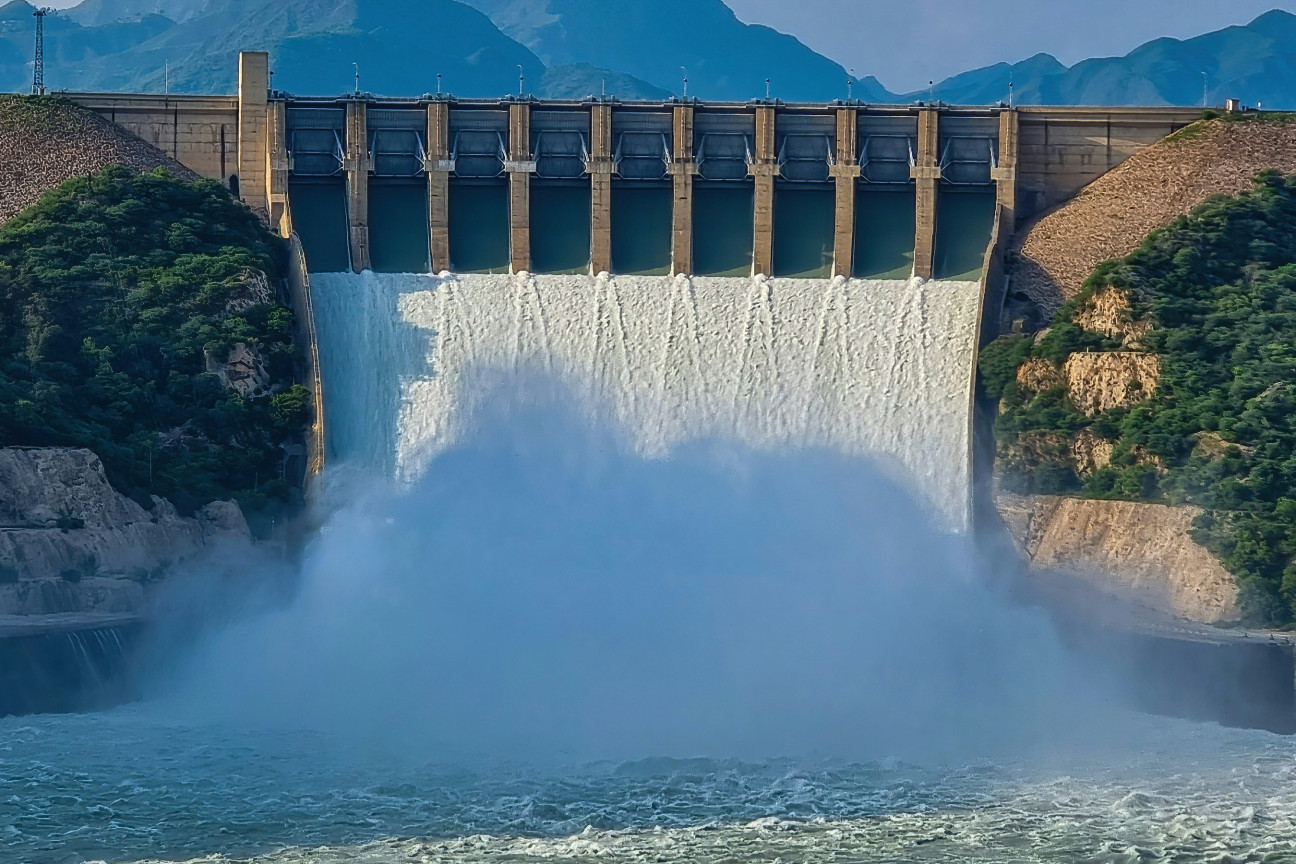
Grand Inga’s potential capacity is estimated at about 42,000 megawatts—nearly double the 22,500 megawatts at China’s Three Gorges Dam, currently the world’s largest operating power station.
The World Bank says the site could ultimately host up to eight hydropower projects, while existing Inga 1 and Inga 2 plants have a combined capacity of about 1,775 megawatts.
The project could be especially consequential for the DRC, where only 21.5 percent of people had electricity access in 2024. Under the country’s Mission 300 energy compact, Kinshasa aims to add nearly 58 million electricity connections by 2030 and raise access to 62%.
Congolese officials have presented a more focused next phase of about 4,800 megawatts, intended primarily for mining and industrial users rather than the much larger export-oriented schemes previously considered. The DRC is seeking investors for $12 billion in power projects over five years, including generation, transmission and distribution beyond Inga.