Tanzania plans to significantly expand renewable energy generation over the next four years as the government seeks to increase electricity supply and support economic growth. The country aims to reach a total installed power generation capacity of 8,000 megawatts (MW) by 2030.
The renewable energy target was outlined by James Mataragio, permanent secretary in the Ministry of Energy responsible for petroleum and gas, at the opening of the 2026 Renewable Energy Week conference in Dar es Salaam on November 12, according to Xinhua.
According to Mataragio, Tanzania plans to generate 1,892 MW from renewable sources by 2030, with solar, wind and biomass expected to play a greater role in diversifying the country's energy mix.
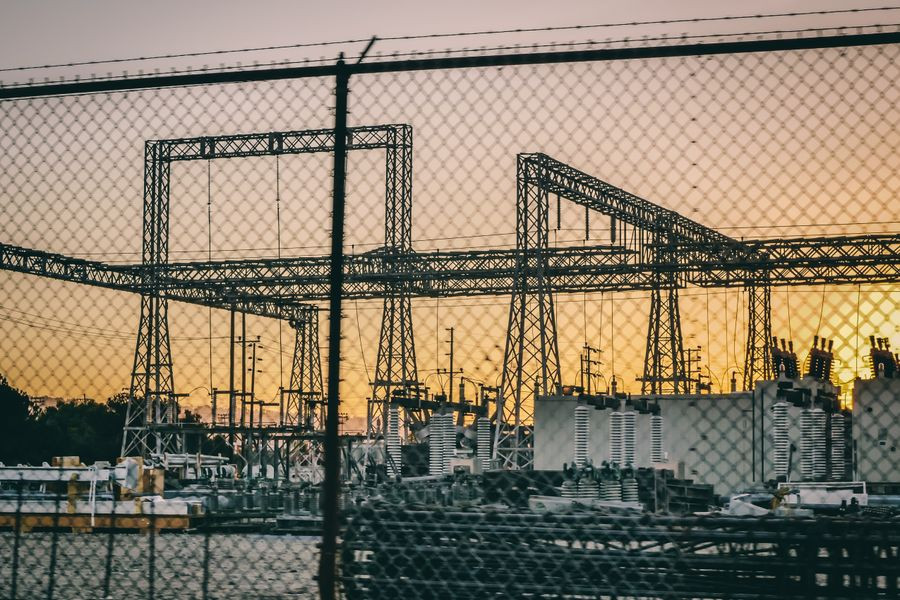
The country currently has an installed electricity generation capacity of 4,667 MW, drawing on hydropower, natural gas, biomass, solar, coal and wind. Expanding renewable sources is expected to help meet rising demand while broadening the range of technologies used to produce electricity.
The government's longer-term ambitions are set out in Tanzania Development Vision 2050, which targets electricity generation capacity of 70 gigawatts by 2050. Achieving this goal will require substantial investment, technological development and cooperation between public institutions, private companies and international development partners.
Alongside electricity generation, Tanzania is also pursuing a transition towards cleaner household energy. The National Clean Cooking Energy Strategy 2024–2034 aims to ensure that 80% of the population uses clean cooking energy by 2034. A separate national energy target seeks to reach 75% by 2030.
The expansion of renewable power is expected to support Tanzania's industrial development, infrastructure projects and access to reliable electricity. However, meeting the 2030 targets will depend on securing financing, attracting investors and delivering new generation projects on schedule.