The Democratic Republic of the Congo is advancing regulatory reforms in its electricity sector to improve utility finances, draw investment and broaden access, with technical and financial backing from the African Development Bank.
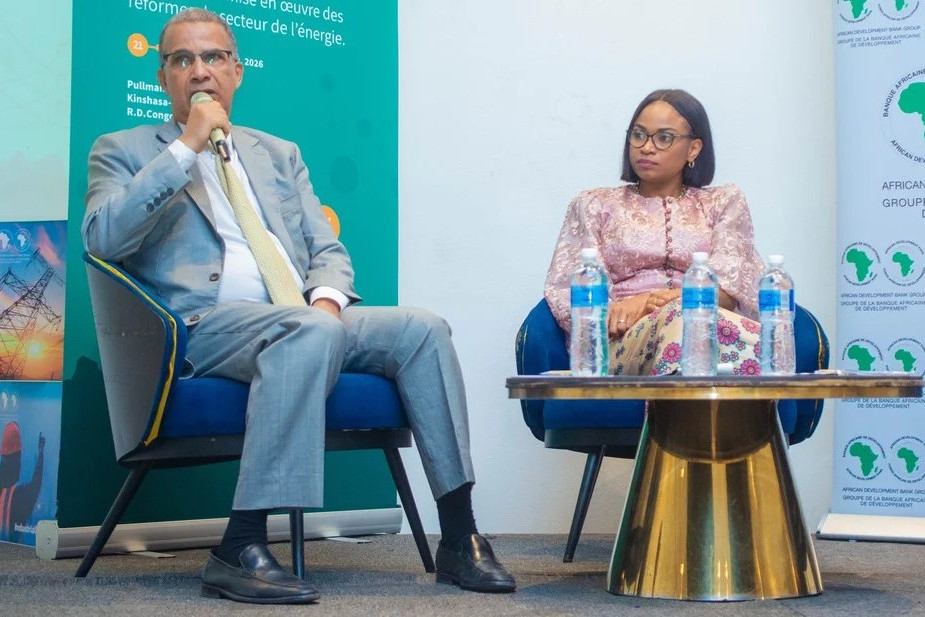
From 21 to 25 September, the Electricity Sector Regulatory Authority (ARE) and the bank convened a stakeholder workshop in Kinshasa under the African Energy Sector Technical Assistance Programme (AESTAP), gathering officials from the water and electricity ministry, ARE, the state utility SNEL, private operators and other public bodies, the AfDB reported on September 30.
Participants focused on three priorities: calculating the true cost of electricity supply, harmonising tariff-setting methodology and creating a clear regulatory framework for grid connections.
Callixte Kambanda, who heads the African Development Bank’s Energy Policy, Regulation and Statistics division, said effective economic regulation is essential to attract capital, strengthen sector sustainability and raise service quality. A tariff study covering SNEL’s operational area will give the regulator tools to assess service costs, demand trends and the revenue operators need to remain viable.
The study recommends phasing in a transparent, equitable tariff framework that shields household purchasing power while ensuring adequate returns to fund generation, transmission and distribution investment.
ARE Director-General Soraya Aziz-Moto said the work will support more predictable, consumer-aware regulation that balances sector interests.
Cherif Mohamed, the bank’s DRC Country Manager, stressed that the reforms aim to build a well-regulated, financially sound power sector capable of extending electricity access nationwide.
SNEL’s 2024 annual report shows nearly one million billed customers and annual sales of about 10,000 gigawatt-hours, with most energy consumed by high‑voltage clients. Although low‑voltage users represent over 99 percent of the customer base, a small number of large industrial consumers account for the bulk of consumption, highlighting the need for better data to improve demand forecasting.
The reforms are aligned with Mission 300, a joint African Development Bank–World Bank initiative to connect 300 million Africans to electricity by 2030 through utility strengthening, policy reform and scaled financing.