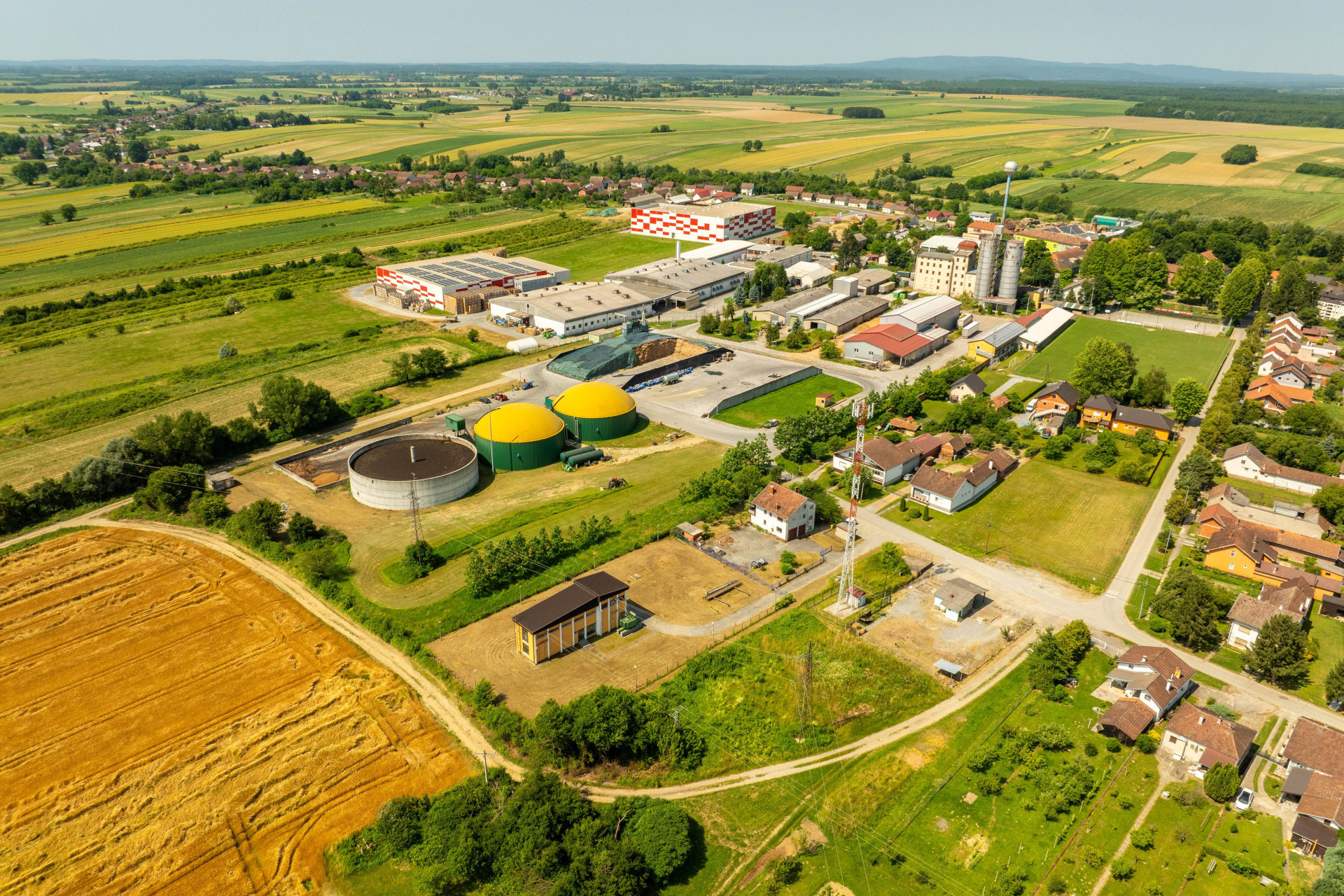
Côte d’Ivoire has officially commissioned the BIOVEA biomass power plant in Ayébo, in the Aboisso department, marking a new step in the country’s efforts to diversify its energy mix. With an installed capacity of 46 megawatts (MW), the facility is described by the government as the largest power plant in West Africa operating exclusively on agricultural residues.
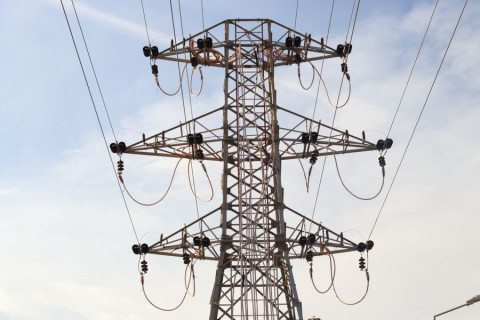
The inauguration took place on November 5, 2026, with Minister of State Nialé Kaba representing Prime Minister Robert Beugré Mambé. The plant is expected to supply around 336 gigawatt-hours (GWh) of electricity to the national grid annually, equivalent to the needs of approximately 1.7 million people, the government announced.
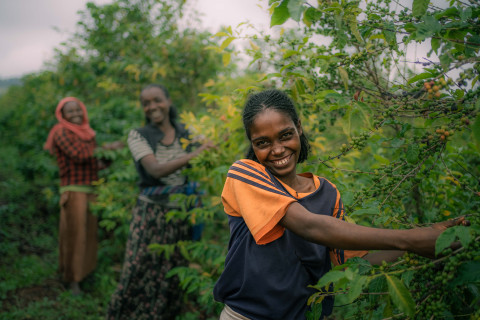
BIOVEA will primarily use agricultural residues from oil palm production, turning materials that would otherwise have limited economic value into a source of electricity. The project is expected to benefit more than 12,000 farmers by creating an additional market for their agricultural by-products. It is also projected to generate over 1,000 direct and indirect jobs, while ash from the production process will be reused as agricultural fertiliser.
The project represents an investment of more than 150 billion CFA francs (approximately $270 million). It is backed by EDF, Meridiam and the SIFCA Group, with financing support from Proparco and the Emerging Africa Infrastructure Fund. China Energy Engineering Corporation carried out the construction.
The government has also announced plans for two additional biomass power plants: one using cocoa residues in Divo and another using cotton stalks in Boundiali. These projects are intended to expand the use of agricultural by-products in electricity generation.
BIOVEA is expected to help Côte d’Ivoire strengthen energy security while creating new sources of income for farming communities and supporting the country’s transition towards a more diversified energy system.