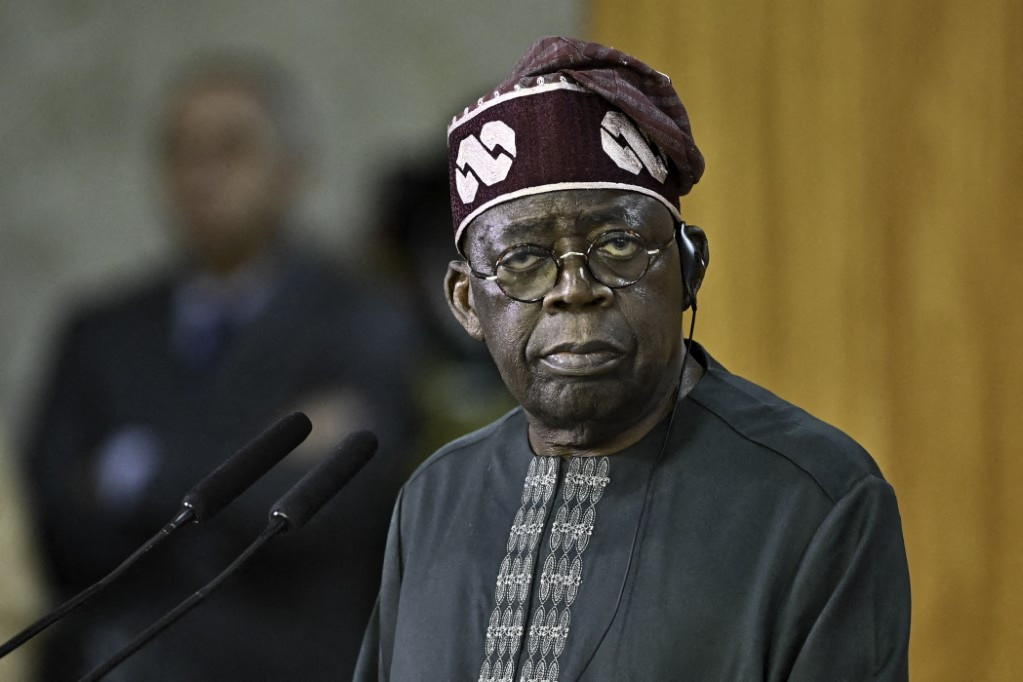
President Bola Tinubu has called for closer intelligence sharing among Nigeria’s security agencies, saying better coordination is essential to protect vulnerable communities and ensure Nigerians can exercise their democratic rights safely ahead of the 2027 general elections.
Represented by a presidential delegate at the opening of the Chief of Defence Intelligence Annual Conference 2026 in Abuja on November 16, Tinubu urged the Department of State Services, the Armed Forces, the Nigeria Police Force and other agencies to coordinate their operations more closely, according to The Punch.
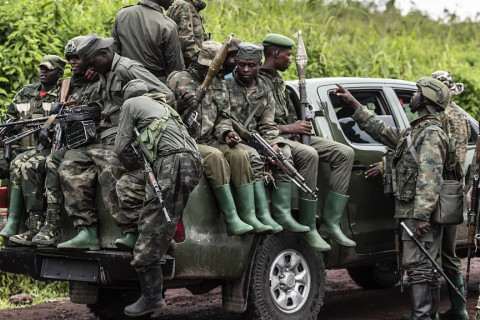
The president said Nigeria faced an increasingly complex range of security threats, including terrorism, banditry, kidnapping, cybercrime and transnational organised crime. He called on security institutions to strengthen their intelligence capabilities through technological innovation, including artificial intelligence, machine learning, cyber capabilities and unmanned surveillance systems.
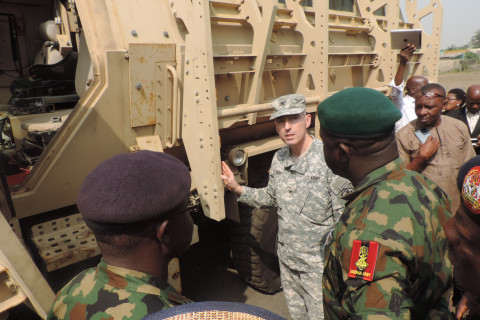
Nigeria is also receiving intelligence and surveillance assistance from the United States. Defence Minister Christopher Musa said on November 16 that US intelligence sharing, satellite imagery and military training were helping Nigerian forces identify, track and target militant leaders and armed groups. He said troops were conducting near-daily operations against insurgents and bandits with the support of improved intelligence. Musa added that Nigerian authorities were working with US counterparts to disrupt militant financing networks.
The latest appeal follows a series of security commitments announced by Tinubu during a visit to Plateau State on November 14. 1,000 forest guards recruited by the Federal Government were undergoing training and were expected to begin work after completing it. Surveillance cameras procured for the state had also arrived in Nigeria and were due to be installed.
The president additionally pledged to work with the Plateau State government to rebuild communities affected by violence and facilitate the return of displaced residents.
Regional cooperation is another part of the security effort. Musa said Nigeria had reached an arrangement with Cameroon, Niger and Chad allowing troops to pursue militants and bandits up to five kilometres across shared borders. The agreement is intended to make it harder for armed groups to evade security forces by crossing national boundaries, Reuters reported.
The measures form part of a broader effort to strengthen Nigeria’s security architecture. In August, Tinubu ordered the preparation of a comprehensive National Threat Assessment and a rolling five-year Strategic Defence Operations Plan. A presidential committee was tasked with preparing the documents within 90 days for his consideration and approval.
The latest instructions underline the administration’s focus on intelligence-led operations and inter-agency cooperation. Their effectiveness will depend on how quickly the announced measures translate into coordinated action and improved security for communities facing persistent threats.