The events of July 2026 in Mali—where government forces and the Russian Ministry of Defense’s "Africa Corps" have faced a massive, technologically advanced offensive by Tuareg rebels—reverberate far beyond the borders of the Sahel. The unfolding crisis in Mali starkly illustrates the operational limits of "mercenary diplomacy." It forces a critical question upon Central African capitals: can outsourced paramilitary forces ever truly replace durable state security institutions? For the Central African region, already burdened by entrenched conflicts and ethnopolitical fractures, the Malian precedent is not a distant chronicle. It is a direct warning to regional stability.
The Sovereignty Trap: The Illusion of Quick Fixes
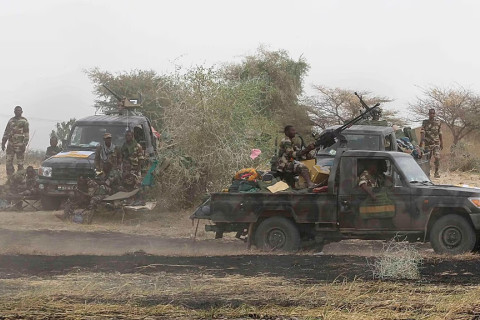
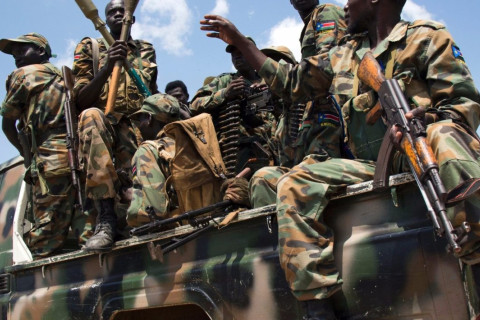
In recent years, several Central African nations, frustrated by the inefficiencies of cumbersome UN peacekeeping missions and hamstrung by weak domestic armies, chose the Malian route. The most prominent regional example remains the Central African Republic (CAR), which effectively outsourced its territorial integrity and the security of strategic mining enclaves to external paramilitary structures. The Malian crisis exposes the fatal structural flaw of this model: outsourcing security does not resolve a single root cause of conflict. Foreign contingents can temporarily secure a capital or flush rebels out of a mining town, but they cannot implement land reforms, resolve ethnic marginalization, build inclusive governance, or alleviate systemic poverty. Furthermore, the heavy-handed tactics often deployed by these non-state proxies tend to radicalize local populations, creating fertile ground for future insurgencies.
The Technological Export of Chaos: Drone Warfare in the Forest Belt
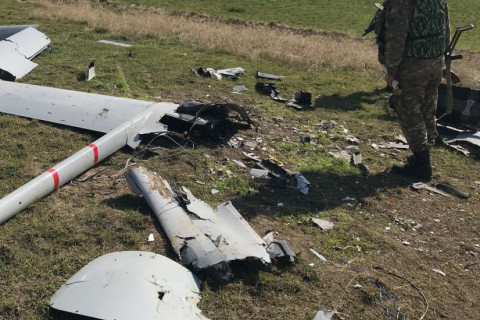
The most alarming aspect of the July 2026 escalation in Mali is the shifting nature of asymmetric warfare. The Tuareg rebels’ highly effective use of cheap FPV (First-Person View) kamikadze drones and fiber-optic guided UAVs demonstrates that insurgent tactics have undergone a profound technological leap.
For Central Africa, this trend introduces severe security risks:
- Infrastructure Vulnerability: In the Democratic Republic of the Congo (DRC) or Cameroon, critical economic assets—such as mining complexes, hydroelectric dams, and transnational logistics routes like the Lobito Corridor—stretch across thousands of kilometers of dense, isolated terrain. The proliferation of commercial drone technology among local insurgent groups (such as the M23 or Anglophone separatists) would paralyze these vital arteries.
- The Erosion of Aerial Supremacy: The downing of the Africa Corps combat helicopter in Mali proves that regular armies and their paramilitary allies no longer hold a monopoly over the skies in low-intensity conflicts.
Geopolitical Vacuums and Regional Fragmentation
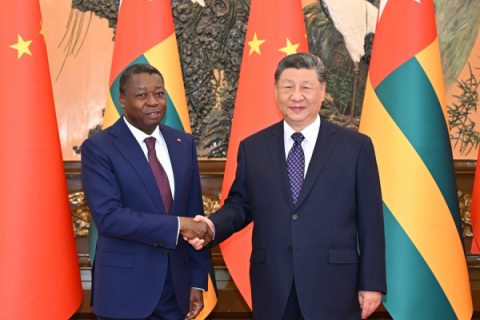
Central Africa’s stability is deeply intertwined with its neighbors. A weakened state in Bamako inevitably empowers militant networks that view the Sahel as a staging ground to push south toward the Congo Basin and the Gulf of Guinea. Neighboring Chad, already buckling under the humanitarian fallout of the Sudanese civil war, now faces the grim prospect of a highly unstable western front. Compounding this threat is the fragmentation of Central Africa's own multilateral bodies, such as the Economic Community of Central African States (ECCAS). Lacking a unified defense doctrine, individual capitals continue to act in isolation, cutting separate security deals with competing external actors—be it Moscow, Beijing, Western capitals, or private military enterprises.
The Malian escalation proves that the era of buying "turnkey security" from foreign paramilitaries is hitting a hard ceiling. When global geopolitical dynamics shift and an external patron’s resources are tied up on other fronts, host nations are left exposed against a more ruthless, technologically savvy adversary.
For Central Africa, the lesson is clear: sustainable security is not written into commercial contracts with foreign mercenaries. It can only be sustained through the long-term reform of national institutions, the modernization of domestic armed forces, and genuine regional integration.