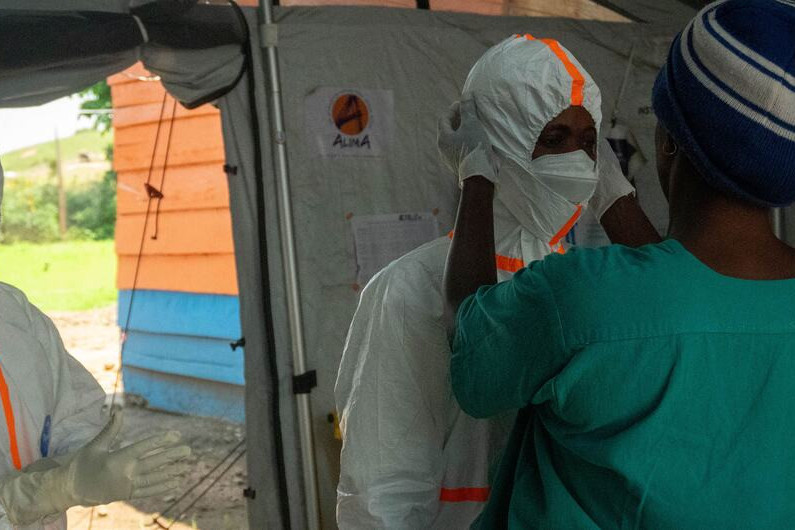
The Ebola outbreak in the Democratic Republic of Congo (DRC) has spread to North Ubangi, making it the eighth province affected since the epidemic was declared in mid-May.
Two cases have been confirmed in the northwestern province, which borders the Central African Republic, although national authorities had not formally announced the cases at the time of reporting, according to Voice of Healthcare
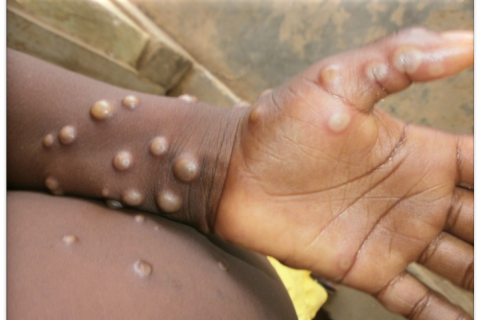
The outbreak, caused by the Bundibugyo species of Ebola virus, has now resulted in more than 9,000 confirmed cases and over 4,400 deaths. The World Health Organization (WHO) reported 9,144 confirmed cases and 4,410 deaths in the DRC as of 14 October, with a case fatality rate of about 48 percent.
Ituri Province remains the outbreak’s epicenter, accounting for 6,695 confirmed cases and 3,099 deaths as of 11 October, according to the UK Health Security Agency’s outbreak monitoring report. However, transmission has continued to rise in Nord-Kivu, which had recorded 1,911 cases and 1,092 deaths by the same date.
In eastern Nord-Kivu, officials have warned that community resistance is undermining containment efforts. Lubero Territory administrator Col Alain Mitela Kiwewa said misinformation had discouraged residents from seeking care or cooperating with isolation and disinfection measures, according to local reporting cited in the original dispatch.
The challenge is compounded by insecurity and displacement. In areas under the control of the March 23 Movement (M23), authorities have imposed transport restrictions, while Rwanda has reportedly reintroduced limits on travel between Goma and Gisenyi, disrupting trade and humanitarian access.
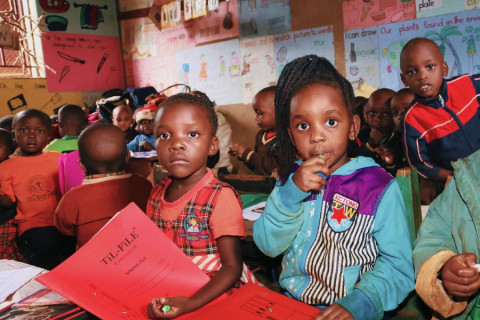
Separately, a water shortage at four primary schools in Butembo, eastern DRC, has left at least 2,665 pupils and 67 teachers without access to hand-washing facilities, increasing their vulnerability to Ebola and other infections. The Butembo-Lubero Children’s Parliament said the schools had lacked water since the start of the 2026–2027 academic year and called for a borehole costing an estimated $6,000.
Aid organizations warn that poor hygiene infrastructure, combined with population displacement and weak access to health services, could accelerate transmission. The WHO has described the epidemic as continuing to expand both geographically and in case numbers.