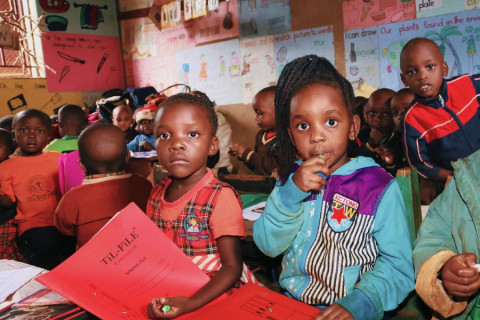
Africa is estimated to hold $29.5 trillion in mineral wealth, yet the continent still relies on foreign aid to help fund development. The disparity is striking, but the real issue is not how much wealth lies underground. It is how much of that wealth reaches public budgets, local businesses and ordinary people.
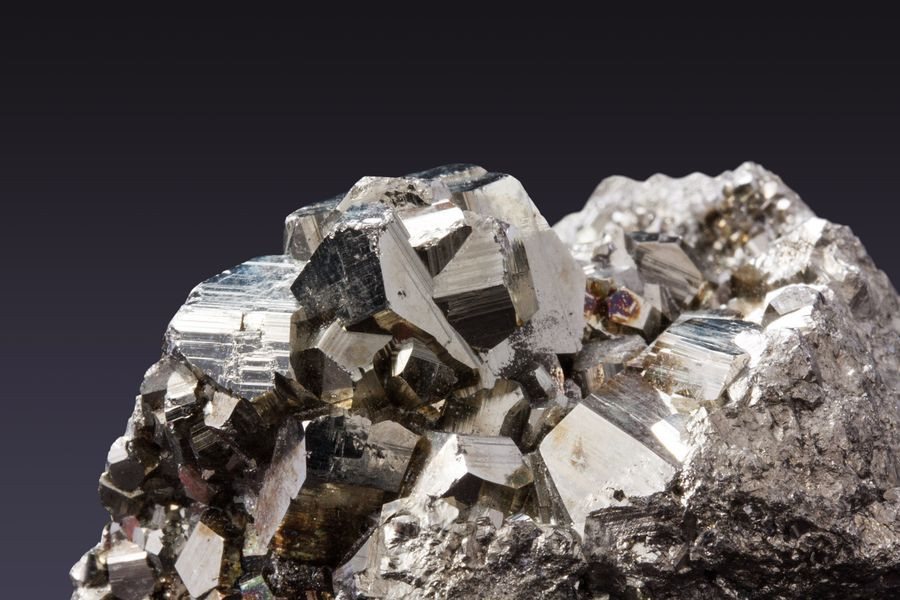
A study released by the Africa Finance Corporation (AFC) in February 2026 estimates Africa’s mineral resources at $29.5 trillion in value at mine sites, with about $8.6 trillion still undeveloped. The continent holds around 30% of the world’s reserves of key minerals, including cobalt, lithium, copper, manganese and platinum-group metals.
These figures represent the estimated value of mineral resources before processing and other costs. They are not money available to African governments. Turning that potential into lasting prosperity depends on what happens after minerals are discovered and extracted.
Where the value goes
In 2024, African countries received an estimated $42 billion in bilateral official development assistance from members of the OECD’s Development Assistance Committee (DAC), according to preliminary OECD data.
A separate UN estimate underscores another challenge. In 2020, the UN Conference on Trade and Development (UNCTAD) estimated that $88.6 billion left Africa each year through illicit capital flight. The figure is an older estimate, not a current measurement, but it illustrates the scale of resources that may be lost through illegal financial transfers and related practices.
These numbers measure different things: mineral wealth is an estimate of assets in the ground, while aid and capital outflows are annual financial flows. They cannot be compared directly. Together, however, they raise an important question about how African countries can make better use of their resources.
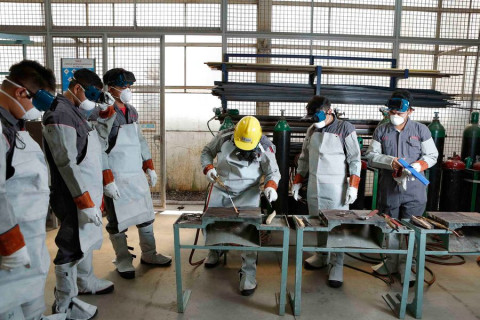
Exporting raw minerals can bring revenue, but much of the value may be created elsewhere when those materials are processed into metals, industrial components and finished products. Countries that develop local processing and manufacturing can create more skilled jobs, build industrial expertise and expand their tax base.
That shift requires more than mineral deposits. Reliable electricity, transport links, skilled workers and predictable rules are essential to attracting investment and supporting local industries. Governments also need transparent mining contracts, effective tax collection and stronger oversight of financial transactions to ensure that resource extraction delivers public benefits.
Foreign investment and development assistance can help finance this transition. The challenge is to ensure that they support long-term economic activity rather than leave countries dependent on exporting unprocessed commodities.
Africa’s mineral wealth offers a major opportunity, but resources alone do not guarantee prosperity. The measure of success will be whether countries can turn that wealth into better jobs, stronger public services and more opportunities for their people.