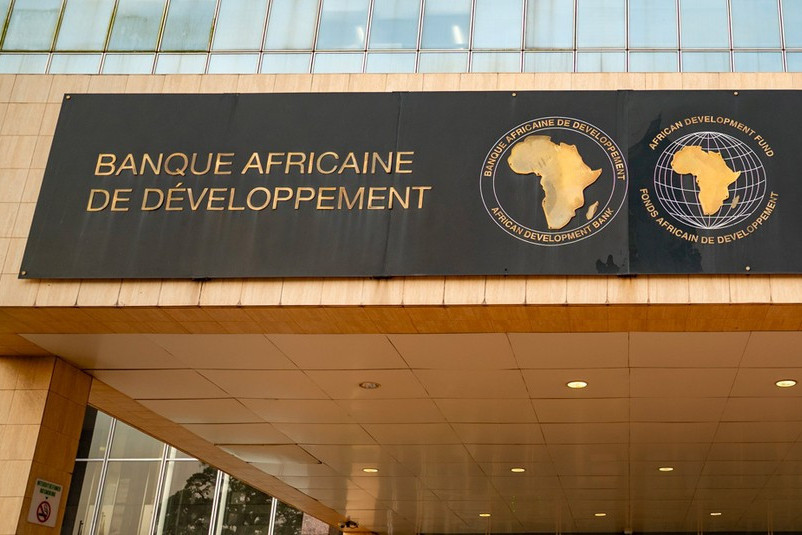
Nigeria and the African Development Bank (AfDB) have agreed to conduct a joint review of the bank’s $6.2 billion project portfolio in the country, aiming to remove implementation bottlenecks and accelerate the delivery of development projects.
The portfolio includes 55 public- and private-sector operations and is the AfDB’s largest country portfolio in Africa, according to Nairametrics.
The agreement was reached on October 12 in Bangkok between Nigeria’s Minister of Finance and Coordinating Minister of the Economy, Wale Edun’s successor in the reporting, Taiwo Oyedele, and AfDB President Sidi Ould Tah, on the sidelines of the 2026 Annual Meetings of the International Monetary Fund and the World Bank Group.
The review is expected to examine obstacles affecting ongoing AfDB-financed projects, identify delays, and align the bank’s operations with the Federal Government’s current economic priorities.
Nigeria’s finance ministry said the two sides would focus on practical measures to improve project performance, although neither the specific projects nor a completion timeline has been disclosed.
Oyedele said Nigeria remained committed to its role as the AfDB’s largest shareholder and to meeting its capital subscription obligations, and argued that the country’s long-standing partnership with the bank should produce greater development financing and more visible economic benefits for Nigerians.
The minister also backed the AfDB’s “Four Cardinal Points” agenda, which seeks to close Africa’s financing gap, strengthen financial sovereignty, harness the continent’s demographic dividend, and build resilient infrastructure through greater local processing of natural resources.
The AfDB is one of Nigeria’s major development partners, supporting projects in agriculture, power, transport and water supply. In April 2025, it approved a five-year Nigeria strategy envisaging $2.95 billion in AfDB financing over four years, alongside $3.21 billion expected from development partners.
The portfolio review builds on recent AfDB support for Nigeria, including a $500 million loan approved in November 2025 for the second phase of the Economic Governance and Energy Transition Support Program.