African countries are pushing for more climate adaptation finance as the gap between what the continent needs and receives remains wide. Governments warn that reliance on loans could deepen already heavy debt burdens.
On Oct. 5, the East African Community (EAC) called for more predictable, accessible, grant-based climate finance as its member states prepared a common position ahead of the UN climate conference COP31 in Antalya, Türkiye, next month. The bloc wants to triple adaptation finance by 2035 and improve direct access to international climate funds.
It also called for greater support for adaptation and loss and damage without increasing the debt burden on vulnerable countries. Its position was endorsed alongside the EAC Climate Change Strategy and Action Plan 2026–2036 at a regional meeting in Machakos, Kenya, held from Sept. 29 to Oct. 3.
The push comes as African countries face significant economic losses from climate-related shocks. The World Meteorological Organization (WMO) says African countries lose between 2% and 5% of GDP annually to climate extremes, while some governments divert up to 9% of their national budgets to disaster response.
A new report by Power Shift Africa estimates that the continent needs nearly $70 billion a year for climate adaptation, while annual adaptation finance flows amount to about $14 billion. It also points to a growing shift from grants toward commercial loans, raising concerns about the financial burden on countries already facing fiscal constraints.
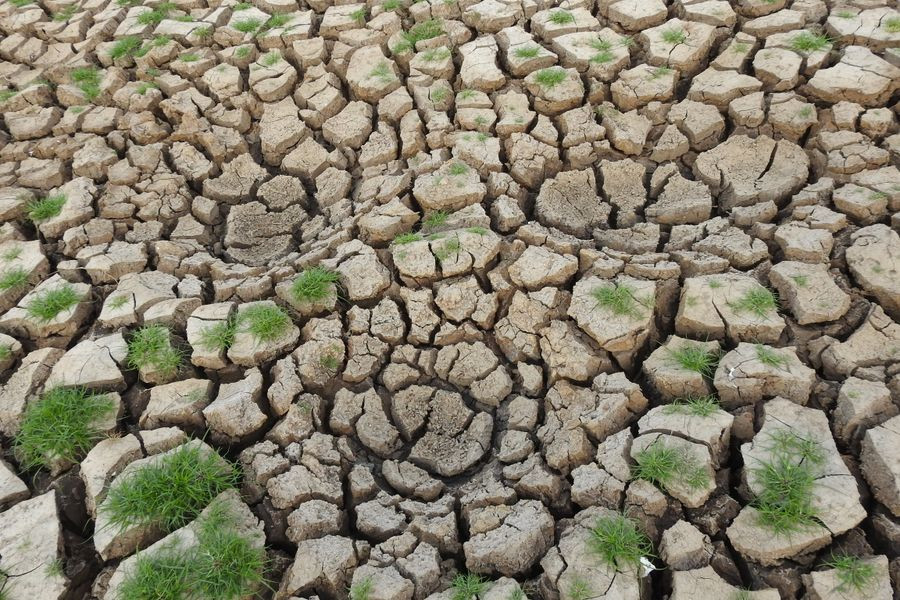
Those consequences extend beyond climate policy. Floods, droughts, extreme heat, and other climate-related shocks can disrupt agriculture, damage infrastructure, reduce household incomes, and increase pressure on public services. WMO reported that Africa accounted for 35% of weather-, climate-, and water-related fatalities worldwide between 1970 and 2021. Only about 40% of the continent’s population has access to early-warning systems, according to the organization.
The financing gap is also closely tied to how adaptation is designed. The report argues that adaptation should not be treated only as a technical effort to build resilience. It calls for greater participation by affected communities, recognition of Indigenous and local knowledge, and more African influence over decisions on adaptation priorities and funding.
The EAC is pursuing similar priorities at the regional level. It has called for stronger disaster-risk reduction, improved early-warning systems, and greater direct access to climate finance for national institutions. It also wants full capitalization of the Fund for Responding to Loss and Damage and greater support for the Santiago Network, which provides technical assistance to vulnerable countries.
Africa’s climate adaptation challenge is therefore becoming a question of development finance as much as environmental policy. Governments must invest in resilient infrastructure, agriculture, water systems, and public services while managing the fiscal pressures created by climate-related disasters.
Ahead of COP31, African countries are pressing for financing that can support that investment without adding to the debt burdens they already carry.