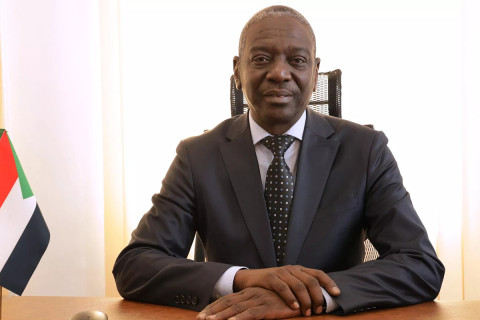
Somalia expelled the United Arab Emirates (UAE) ambassador on November 19, giving him 72 hours to leave the country and recalling its own envoy from Abu Dhabi.
Somalia's Information Minister, Abdulfatah Qasim Mohamud, announced the decisions in a press conference after a cabinet meeting, saying they were made by the Council of Ministers in response to what the government described as “blatant interference by the UAE” in Somalia’s sovereignty, independence, and security, according to FTL Somalia.
“The UAE ambassador has been given 72 hours to leave Somalia, while Somalia’s ambassador to Abu Dhabi has been summoned back for consultations,” Qasim said.
The government did not specify which diplomatic convention or statute it was invoking to expel Ambassador Ahmed Juma Al Rumaithi, nor did it announce whether other Emirati diplomatic staff would be required to leave.
Earlier, in a televised national address on November 17, Somali President Hassan Sheikh Mohamud accused the UAE of “blatant” interference in Somalia’s internal affairs.
He also alleged that the UAE had funded political divisions and backed armed groups and political actors opposed to his government, and claimed that the UAE helped facilitate Israel’s recognition of Somaliland in December 2025 and used Berbera in January to move a Yemeni separatist leader out of Yemen without Somalia’s consent.
Somalia’s Cabinet annulled all agreements with the UAE on January 12, including defense and security cooperation and arrangements involving the three strategic ports. The government said the move followed evidence of actions it believed undermined Somalia’s sovereignty, unity and political independence.
The dispute has deepened because Somaliland, Puntland and Jubaland rejected Mogadishu’s decision, highlighting the federal government’s limited authority over some regional administrations.