Algeria is expanding its energy footprint across Africa with new cooperation agreements in Côte d’Ivoire and the Republic of Congo, following projects already under way in Sahel countries including Niger and Chad.
Algeria’s state-owned utility Sonelgaz has signed contracts in Abidjan to build six power plants: one 40-megawatt facility and five mobile units, each rated at 20 megawatts, for a combined 140 megawatts, RFI reported on November 22.
The projects include rehabilitating parts of Abidjan’s electricity network, supplying Algerian-made equipment, launching a technical skills-transfer program, grid modernization, and oil-and-gas cooperation.
The agreements build on a government-level framework signed on June 30, by Algerian Energy Minister Mourad Adjal and Ivorian Mines, Petroleum and Energy Minister Mamadou Sangafowa Coulibaly. That accord established a framework for cooperation in energy and renewables, including investment and projects involving energy operators from both countries.
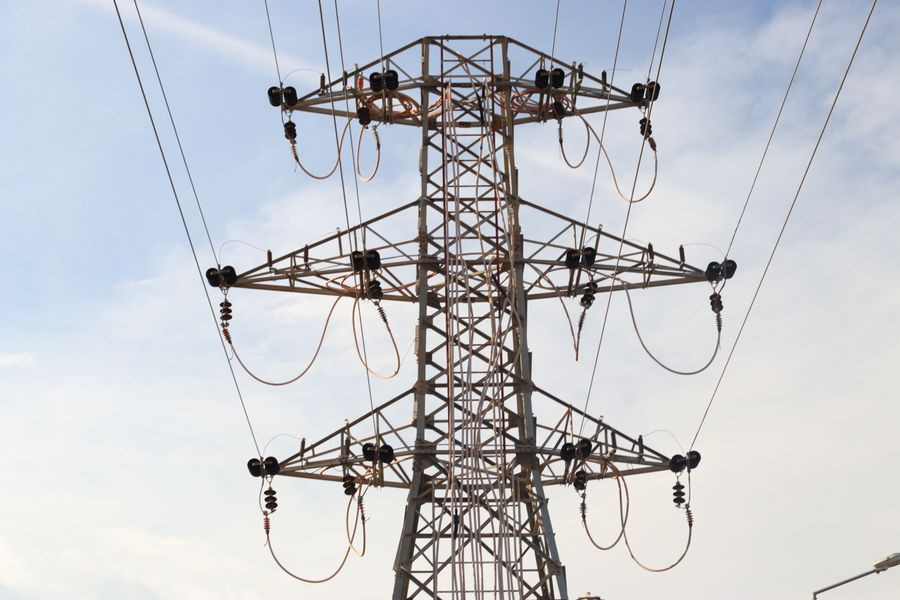
Côte d’Ivoire’s energy ministry says the partnership is intended to reinforce national electricity capacity, modernize transmission and distribution networks, and supply critical equipment. It specifically cites mobile generation capacity of 100 megawatts and planned 225 kV and 400 kV transmission lines.
In the Republic of Congo, Algeria’s state energy company Sonatrach is expected to help train Congolese petroleum engineers and technicians. The two governments are also discussing cooperation in developing oil and gas fields and refining, following talks between Algerian Energy Minister Mohamed Arkab and Congolese counterpart Stev Simplice Onanga.
Algeria is already developing several initiatives in Niger and Chad, and the new partnerships extend that approach into West and Central Africa. For Côte d’Ivoire, the immediate priority is additional generation and stronger networks; for Algeria, the deals provide a route for Sonelgaz and Sonatrach to expand abroad while promoting Algerian equipment and expertise.
The Ivorian contracts cover plant construction, network rehabilitation and training, while Congo’s cooperation remains focused on capacity building and potential upstream and refining projects.