Angola’s involvement in Sierra Leone’s Baomahun gold project reflects a broader trend in Africa’s mining sector: the growing participation of the continent’s own sovereign funds and financial institutions in developing major natural resource assets. For Angola, the partnership expands the international investment portfolio of its sovereign wealth fund. For Sierra Leone, it adds African institutional backing to a project expected to become the country’s first large-scale commercial gold mine.
The Angola Sovereign Wealth Fund (FSDEA) and FG Gold Limited formalized their partnership in Freetown on November 18, on the sidelines of the West Africa Investment and Integration Summit 2026. Under the agreement, FSDEA retains its position as the project’s first institutional shareholder and third-largest shareholder overall. Its involvement dates back to October 2024, when FG Gold announced a $20 million equity investment by the fund, according to the Angolan Ministry of Mineral Resources, Petroleum and Gas.
The distinction is important: the latest agreement formalizes an existing investment relationship rather than announcing additional funding. Baomahun has estimated mineral resources of 5.81 million ounces of gold and mineral reserves of 2.05 million ounces under the JORC standard. Its financing structure also highlights the role of African institutions. A $330 million senior debt facility arranged with the Africa Finance Corporation (AFC) and Afreximbank reached financial close in December 2025, complementing AFC’s earlier $100 million in streaming and mezzanine commitments. The AFC emphasised that the financing supports the project’s development through to production.
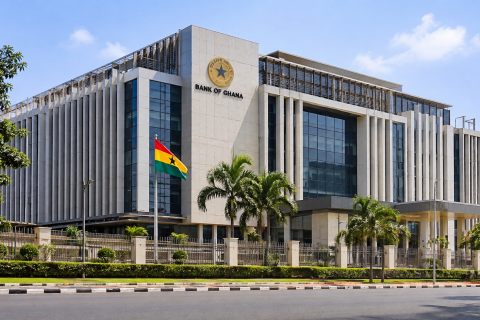
For Sierra Leone, the potential benefits extend beyond gold exports. As of September 2026, construction of the mine’s power plant, processing facility and tailings storage facility was reported to be at an advanced stage. First gold production is targeted for late 2026. FG Gold has also signed a memorandum of understanding with the Bank of Sierra Leone to establish a framework for future gold purchases in local currency once production begins.
The project illustrates how African capital can support cross-border investment while connecting mining development with infrastructure, financial services and local economic activity. For Angola, participation also offers experience that could inform future investments in its own mining sector as the country seeks to diversify beyond oil and gas.
Baomahun’s long-term significance will depend on successful construction, responsible operations and tangible benefits for local communities. Its financing structure, however, already demonstrates how African investors and development institutions can work together to develop the continent’s resources and retain a greater role in the value generated.