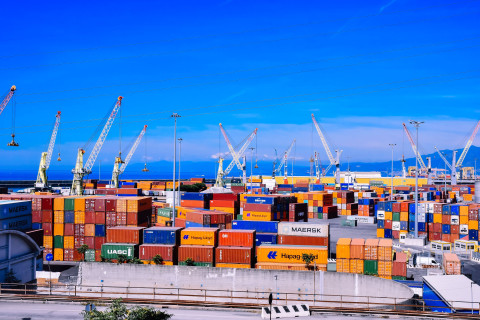
Cameroon’s plan to build a major gas-fired power plant at the Port of Douala could mark an important step in linking energy infrastructure with the country’s ambitions for industrial growth. Beyond improving power supply at the country’s busiest seaport, the project offers an opportunity to strengthen the economic role of Douala and support the wider Central African trade network.
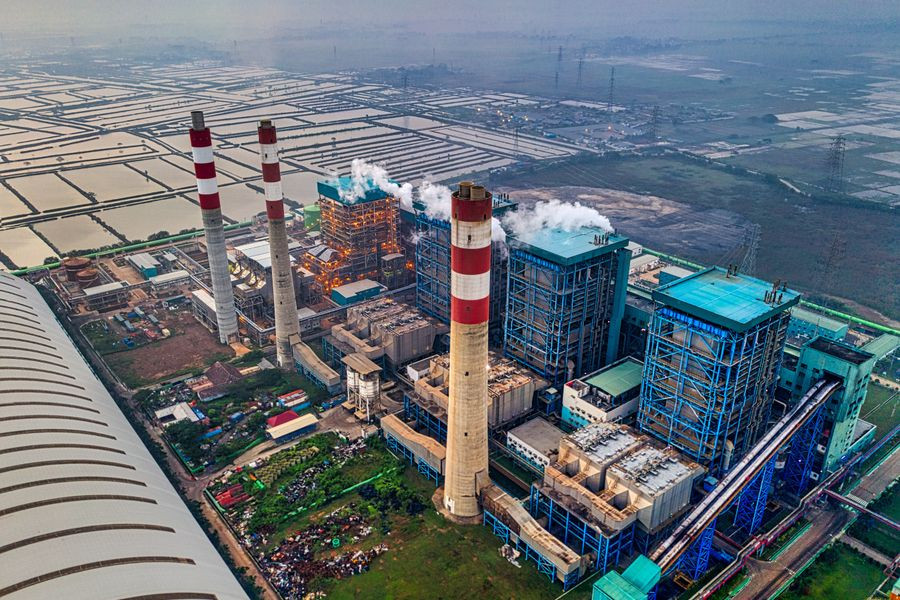
On November 16, Douala Port Power Corporation (DPPC SA) and China National Machinery Import and Export Corporation (CMC) signed an engineering, procurement and construction contract worth €862 million, or approximately $1 billion. The project includes a 300-megawatt combined-cycle gas power plant, a pipeline of around 200 kilometers connecting Kribi, Edéa and Douala, and upgrades to the port’s electricity distribution infrastructure, the Ministry of Water and Energy said. Construction is expected to take 36 months.
The project comes as Cameroon seeks to translate its growing electricity generation capacity into more reliable supply for businesses and households. The 420 MW Nachtigal hydropower plant has significantly expanded the country’s generating base, while the International Monetary Fund has identified transmission and distribution improvements as essential to making better use of available power.
For Douala, a more stable electricity supply could have benefits extending well beyond port operations. Reliable power is important for cargo handling, storage facilities, industrial production and logistics services. It can also make the city more attractive for investment in manufacturing and other activities that depend on predictable operating conditions.
The planned gas pipeline could bring an additional strategic dimension. By connecting the coastal gas infrastructure around Kribi with Douala, it may create opportunities for other industrial consumers and future energy projects along the route. The possibility of supplying surplus electricity to the national grid could also extend the project's benefits beyond the port.
The initiative therefore represents an opportunity to combine private investment, international engineering expertise and domestic infrastructure priorities. Its wider economic contribution will depend on completing the financing arrangements, securing a reliable gas supply and ensuring that the electricity reaches consumers at competitive rates.
If these conditions are met, the project could become more than a dedicated power source for a major seaport. It could help strengthen Douala’s position as a regional commercial and industrial centre while supporting Cameroon’s longer-term ambition to turn energy infrastructure into a driver of economic development.