The Economic Community of West African States (ECOWAS) and the World Bank have stepped up coordination on a $160 million electricity access project covering Togo and The Gambia, as the program moves into its implementation phase.
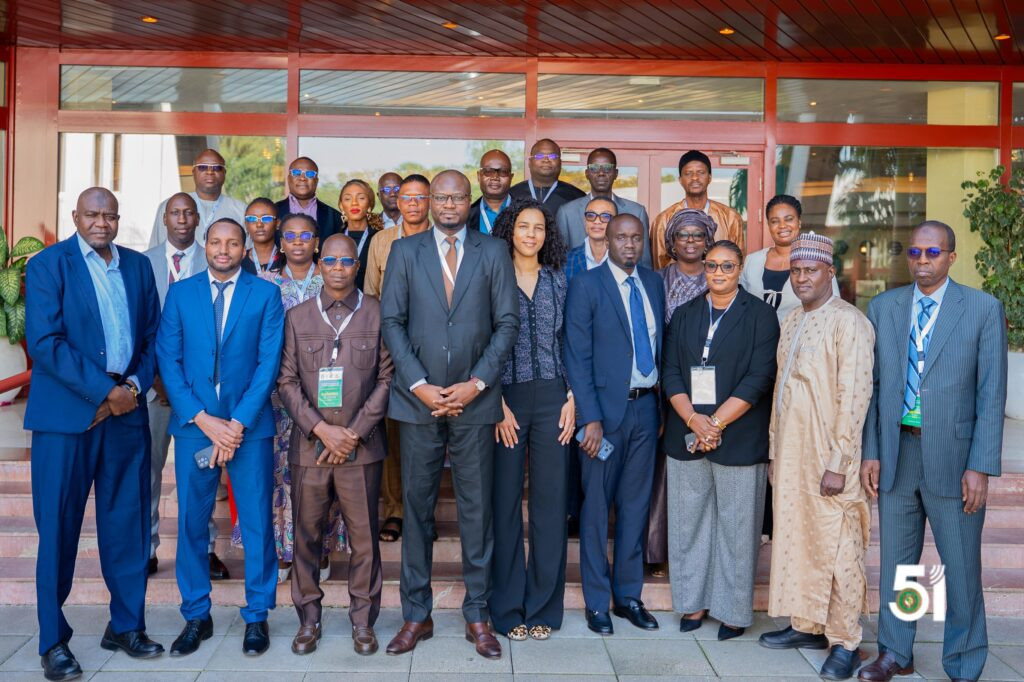
A five-day implementation support mission took place in Abuja from November 16 to 20, bringing together the institutions responsible for the Regional Access Increase and Sustainable Energy (RAISE) Project, according to an ECOWAS statement published on November 17.
The project aims to extend electricity access to 1,800 localities, provide 202,000 household connections and facilitate the development of 242 megawatts of renewable energy generation capacity. The initiative is expected to benefit underserved communities in both countries, although the regional targets have not yet been broken down by country.
The World Bank approved $160 million in financing for the project in June 2026. The program is designed to expand and upgrade distribution networks, reduce connection costs and support renewable energy development, with the broader objective of connecting approximately one million people.
The November mission reviewed preparations for the 2027 Annual Work Plan and Budget, environmental and social safeguards, regional procurement, financial management and national procurement procedures in Togo and The Gambia.
The project became effective on October 29, 2026. ECOWAS said implementation arrangements were being strengthened, while the mission provided an opportunity to address operational challenges and improve coordination among participating institutions.
Preparations for technical supervision have also included a procurement notice published by The Gambia’s National Water and Electricity Company (NAWEC), seeking engineering consultancy services for supervision of the electrification works. The notice set September 30, 2026, as the deadline for expressions of interest.
The start dates for individual construction works, the allocation of connections between the two countries and the location of the first project sites have not yet been specified in the published regional update.
The project is part of wider efforts to expand electricity access and strengthen regional energy integration across West Africa.