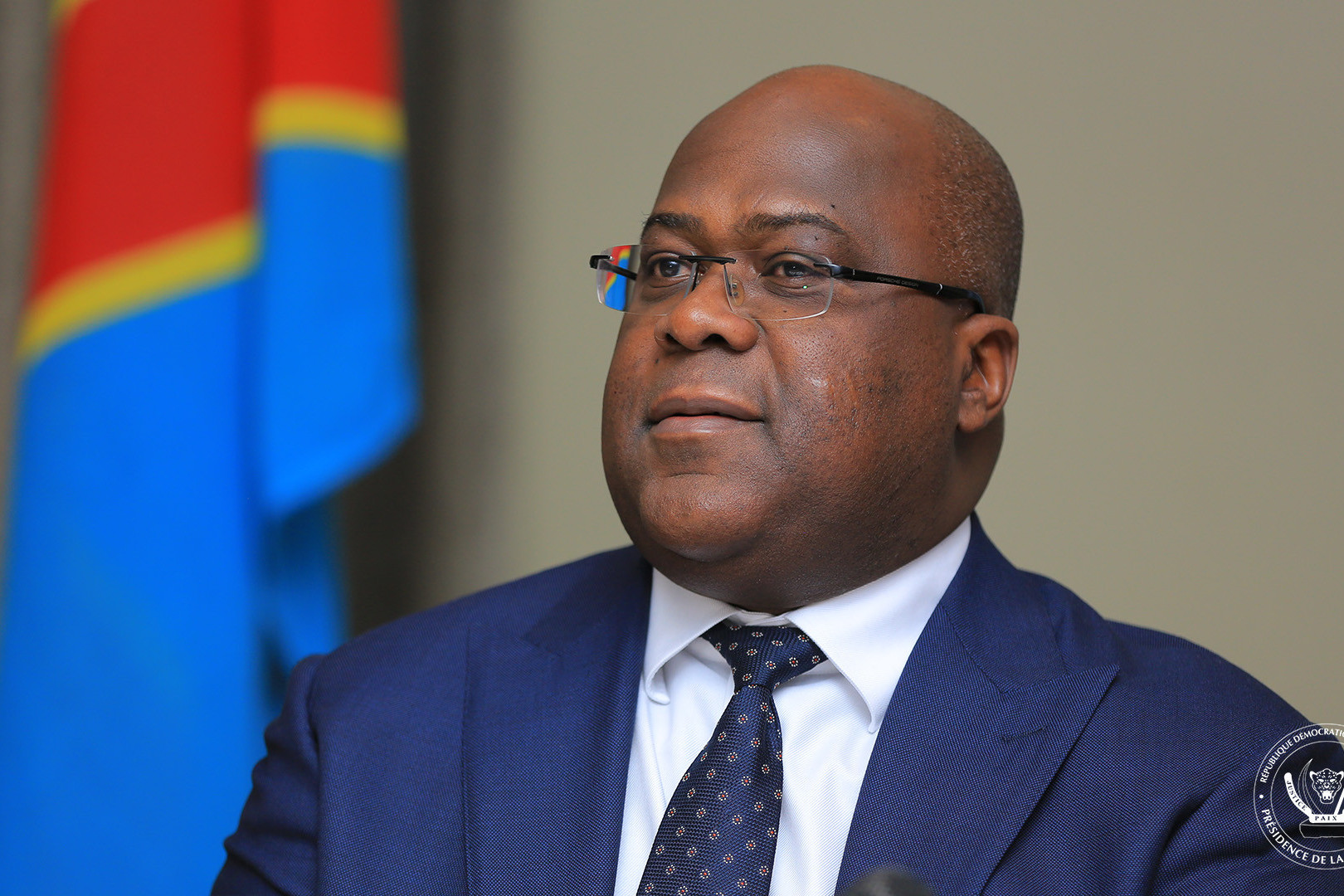
President Félix Tshisekedi has promulgated a new law establishing the framework for organizing referendums in the Democratic Republic of Congo (DR Congo). Signed on November 9, Law No. 26/045 expands the scope of referendums to include proposals for a new Constitution in cases described as a matter of “absolute necessity.”
The legislation sets out procedures for initiating and organizing referendums, conducting campaigns, holding votes and challenging results. It also allows a referendum to be initiated by the president, the government, parliament or a petition signed by at least 100,000 citizens, according to Radio Okapi.
The new law was adopted by both chambers of parliament before being promulgated by the president. It replaces the previous referendum framework dating from June 2005 and entered into force upon promulgation.
The legislation has sparked political controversy because of its potential implications for the country's presidential term limits. Article 220 of the current Constitution prohibits revisions affecting the number and duration of presidential terms, among other fundamental provisions.
Tshisekedi, who took office in January 2019, is serving his second term, which is due to end in 2028. Opposition figures fear that the new framework could provide a route to a third term through the adoption of an entirely new Constitution. Tshisekedi has denied seeking another term, although he said in May that he would accept one if the Congolese people wanted it.
Supporters of the legislation present referendums as a means of strengthening direct public participation in decisions of national importance. However, whether a new Constitution adopted through this process could lawfully remove the existing presidential term-limit protections remains disputed.
No referendum date or specific constitutional question has been announced. The new law establishes a legal framework for such a vote, but the current constitutional provisions remain in force.