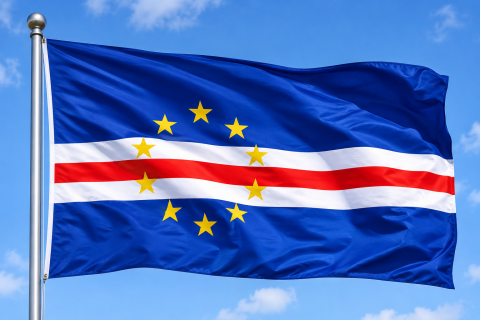
José Maria Neves has been re-elected president of Cabo Verde after securing 63.9% of the vote in Sunday's presidential election. Preliminary results show that the incumbent received 80,875 votes, securing a second consecutive five-year term without the need for a runoff.
The results published by the National Electoral Commission (CNE) showed former Justice Minister Joana Rosa finishing second with 31.5%, or 39,950 votes. The remaining four candidates each received less than 1.5% of the vote, according to Inforpress news agency.
Rosa, backed by the opposition Movement for Democracy (MpD), became the first woman to run for president in Cabo Verde since the country gained independence in 1975. She conceded defeat and said she had already congratulated Neves.
The election was also marked by record-low voter participation. Preliminary figures showed an abstention rate of 68.1%, the highest recorded in a presidential election in the country. With 98% of polling stations counted, 26 stations remained to be tallied, all located abroad.
Neves acknowledged the low turnout and called for an in-depth study to identify its causes and find ways to encourage greater participation. He pointed to outdated electoral registers, including entries for thousands of deceased citizens, as well as the movement of young people between islands for education and the fact that many registered voters now live abroad without updating their electoral registration.
As possible measures to facilitate voting, Neves suggested introducing electronic voting and allowing citizens to cast ballots anywhere in the country, regardless of their registered electoral district.
Neves, who first became president in 2021 after winning 51.75% of the vote, was backed by the African Party for the Independence of Cabo Verde (PAICV). His campaign focused on national unity and addressing challenges including youth employment, education and emigration.
The re-election comes as Cabo Verde continues to face concerns over the departure of young people in search of opportunities abroad and questions about public participation in the political process.
The final results are still to be proclaimed by the National Electoral Commission.