Democratic Republic of Congo’s debate over constitutional reform has moved from political statements to street protests, adding a new source of tension to an already unsettled political environment.
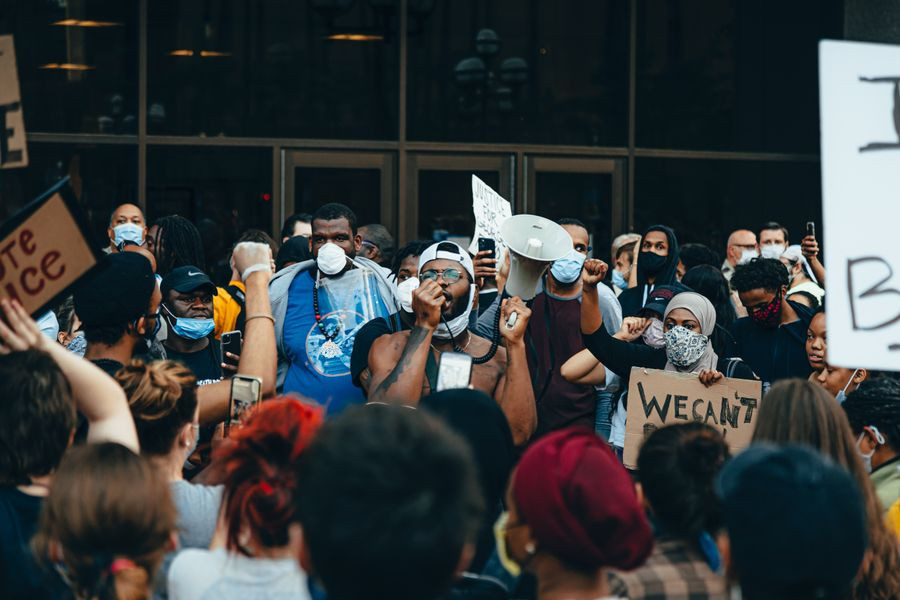
On September 15, opposition supporters took to the streets in Kinshasa and several other cities to protest proposed changes to the constitution. Police used tear gas and fired warning shots to disperse demonstrators. In Kinshasa, clashes also broke out between opposition supporters and pro-government activists.
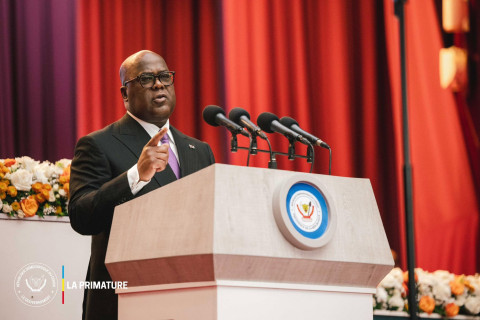
The dispute centers on changes that critics say could allow President Félix Tshisekedi to seek a third term. Under the current constitutional framework, the president is limited to two five-year terms. Tshisekedi has not formally announced a third-term candidacy, but he said in May that he would accept another mandate if Congolese voters wanted one.
The constitutional debate gained momentum in July when the Constitutional Court approved legislation governing a referendum. Opposition groups, including the C64 coalition, rejected the move and argued that it could weaken existing constitutional safeguards. The government has presented constitutional reform as part of a broader effort to address the country’s institutional challenges.
The timing matters. Kinshasa is also trying to advance a national dialogue intended to address political tensions and broader questions surrounding the country’s future. Yet opposition groups rejected Tshisekedi’s offer in August, arguing that the proposed process could serve the president’s political interests rather than produce a genuinely inclusive settlement.
That leaves Kinshasa facing two competing political dynamics. The government is seeking a dialogue that it says can strengthen national cohesion, while opposition forces are challenging a constitutional process they see as potentially changing the rules of political competition.
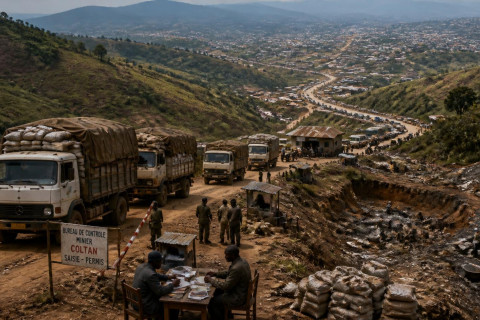
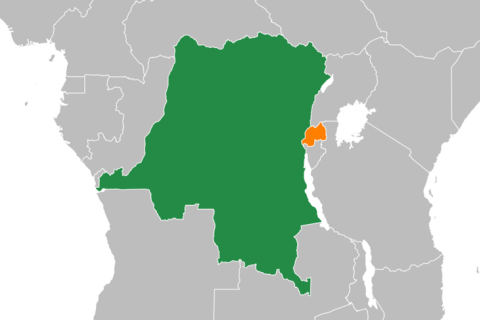
The latest protests show how quickly the dispute can move beyond parliament and political negotiations. The confrontation also comes as the government is dealing with the security crisis in eastern DRC, where the conflict with M23 remains unresolved, placing additional pressure on state institutions and the political leadership.
For Tshisekedi, the challenge is therefore broader than securing support for constitutional changes. Any reform touching presidential term limits is likely to shape relations between the government and opposition, influence the credibility of the proposed national dialogue, and affect the political environment ahead of the next electoral cycle.
With protests now returning to the streets, the constitutional debate is becoming a central test of how Kinshasa manages political competition at a time when the country is already facing major security and institutional pressures.