Rwanda and Belgium have restored diplomatic relations after an 18-month rupture over the conflict in the eastern Democratic Republic of the Congo (DRC). The move reopens formal channels between Kigali and Brussels, though their disagreement over the conflict remains unresolved.
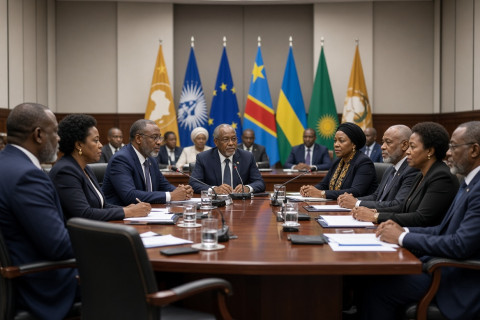
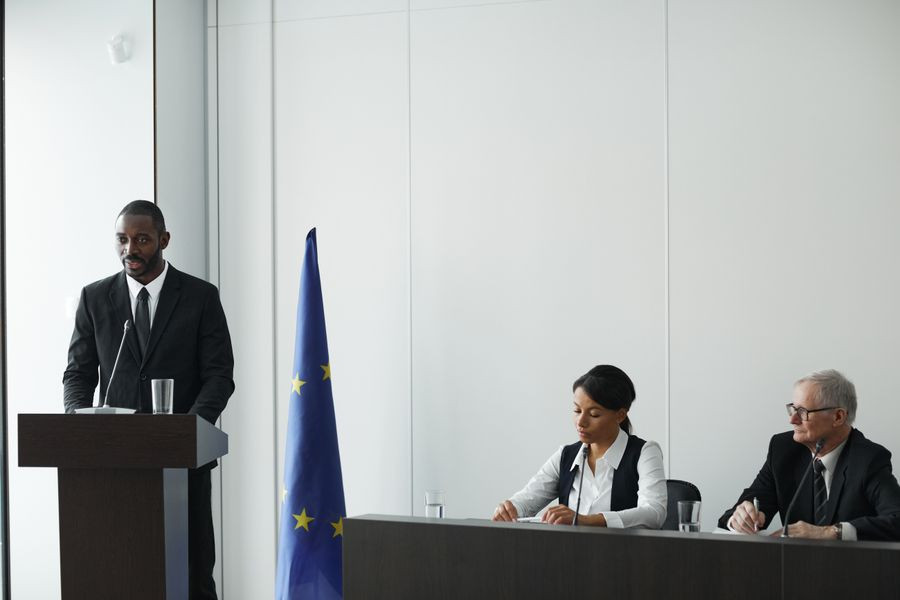
The two countries announced the decision on Sept. 22, 2026, after talks between Rwandan Foreign Minister Olivier Nduhungirehe and Belgian Deputy Prime Minister and Foreign Minister Maxime Prévot in New York on the sidelines of the U.N. General Assembly. Both sides agreed to reopen their embassies, initially headed by chargés d’affaires and staffed by small diplomatic and technical teams. Ambassadorial appointments will follow later.
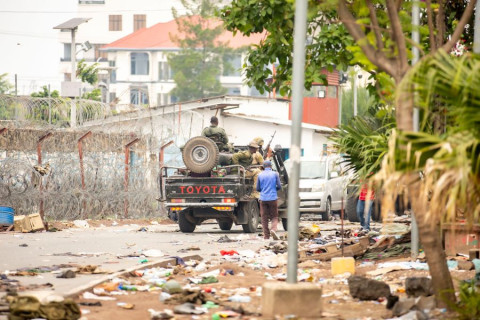
The rupture began in March 2025, when Rwanda severed ties with Belgium over Brussels’ position on the fighting in eastern DRC. Belgium had backed international pressure on Rwanda over allegations that it supported the M23 rebel movement, which seized major cities in eastern DRC. Kigali denied backing the group and accused Belgium of taking sides in the conflict.
Dialogue Without a Settlement
Restoring diplomatic ties does not resolve the underlying dispute. Prévot said Belgium would continue to defend the DRC’s territorial integrity and sovereignty while maintaining dialogue with Rwanda.
Belgium also reiterated its call for all parties to honor commitments made under the Washington and Doha peace processes. Those initiatives address different aspects of the conflict involving the DRC and Rwanda and include efforts to reduce fighting in eastern DRC.
In their joint statement, the two governments pledged to pursue open and transparent dialogue based on mutual respect, non-interference, and constructive engagement. The commitments provide a framework for rebuilding bilateral relations without requiring either side to abandon its position on the conflict.
Qatar’s Role in the Reset
Qatar helped facilitate the first meeting between the two foreign ministers in Doha in June 2025, according to the joint statement. Further meetings and informal contacts over the following months helped the two sides work through what they described as differences and misunderstandings.
Doha welcomed the agreement, saying its mediation had helped open the way for direct dialogue. The African Union also welcomed the decision, emphasizing the importance of sustained diplomatic engagement in resolving disputes between states.
The reopening of embassies gives Kigali and Brussels a formal channel to manage their differences as the conflict in eastern DRC continues to shape regional diplomacy. Whether the reset leads to closer cooperation will depend in part on their ability to maintain bilateral engagement despite their opposing positions on the crisis.