A rebel coalition led by former Democratic Republic of the Congo (DRC) President Joseph Kabila has warned that proposed constitutional changes could cause the collapse of peace negotiations with the government, adding a new obstacle to efforts to end the conflict in eastern DRC.
The warning came on November 3, following a meeting between Kabila-led Front for the Refoundation of the Nation (FRN) and a United Nations delegation headed by James Swan, head of the UN Organization Stabilization Mission in the Democratic Republic of the Congo (MONUSCO), in Goma. FRN Vice President Bertrand Bisimwa said the coalition had raised concerns that changing the Constitution could undermine the agreements reached in Qatar.
"All the commitments agreed on in the framework of the Doha process are based on the current Constitution. This means that if this Constitution is ever changed, the whole Doha peace process will simply collapse," Bisimwa told reporters after the meeting.
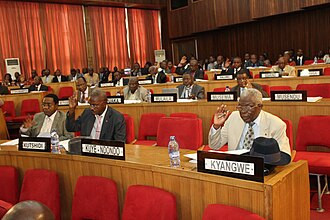
The warning followed the Senate's approval of a bill governing the organization of referendums on October 31. The proposal passed its second reading with 78 votes in favor and none against, and was sent to President Félix Tshisekedi for promulgation. Critics fear the legislation could provide a legal pathway for constitutional changes that would allow Tshisekedi to seek a third term, although the government rejects the suggestion that the initiative is intended to extend his presidency.
The FRN urged the United Nations to engage Tshisekedi and highlight the potential consequences of constitutional changes for the peace negotiations. The coalition argues that the agreements reached in Doha are grounded in the country's existing Constitution.
The warning also underscores the changing leadership of the armed opposition in eastern DRC. Formally launched in Goma on October 12, the FRN is a political-military coalition led by Kabila that brings together groups formerly united under the Congo River Alliance (AFC), including the March 23 Movement (M23). Its leadership includes former AFC coordinator Corneille Nangaa and M23 political leader Bertrand Bisimwa, alongside military commander Sultani Makenga.
Kabila's leadership marks a significant shift in the conflict's political dynamics. Congolese authorities had previously accused the former president of supporting AFC/M23, allegations he denied. By heading the new coalition, Kabila has taken a more direct role in an insurgency that has captured Goma and other territories in eastern DRC.
Kinshasa has maintained that the emergence of the new coalition will not change its position in the Doha negotiations. On October 19, government spokesman Patrick Muyaya said the country's approach remained unchanged despite Kabila's involvement, declaring: "Before Kabila, after Kabila at Doha." The government has also rejected accusations that its constitutional initiative is aimed at securing a third presidential term.
The Doha peace process began in April 2025 under Qatari mediation. The government and AFC/M23 signed a Declaration of Principles on July 19, 2025, followed by a Framework Agreement for a Comprehensive Peace Agreement on November 15, 2025. The FRN says it has inherited the commitments made by its predecessor.
With fighting continuing in eastern DRC, the dispute over constitutional changes adds another challenge to the implementation of the Doha agreements and efforts to secure a lasting settlement.