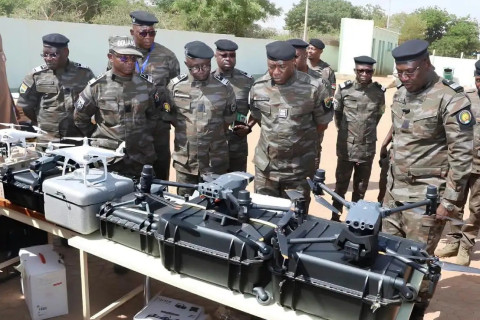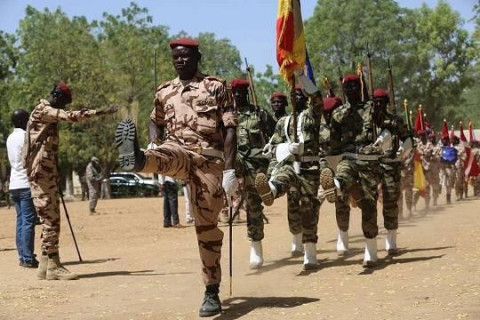
The Central African Republic (CAR) has adopted a five-year plan to modernize its armed forces, committing an estimated about $1.11 billion for 2026–2030.
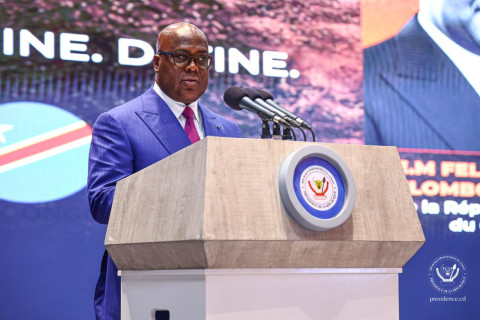
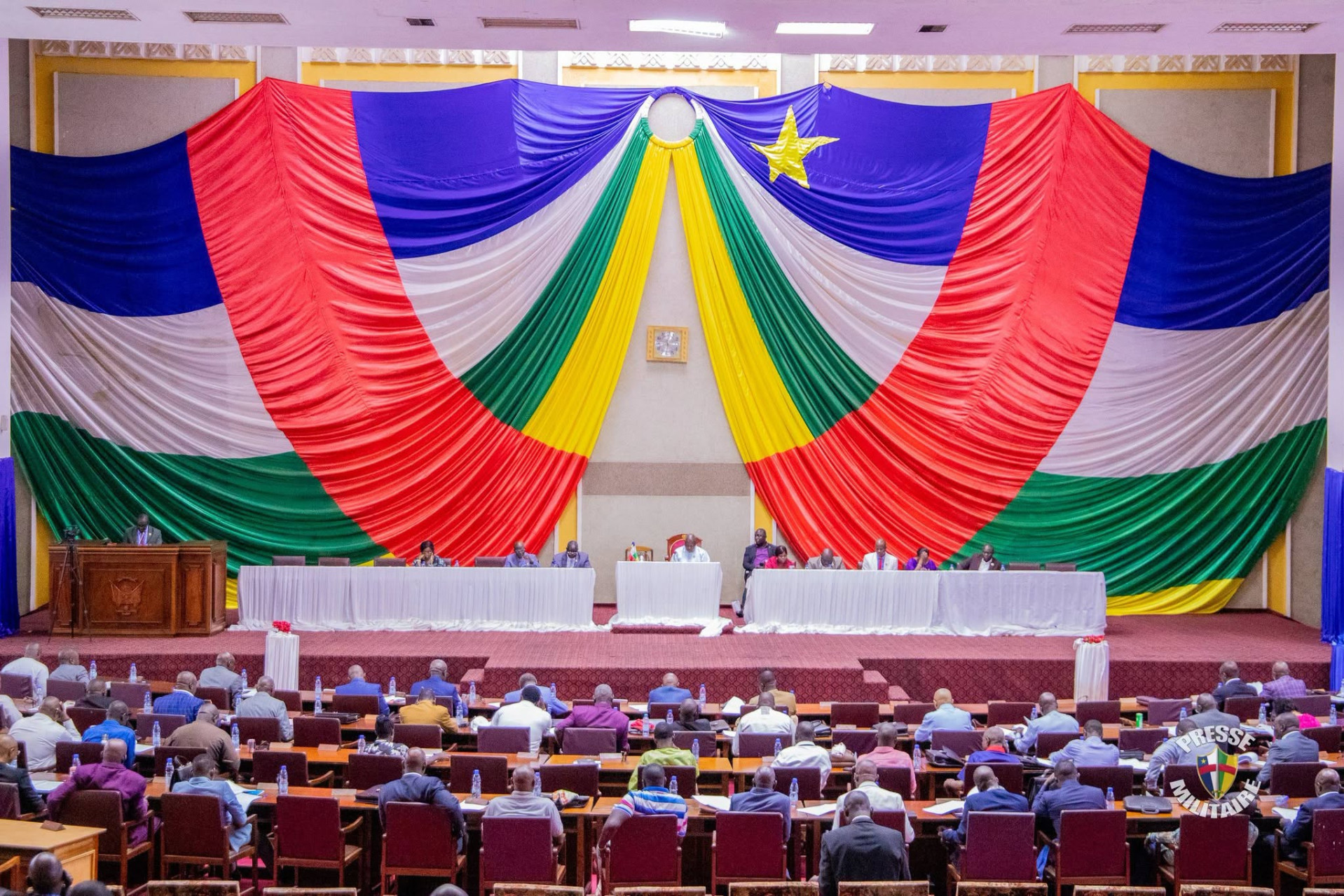
The law was passed by the National Assembly on November 23, according to the CAR’s defense ministry’s Facebook page.
The military programming law sets out the government’s priorities for the Central African Armed Forces (FACA), including stronger human, material and operational capacity. It is intended to help the army defend the country’s territory and protect civilians more effectively.
Officials said the program would continue the professionalization of the military and improve its ability to respond to persistent security threats. The stated goal is an army that is “better trained, better equipped and more effectively prepared” to operate across the entire national territory.
The plan’s success will depend on whether the government can mobilize the budgeted resources and use them rigorously over the five years.
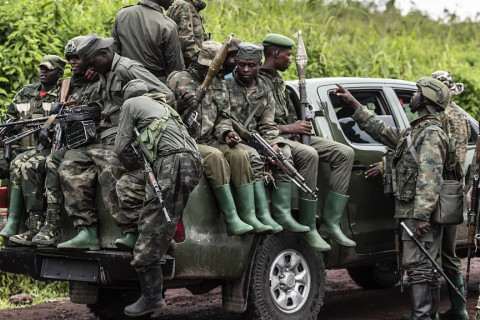
The investment comes as the CAR’s security situation remains fragile, particularly in border regions. The United Nations says armed-group activity, cross-border insecurity, criminality and tensions between herders and farmers continue to affect parts of the north-west and east.
UN officials have warned that the north-east remains of particular concern, with violence near the Sudanese border displacing more than 17,000 civilians after an attack on Am-Dafock in June. The Security Council has also highlighted continued threats from armed groups in Haut-Mbomou and Mbomou prefectures, alongside spillover from Sudan’s conflict.
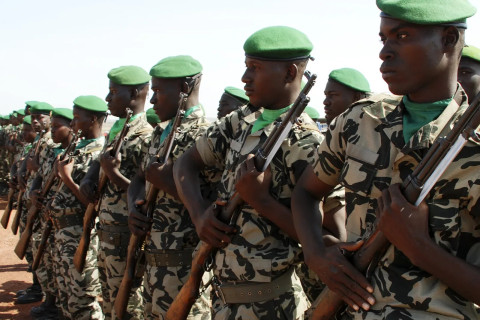
The FACA has long faced personnel shortages, ageing equipment and logistical constraints. MINUSCA’s mandate includes providing planning, technical assistance and logistical support for the redeployment of vetted FACA units engaged in joint operations, while also advising Bangui on security-sector reform alongside partners including Rwanda, Russia, France, the United States and China.