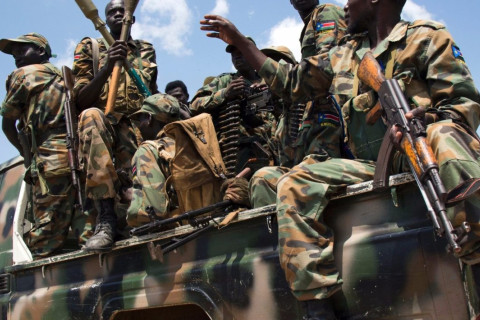
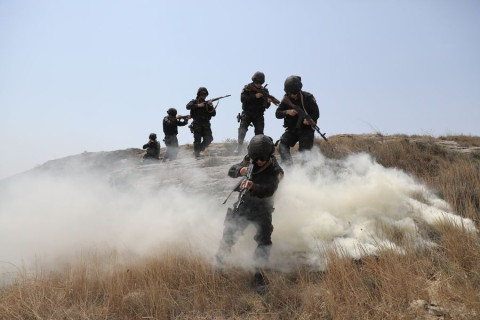
The Democratic Republic of Congo (DRC) and the Central African Republic (CAR) have signed an intelligence-focused military cooperation agreement aimed at securing their porous 1,600‑km frontier against armed groups and cross‑border incursions.
Signed in Kinshasa on August 21 by defense ministers Guy Kabombo Muadiamvita (DRC) and Claude‑Rameux Bireau (CAR), the pact establishes real‑time information sharing on movements across the border and joint strategies to protect vulnerable zones, notably in DRC’s Nord‑Ubangi and Bas‑Uele provinces. Under the agreement, the two countries will set up mechanisms for the rapid exchange of strategic and operational data on cross‑border traffic, enabling quicker responses to threats.
The deal also outlines coordinated security operations targeting ex‑Seleka militia elements and other armed actors that have used the frontier region as a transit or rear area, as well as efforts to curb pastoral conflicts linked to seasonal migration, including incidents involving Mbororo herders.
Implementation will rely on designated focal points, an operational calendar and regular follow‑up, building on a broader military cooperation accord signed in October 2024 and recommendations from a May 2026 meeting in Bangui.
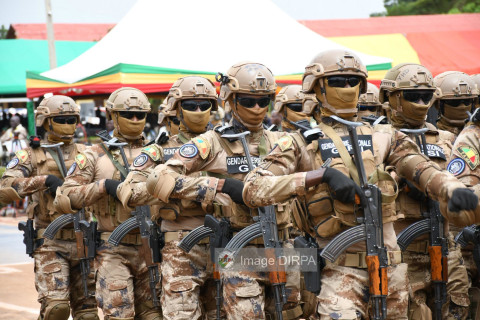
At the signing ceremony, Bireau stressed that Bangui would not allow CAR territory to be used as a launchpad for attacks against the DRC, seeking to allay long‑standing Kinshasa concerns about cross‑border sanctuaries. Both ministers described the new memorandums—covering military training and intelligence—as a consolidation of defense ties intended to neutralize rebel movements and stabilize border communities.
The move comes as the DRC pursues parallel security diplomacy, including a separate defense MoU with Pakistan announced this week, while peace talks with M23 rebels advance in Doha.
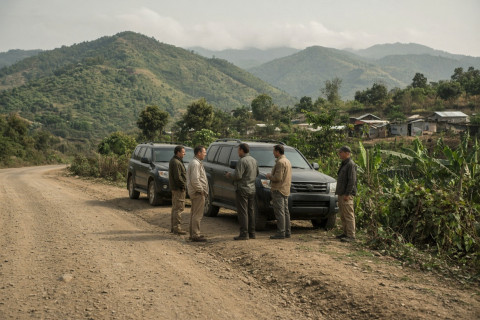
The DRC–CAR border traverses remote forest and savanna, with limited state presence and frequent movement of fighters, weapons and livestock. By focusing on intelligence and joint planning, Kinshasa and Bangui aim to disrupt logistics networks used by armed groups and reduce flashpoints around transhumance routes that often escalate into violence.