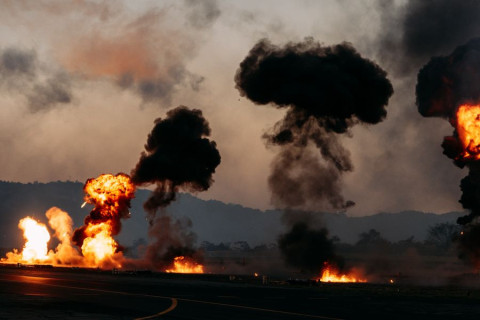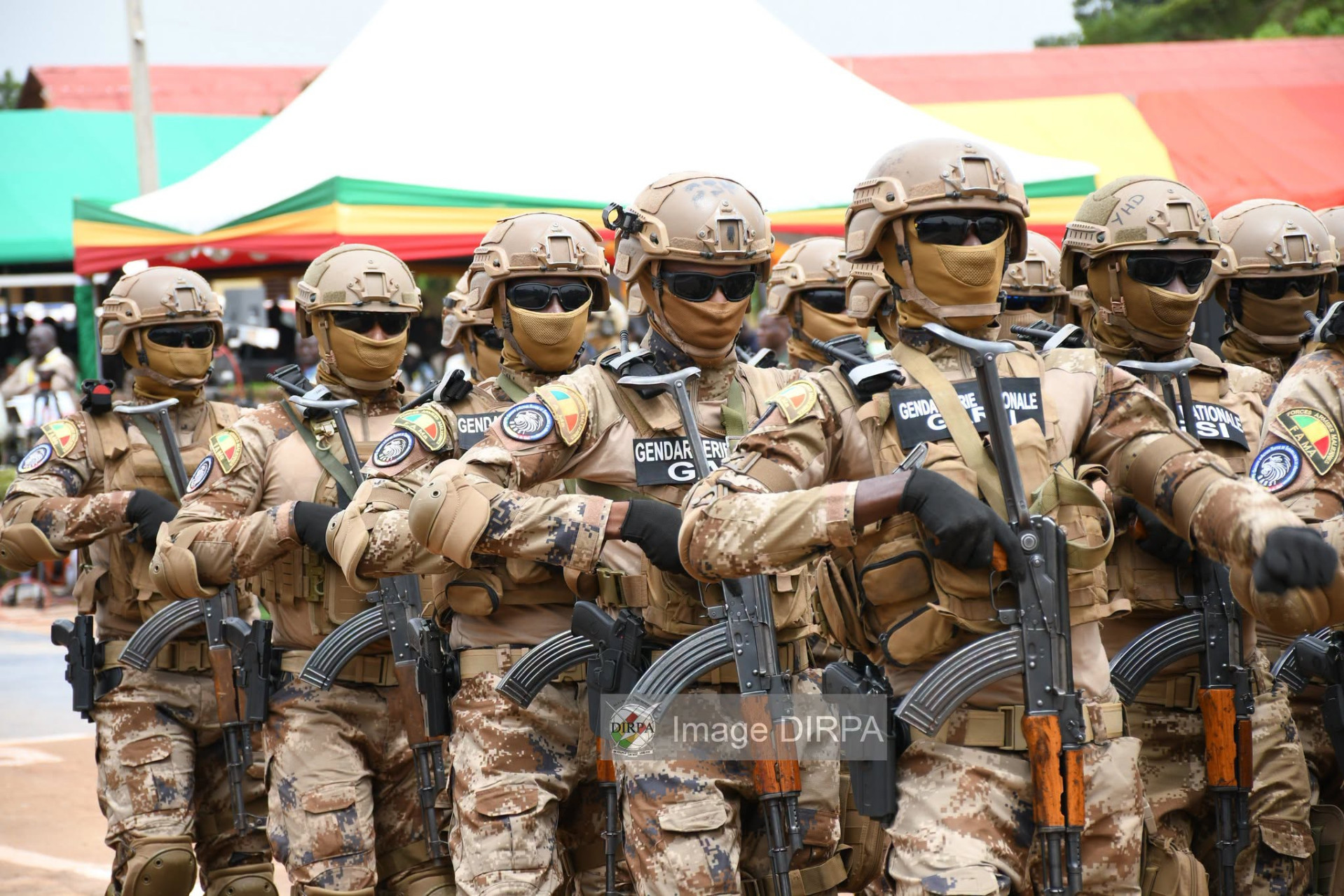
Mali’s Tuareg-led separatists announced a “strategic and controlled withdrawal” from the northern city of Kidal on October 6, as the Malian army and Russia’s Africa Corps launched large-scale air and ground operations in the region.
The move marks a major reversal for the Azawad Liberation Front (FLA), which had captured Kidal in April alongside al-Qaeda-linked fighters, according to Al Jazeera.
The FLA said its decision followed an assessment of the military situation and aimed to protect civilians and preserve its fighters and logistics. It accused Malian forces and Russia’s Africa Corps of using air power “disproportionately,” although the group said its withdrawal had taken place without direct combat.
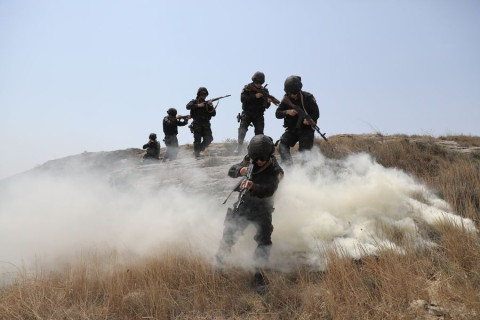
Mali’s armed forces, known as FAMa, said they had begun “large-scale” air and ground operations to pursue armed groups, destroy their sanctuaries and supply networks, and restore security and freedom of movement in Kidal Region. The army said it was working alongside Russian partners, and later confirmed that its troops had entered the city.
A Malian reinforcement convoy began advancing from Anéfis towards Kidal on the morning of October 6, and several strikes had occurred in preceding days, but no direct clashes with the FLA had been recorded at that stage.
Kidal, long associated with Tuareg separatism, was seized in late April by the FLA and Jamaat Nusrat al-Islam wal-Muslimin (JNIM), dealing a significant blow to Mali’s military government and its Russian allies. The city lies in northern Mali and has long served as a strategic hub for separatist and armed-group activity. Its loss in April exposed the vulnerability of Malian military positions and undermined Bamako’s claim that it was steadily regaining control of the north.
The FLA described its withdrawal as temporary, saying it was intended to retain its “human and logistical capabilities”. The group also pledged to continue its campaign, warning that Russian forces would face continued resistance from its fighters.
For the Malian authorities, retaking the city could help disrupt supply routes used by the FLA and JNIM towards central and southern Mali. Local reporting has framed the operation as having military, political and humanitarian objectives, including creating conditions for displaced families to return and for markets and schools to reopen.
The military escalation coincided with reports that the FLA had sought support from Libya’s eastern-based Libyan National Army (LNA). An FLA delegation reportedly travelled to Benghazi and met LNA deputy commander Saddam Haftar, but requests for military and financial assistance were reportedly unsuccessful.
Separatists are supposedly seeking to broaden their external support beyond Algeria, which has historically held influence over Tuareg-led movements. In the meantime, Algerian President Abdelmadjid Tebboune has said Algeria would not interfere in Mali’s internal affairs and supports Bamako and Niamey in their fight against terrorism.
In a series of recent northern operations, Mali’s army claimed airstrikes killed 200–300 militants across the Kidal and Dioïla regions in late September, followed by at least 50 suspected fighters near Abeibara the next day.