A group of mutinous soldiers attacked key military and government sites in Niger’s capital, Niamey, early Saturday, putting further pressure on the country’s military-led government.
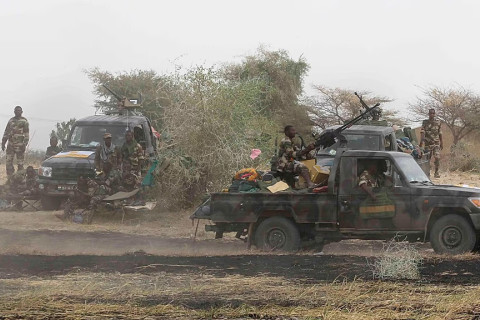
Heavy gunfire and explosions were heard overnight around Diori Hamani International Airport, which also houses the military Base 101, and in the Plateau district near the presidential palace. The fighting continued for several hours.
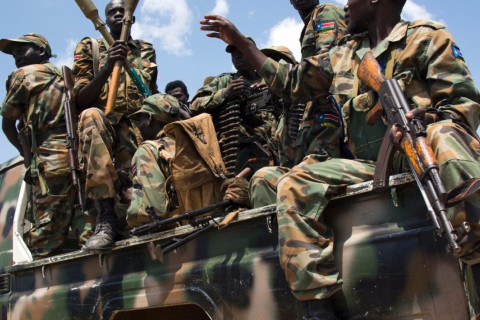
Niger’s Defense Minister General Salifou Mody said the soldiers had broken military discipline and attempted to rebel against their officers at the base. Security forces were deployed across the capital and later regained control of the main sites, according to the government.
The situation remained fluid, however. Reuters reported that the presidential palace appeared to be secured by loyalist troops, while the area around the airport was still contested and state television had been taken over by the mutineers. Reuters said it could not independently verify all of the accounts.
The attack comes as Niger continues to face a persistent jihadist insurgency despite repeated promises by its military rulers to improve security.
Niger has been ruled by a military government since General Abdourahamane Tiani seized power in a July 2023 coup that ousted President Mohamed Bazoum. Tiani’s government has since broken with former Western security partners, including France and the United States, strengthened ties with Russia and withdrawn Niger from the Economic Community of West African States.
The latest unrest also comes after two separate attacks on Niamey’s airport earlier this year. Affiliates of Islamic State and al Qaeda have both targeted the site, which serves as an important military and transport hub.
The involvement of soldiers from areas including Ouallam, Tera and Dosso adds another dimension to the latest incident. Those units have suffered heavy losses in fighting with Islamic State’s regional affiliate, according to Reuters.
For the government, the incident is particularly sensitive because it comes from within the security forces themselves. The military leadership took power partly on the promise of restoring security and reducing the threat posed by armed groups across the country.
Niger is also a key member of the Alliance of Sahel States, alongside Burkina Faso and Mali. The three military-led governments have sought to develop their own security arrangements after leaving ECOWAS.
Authorities have urged residents to remain calm and said security forces are mobilized to restore order. The immediate situation in Niamey appears more stable, but the attempted mutiny highlights the pressure facing Niger’s military government from both jihadist violence and instability within its own security apparatus.