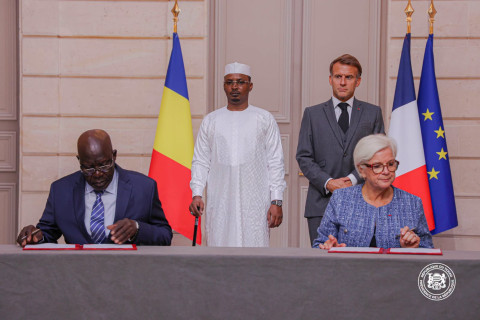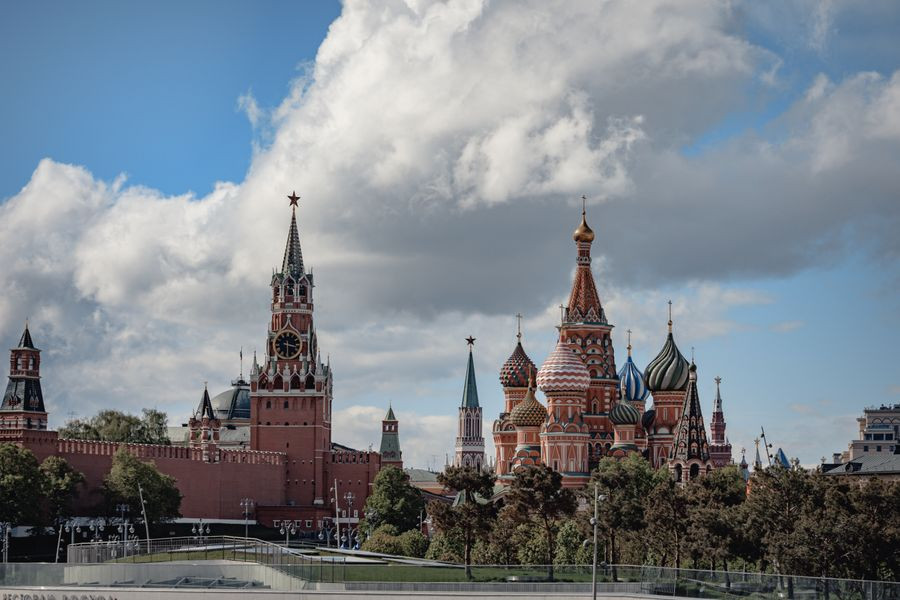
Russia will host the third Russia–Africa Summit in Moscow on October 28–29, seeking to strengthen political dialogue and cooperation across a continent where external powers are competing for diplomatic and economic partnerships. The meeting will give the Kremlin an opportunity to demonstrate its continued access to African leaders. For African governments, its significance will depend on whether high-level engagement produces concrete benefits.
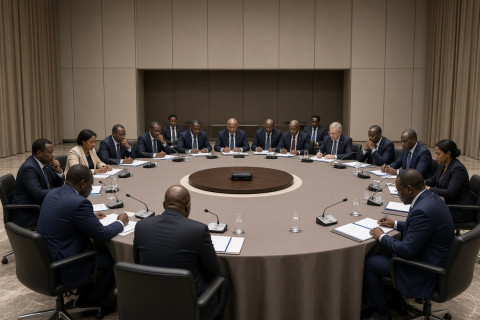
Africa Intelligence reported on October 20 that 17 African leaders had confirmed their attendance. The summit and the accompanying Russia–Africa Economic and Humanitarian Forum are expected to bring together government representatives, regional organizations, business leaders and experts. Organizers have identified trade, investment, security, energy, infrastructure, science and technology among the main areas of cooperation.
The meeting follows previous summits in Sochi in 2019 and St. Petersburg in July 2023. The three-year summit format provides a recurring framework for relations between Russia and African states. In a joint statement issued in July 2026, the African Union Commission and Russia welcomed preparations for the Moscow meeting and said it should give renewed impetus to their partnership and advance shared priorities.
For Moscow, the summit offers a platform to reinforce its diplomatic position at a time when its war against Ukraine continues to shape relations with Western governments. Engagement with African countries gives Russia opportunities to pursue political, economic and security partnerships beyond its traditional European relationships. A substantial turnout would provide a visible demonstration of those diplomatic connections, although attendance alone would not establish the depth of Russia’s influence.
African governments, meanwhile, have their own reasons to maintain relations with Moscow. Cooperation can open channels for investment, energy projects, education, technology and security arrangements. But African states have different national interests and maintain relationships with a range of international partners. Participation in the summit should not automatically be interpreted as alignment with Russia or a shift away from other partners.
The economic agenda will be one measure of the meeting’s practical value. Organizers have highlighted trade, investment, energy, infrastructure and technological cooperation, but broad priorities are not equivalent to funded projects or completed agreements. The significance of any commitments will depend on financing, implementation timelines and whether they address participating countries’ needs.
The summit also comes as African governments seek greater room to maneuver in an increasingly competitive international environment. Working with multiple external partners can expand their options, provided that agreements serve domestic development priorities and do not create unsustainable dependencies.
Ultimately, the Moscow meeting will test both sides’ ability to translate diplomatic engagement into practical cooperation. The number of leaders attending will attract attention, but the more consequential measure will be what follows: whether announced commitments are implemented and deliver tangible results for African countries.