Rising insecurity in northern Cameroon is putting pressure on one of Central Africa’s key trade routes, raising transport costs, disrupting local communities and exposing the limits of existing security measures.
The Maroua–Kousséri–N’Djamena corridor is a lifeline for landlocked Chad, while Cameroon’s port of Douala serves as a major entry point for goods destined for the Chadian market. The route also supports trade with Nigeria and connects communities across the three countries. Formal trade is accompanied by a large informal economy, particularly in food and livestock, making the corridor important to livelihoods as well as regional commerce.
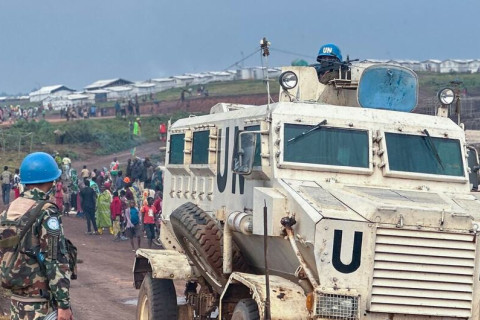
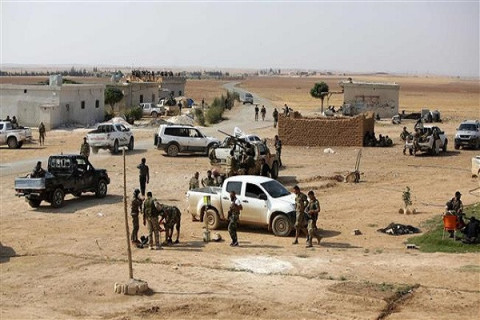
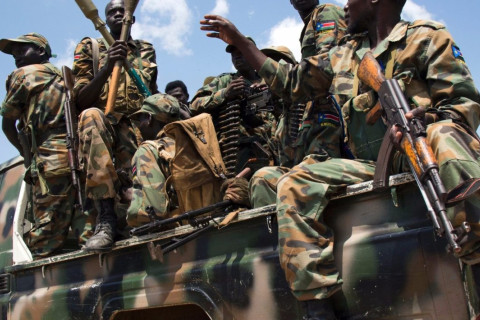
Growing insecurity is now complicating that role. Kidnappings and other attacks have increased along Cameroon’s northern highway, while armed groups operate near the border with Nigeria. Poor road conditions, especially during the rainy season, further increase the vulnerability of travelers and freight operators. Some journeys of under 300 kilometers can take several days, giving armed groups more opportunities to target vehicles and passengers.
The economic effects extend beyond individual attacks. Businesses and freight operators are increasingly forced to use longer and more expensive routes, while delays and vehicle damage add to operating costs. Disruptions to supply chains can contribute to shortages of basic goods and higher prices, while transport fares have also increased. Multiple checkpoints and roadside harassment create another layer of pressure on businesses operating along the corridor.
For communities in Cameroon’s Far North, the security problem is also a social one. A September 22, 2026 attack that killed 15 people in Madegoua forced hundreds of residents from nearby villages to flee toward Kousséri and other towns. The arrivals placed additional pressure on local health services, while displaced residents reported shortages of food and limited assistance.
Cameroon and its neighbors have responded with a combination of military operations, cross-border coordination and development measures. Cameroon and Chad reaffirmed their defense cooperation in May, focusing on intelligence sharing, joint military coordination and threats including terrorism and illicit trafficking. Cameroon and Nigeria also signed a defense memorandum in June that calls for stronger coordination and intelligence sharing against cross-border threats.
The response is not limited to security forces. Cameroon’s government is also pursuing projects aimed at improving the corridor’s infrastructure and reducing transport bottlenecks. A regional program covering the Douala–N’Djamena corridor is intended to improve road and rail infrastructure, facilitate transit and reduce administrative obstacles. At the same time, a stabilization program in the Far North has supported security infrastructure, community-based early-warning mechanisms and local resilience initiatives.
Yet the continuing pressure on the corridor shows that security, infrastructure and economic development cannot be treated separately. As insecurity raises the cost of moving people and goods, it also weakens the economic links that connect northern Cameroon with Chad and Nigeria. Maintaining the corridor’s role will therefore depend not only on military protection, but also on safer roads, more efficient border management and stronger cooperation between the countries that rely on it.