Mali has criticized Guinea’s “uncoordinated” expulsion of thousands of artisanal gold miners, warning that the sudden cross-border influx is creating a humanitarian emergency.
Malian transition Prime Minister Abdoulaye Maïga said on November 10 that Guinea should have consulted Mali before carrying out the operation, although he said Mali respected Guinea’s sovereign right to enforce its laws, according to RFI.
He said that “consultation between Mali and Guinea must be permanent,” arguing that the lack of advance notice had complicated Mali’s response to an already large and vulnerable population.
Mali’s Crisis Management and Coordination Centre said it had registered about 160,000 people expelled from Guinea as of November 7, including about 100,000 in Bamako and nearly 60,000 in the border town of Kourémalé. Six deaths were reported in Kourémalé, while injured people, including women, were receiving medical care.
Mali has allocated about $390,000 for emergency assistance, including shelter, food, health care, protection and transport. Initial measures include 50 tents, hot meals and medicines for health facilities, while humanitarian partners have pledged additional resources and coordinated assessments.
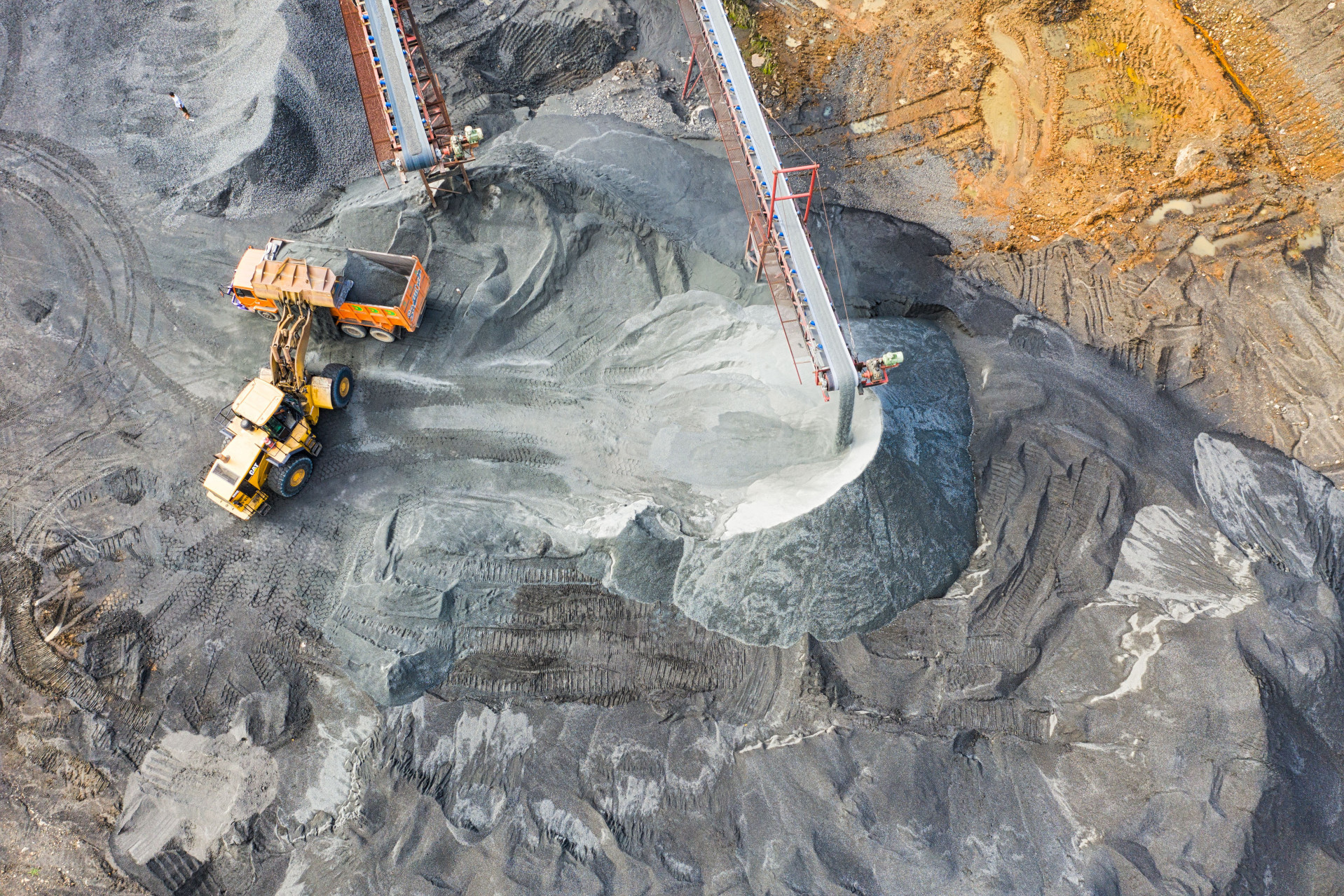
The returns followed Guinea’s ban on unregulated artisanal gold mining in Siguiri, one of the country’s principal gold-producing regions, which took effect on November 2. Guinea’s defense and security ministries said 1,263 people had been arrested, including nationals of Guinea, Burkina Faso, Mali, Togo, Niger, Côte d’Ivoire and Ghana. Many were transferred to Conakry for investigation and possible prosecution.
The Guinean authorities have also expanded enforcement to Mandiana, Kérouané and Kouroussa, and dismissed 22 territorial administrators accused of facilitating illegal mining.
The World Health Organization warned that overcrowding, poor shelter, limited water and sanitation, and pressure on health services raise the risk of diarrhoeal disease, respiratory infections, dehydration, malnutrition and psychosocial distress.
Mali is working with UN agencies and aid organizations to provide medical care, medicines, tents and meals at reception sites in Kourémalé and near Bamako. Authorities are also organizing returns for foreign nationals, with Burkina Faso reporting convoys carrying thousands of its citizens home.
Burkina Faso’s Security Minister Mahamadou Sana described the operation as “very deplorable and regrettable” and said Ouagadougou had received no notification before its nationals were expelled.
The dispute is a diplomatic test for Mali and Guinea, which have generally maintained close ties despite political upheaval in the Sahel. Guinea notably kept its border with Mali open during ECOWAS sanctions in 2022, and Guinea has remained aligned with Mali, Burkina Faso and Niger.