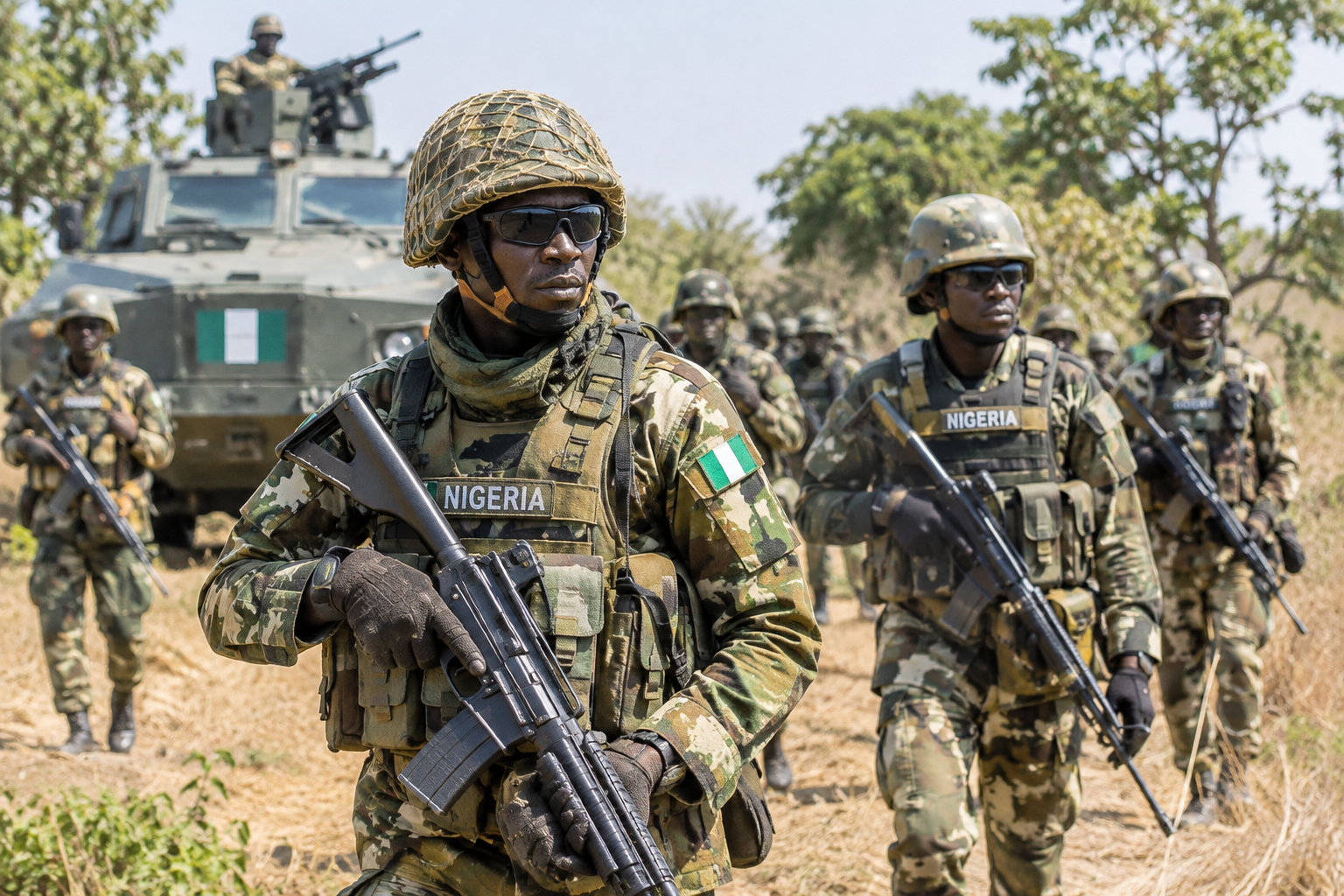
Nigeria’s military has ruled out a ceasefire with Boko Haram and Islamic State West Africa Province (ISWAP), vowing to continue counterterrorism operations amid intensified attacks on military positions in the northeast.
Speaking at a joint security briefing in Abuja on November 5, Defence Headquarters spokesperson Major General Samaila Uba dismissed reports of an agreement with insurgents, according to Reuters.
“There is nothing like a ceasefire,” Uba said, adding that operations against armed groups and criminal networks would continue.
The statement followed a September 7 investigation by The New Humanitarian, which reported that a temporary truce had allegedly been in effect since June between the government and a Boko Haram faction led by Ibrahim Bakura Doro.
The report linked the alleged arrangement to negotiations that secured the release of 360 civilians abducted from Ngoshe, Borno State, in March. It also cited an alleged payment of five billion naira (approximately $3.7 million), a claim denied by the Nigerian government.
The reported arrangement did not involve ISWAP, a separate armed group that emerged from a split within Boko Haram.
Uba said Nigerian forces had conducted 588 security operations in September and October, neutralizing 435 fighters, arresting 809 suspects and securing the surrender of 198 militants. Troops also rescued 717 kidnapped people and recovered 5,666 weapons, ammunition items and explosive devices. These figures were provided by the military and have not been independently verified.
The military also reported repelling attacks in Borno and Yobe states on October 30, killing 48 fighters. On November 2, it announced the killing of four senior ISWAP commanders, including a Shura Council member, in Borno.
Nigeria has fought the Boko Haram insurgency since 2009, with the conflict killing thousands and displacing millions across the Lake Chad Basin.
The military’s denial does not resolve questions about the reported contacts with one Boko Haram faction. Publicly available information does not establish whether a temporary understanding was reached.
For Abuja, the immediate position remains clear: military operations will continue, while the broader question of whether negotiations can help secure hostages and reduce violence remains unresolved.