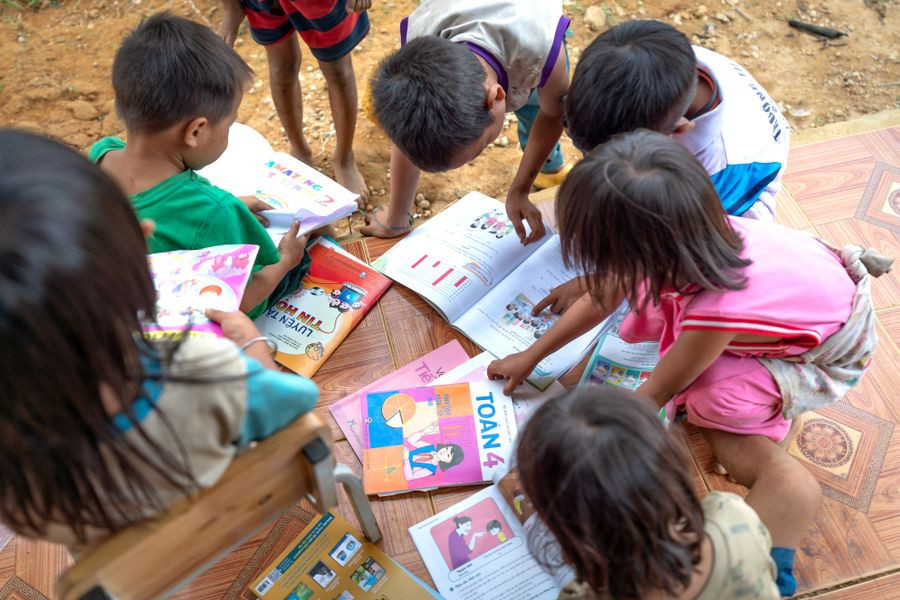
Cameroon has taken another step toward expanding access to education for vulnerable children through a series of new initiatives aimed at reducing school exclusion and strengthening support for learners with special educational needs.
The measures form part of the country's National Inclusive Education Policy (PNEI) and are being implemented with technical support from UNESCO Central Africa under the Education Cannot Wait (ECW) Multi-Year Resilience Programme (PPR). The programme seeks to ensure that children affected by conflict, disability and other forms of vulnerability can remain in school and receive appropriate educational, medical and psychosocial support.
The urgency of the initiative is reflected in recent national data. According to the ECAM 5 household survey, approximately 2.93 million children and young people aged 4 to 18 were out of school during the 2020–2021 academic year. Nearly 420,000 five-year-olds had no access to organised pre-primary education, while more than one million primary school-age children were not enrolled. School exclusion also affects about 401,000 lower secondary and 518,000 upper secondary students.
To address these challenges, education authorities in Yaoundé presented the findings of a nationwide assessment identifying children outside the education system and those considered at risk of dropping out. Officials also introduced a new national framework promoting extracurricular cultural and sporting activities as tools to improve inclusion, strengthen resilience and encourage pupils to remain in school.
In parallel, experts meeting in the coastal city of Kribi drafted a new interministerial regulatory framework designed to improve coordination between schools, healthcare providers and social services. The proposed system establishes common procedures for identifying children with special educational needs and referring them for medical, educational and psychosocial support, while ensuring that core assessment services remain free of charge.
UNESCO said the reforms are intended to strengthen links between education, health and social protection while supporting the country's progress toward UN Sustainable Development Goal 4, which calls for inclusive and equitable quality education for all. The organisation described the programme as part of Cameroon's broader commitment to ensuring that no learner is left behind, regardless of ability, background or place of residence.