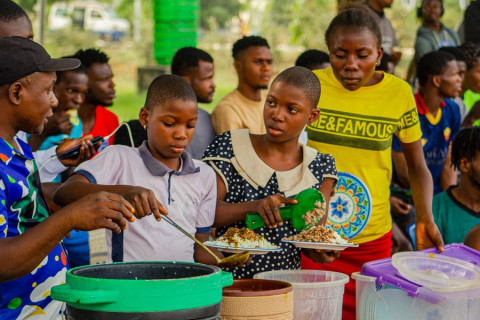
A cholera outbreak in Cameroon’s Far North Region has killed at least 28 people and infected approximately 1,000 others since mid-July, highlighting the continuing threat posed by unsafe water and poor sanitation across the Lake Chad basin.
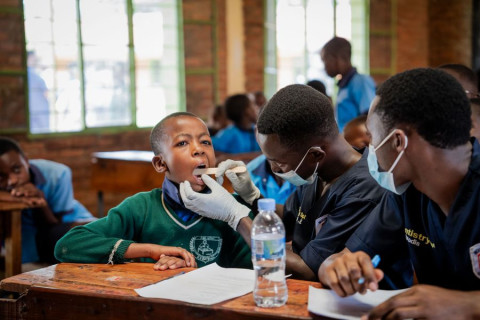
The outbreak is mainly concentrated in the districts of Fotokol, Mada, Makary and Kolofata. At Mora District Hospital, health workers report that new patients have been arriving daily. Sixteen cases have been recorded at the facility so far.
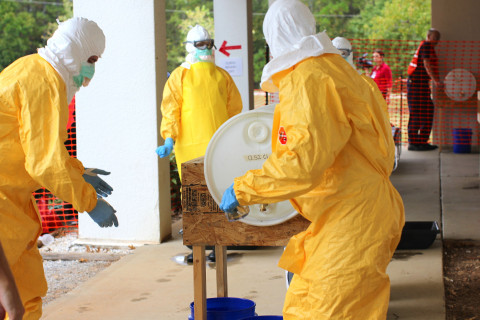
Cameroon’s Ministry of Public Health is coordinating a response combining treatment, disease prevention and vaccination. Dr Celine Mairousgou Tchida, head of the Far North’s Centre for the Prevention and Control of Epidemics, said authorities would begin a vaccination campaign in the coming days.
The outbreak was confirmed on June 29 and had reached nine health districts by August 2, according to an International Medical Corps situation report. The report recorded 990 cases and 28 deaths, putting the case-fatality rate at 2.83 percent—well above the internationally accepted target of less than 1 percent for a well-managed cholera response. The figures cover a wider area than those cited in the latest local reporting.
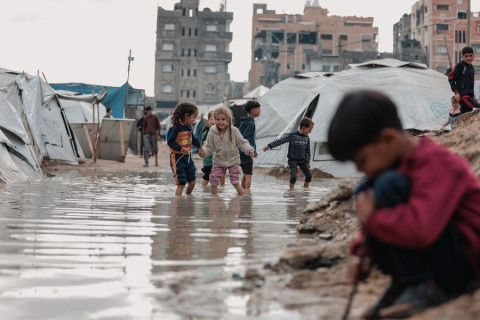
Seasonal rains are adding to the challenge. Heavy downpours create surface runoff that can carry human waste from streets and open spaces into drains, wells and other water sources. Open defecation, limited access to clean drinking water and inadequate hygiene facilities are also helping the disease spread.
The outbreak is unfolding in a region affected by displacement and insecurity, where crowded settlements and limited health services can make it difficult to isolate patients and monitor contacts. International Medical Corps said 53 suspected cases had been reported at Minawao refugee camp as of August 2. The camp hosts more than 81,000 refugees, increasing concern about transmission among both displaced people and surrounding communities.
The situation reflects a wider regional emergency. In neighboring Chad, the government reported 239 cases and 13 deaths after officially declaring an outbreak in July. Eleven of those deaths occurred in the capital, N’Djamena, while the northern Hadjer-Lamis province was also affected. About 50,800 people had received cholera vaccines by early August.
In late July, the humanitarian organization Médecins Sans Frontières (MSF) warned about a worsening cholera outbreak in Nigeria’s Borno State, reporting 35,000 suspected cases and 198 deaths so far. MSF said the numbers reflect data collected from treatment centers and communities across the state between May and July 2026.
Further south, the Central African Republic declared a cholera outbreak in June. UNICEF reported 214 suspected cases and 24 community deaths by July 1 across Bangui, Bimbo and Mbaïki.
Health authorities across the region are urging residents to use treated or boiled water, wash hands regularly and seek immediate care for severe diarrhea or vomiting. Cholera can be treated effectively with rapid rehydration, but delays can be fatal within hours.