Japan is providing $1.3 million to support school feeding and nutrition programs in Chad, helping thousands of children and vulnerable families as the country continues to face significant food and nutrition challenges.
The contribution, equivalent to around JPY 200 million, was formalized in September through an agreement between Japan and the United Nations World Food Programme (WFP). The funding will support school meals and nutrition programs for six months, with a focus on children and vulnerable groups.
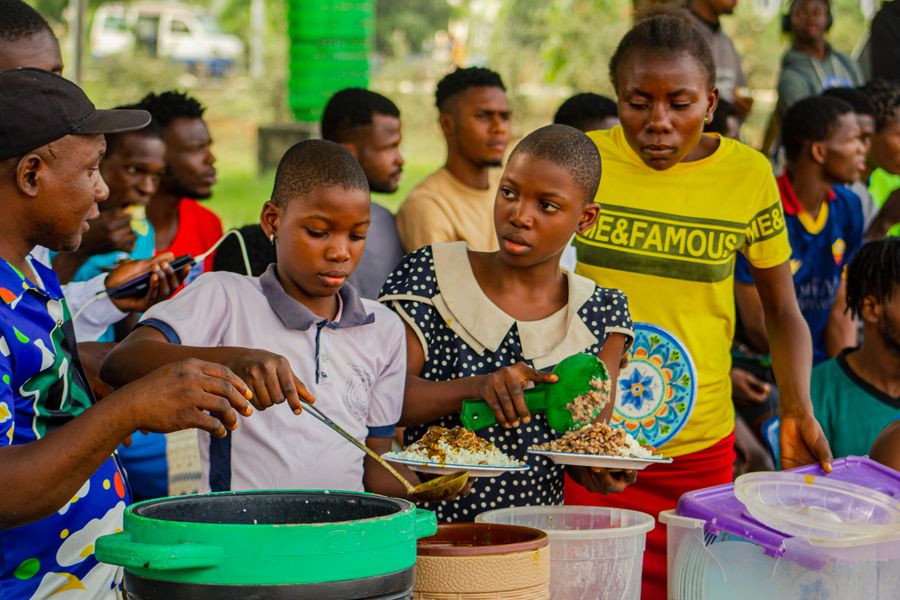
Around 16,400 schoolchildren will receive meals through the program. Another 6,700 children under five, as well as pregnant and breastfeeding women, will receive support aimed at preventing malnutrition. Overall, the assistance is expected to reach approximately 23,000 people.
The program will also provide 333 metric tons of food. WFP said the assistance will help children maintain access to nutritious meals while supporting their ability to attend and remain in school.
School feeding is particularly important in Chad, where access to adequate nutrition remains a challenge for many families. Providing meals at school can help reduce one of the barriers to regular attendance while giving children access to food during the school day.
Japan’s contribution will also support efforts to strengthen locally sourced food systems. WFP’s school feeding programs in Chad include the use of food produced by local farmers, linking nutrition programs with agricultural communities and local markets.
The initiative also places attention on girls’ education. School meals can provide an additional incentive for families to keep children, particularly girls, in school, while reducing some of the household costs associated with feeding children during the school day.
Japan has been a long-standing contributor to WFP operations in Chad, supporting programs addressing food security, nutrition and resilience. The latest contribution adds to international efforts to strengthen access to food and essential services for vulnerable communities.
For Chad, the program combines immediate nutritional support with an investment in children’s access to education. While the funding is limited in scale compared with the country’s wider food-security needs, its focus on schoolchildren and young children gives the assistance a direct impact on some of the population groups most vulnerable to malnutrition.
The six-month program will provide a concrete boost to school feeding and nutrition services while supporting WFP’s broader work to improve food security and strengthen resilience among vulnerable communities in Chad.