Cholera outbreaks are spreading across Central Africa along two major transmission corridors, with seasonal rains, flooding and population movements increasing risks for children and communities across several countries.
In August, UNICEF reported active outbreaks in the Democratic Republic of the Congo (DRC), Congo (Brazzaville), Chad, Cameroon and the Central African Republic (CAR), alongside a major outbreak in Nigeria. The agency identified two main transmission corridors: the Lake Chad Basin, linking Chad, Cameroon and Nigeria, and the Congo River Basin, connecting outbreaks in the DRC, Congo (Brazzaville) and CAR.
The outbreaks are particularly affecting children. UNICEF reported that children under 10 accounted for 44% of reported cholera cases in CAR, while nearly two-thirds of infections in Chad were among children under 15. In Cameroon, the median age of reported patients was just 10 years. The DRC had recorded more than 30,400 cases and nearly 700 deaths by the time of UNICEF’s August assessment, giving it the highest reported death toll among the countries covered.
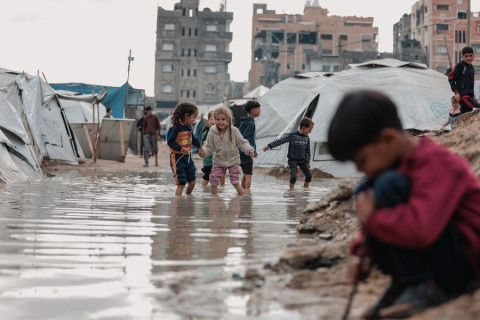
The geographic pattern is important because cholera spreads through contaminated water and can move across borders through population movements and shared infrastructure. UNICEF said seasonal flooding can contaminate water sources, damage sanitation systems and make affected communities harder to reach. The agency has called for stronger cross-border coordination, alongside investment in safe water, sanitation, hygiene, surveillance and vaccination.
A new international response was announced on September 22. The World Health Organization (WHO) and Saudi Arabia’s King Salman Humanitarian Aid and Relief Center signed a $5.33 million agreement to strengthen cholera preparedness and response in the Lake Chad Basin. The program covers Cameroon, Chad, Mali, Niger and Nigeria and includes drilling wells, rehabilitating public latrines, disease surveillance, medical supplies and upgrades to health facilities.
The agreement comes as the wider African Region continues to face a substantial cholera burden. WHO reported 61,888 cholera cases across 16 African countries between January 1 and May 31, 2026, including 28,567 cases in the DRC during that period. The organization also recorded 1,230 deaths across 12 countries, with the DRC accounting for 815.
For Central Africa, the challenge extends beyond treating individual outbreaks. The concentration of transmission around shared river systems, border areas and mobile populations makes water and sanitation infrastructure a regional public-health issue. The latest response efforts show growing international attention, but sustained investment will be needed to reduce the conditions that allow cholera to return and spread across borders.