The Democratic Republic of the Congo (DRC) has recorded 3,759 Ebola deaths from 7,773 confirmed cases, a fatality rate of about 48%, according to the country’s health ministry.
The figures, published on September 22, show an increase of 159 cases since 18 September, with at least 1,935 recoveries and 839 patients still in isolation or hospital.
More than 130 days into the Bundibugyo virus outbreak, the UN World Health Organization (WHO) said response efforts had been scaled up and were yielding “the first encouraging signs of progress” in some areas.
In the 21 days to September 20, cases fell by about 26% in Ituri—the outbreak’s epicentre—and by 15% in Haut-Uele, but North Kivu recorded a 73% rise, underscoring sharply different transmission patterns across the seven affected provinces.
“While cases and deaths are declining in some provinces, they continue to rise in others,” said WHO Regional Emergency Director for Africa, Dr Marie Roseline Belizaire, warning that the outbreak remained uncontrolled and geographically widespread.
One of the agency’s greatest concerns is that around one in three new infections are only identified after people die in the community, increasing transmission risks among families, caregivers and those involved in burial practices.
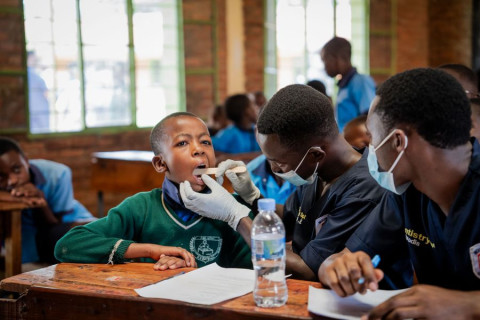
Although adults account for most confirmed infections, children under five face the highest case fatality rate, more than 60%, compared with roughly 40% among adults. WHO officials say young children are harder to detect early because they cannot clearly describe symptoms and clinical presentation can be confusing, leading to delayed treatment and more community deaths.
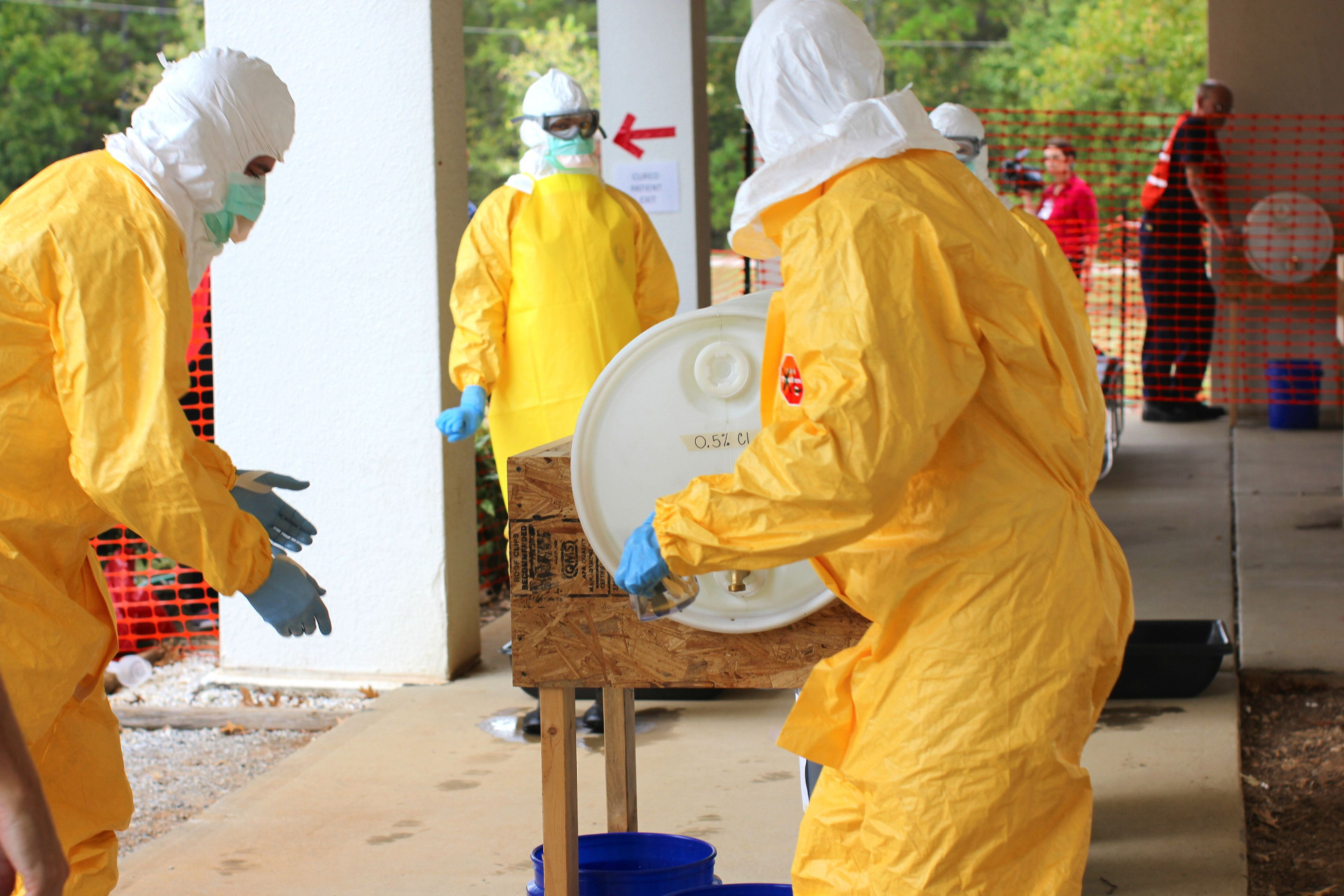
Infrastructure has expanded to nearly 1,400 treatment and isolation beds across 49 Ebola treatment centers, with 25 laboratories able to process up to 2,500 tests a day. Yet WHO and partners warn that staffing remains a critical bottleneck: one treatment center requires about 300 health professionals, and many new beds cannot be operated without additional qualified personnel.
Contact tracing has improved to almost 88%, but many infections still lack known epidemiological links, highlighting persistent surveillance gaps. WHO officials stress the need to decentralise response from urban hubs such as Beni, Butembo and Katwa to remote villages where long referral distances delay care.
On the sidelines of the UN General Assembly, the US State Department pledged an additional $267 million to fight the outbreak, bringing the Trump administration’s total commitment to $886 million, including $107 million from the Department of Health and Human Services.
US officials said the funds would support treatment facilities, diagnostics and medical countermeasures for health workers, as international partners work toward a $2 billion financing target.
In a separate public health emergency, at least 450 cholera cases and 37 deaths have been confirmed in Pweto Territory, Haut-Katanga, with cramped living conditions among artisanal miners and shortages of safe drinking water blamed for the spread. Provincial health officials warned that reliance on polluted lake water had exacerbated transmission in the southeastern province.