Health workers in the Democratic Republic of the Congo (DRC) are struggling to contain an Ebola outbreak that has now reached an eighth province, while neighboring countries race to trace contacts and reinforce border screening after new imported cases.
The outbreak, caused by the rare Bundibugyo virus, has killed more than 4,600 people among 9,552 confirmed infections since it was declared in mid-May, the United Nations reported on October 22.
Ongoing insecurity and displacement in DRC’s Nord-Ubangi Province, which borders the Central African Republic, are complicating contact tracing, treatment and community engagement. According to the World Health Organization (WHO), transmission remains intense, with reports of about 15 deaths per day in parts of Mangina, in North Kivu’s Beni territory.
Nigeria confirmed its first case on October 20, becoming the fifth country this year to detect Ebola Bundibugyo virus disease after the DRC, France, Uganda and Kenya. The patient, a woman who arrived from Uganda, developed symptoms on October 7 and was hospitalized in Abuja two days later.
Local media in Nigeria have warned that misinformation and public distrust could discourage people from reporting symptoms or cooperating with contact tracers, risks that health authorities say could undermine containment.
WHO’s Patrick Otim said infection-prevention measures had been strengthened in Abuja’s health facilities, with authorities urging private clinics nationwide to remain alert.
Kenya has reported nine cases, including the death of a Kenyan national who travelled from the DRC through Uganda before arriving in Nairobi. Health officials say 135 contacts have been traced and accounted for.
Uganda, which declared its outbreak over at the end of August after 20 cases and two deaths, has tightened checks along its DRC border. Health Permanent Secretary Diana Atwine warned that people who evade screening or leave quarantine without authorization could face prosecution.
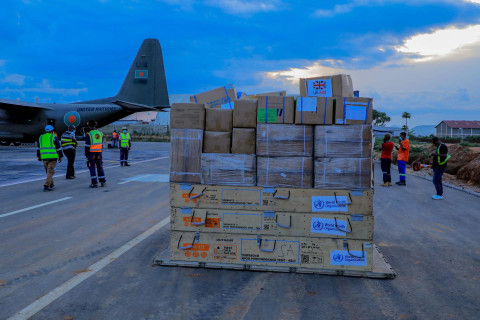
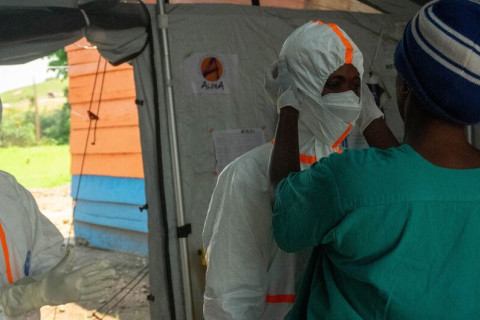
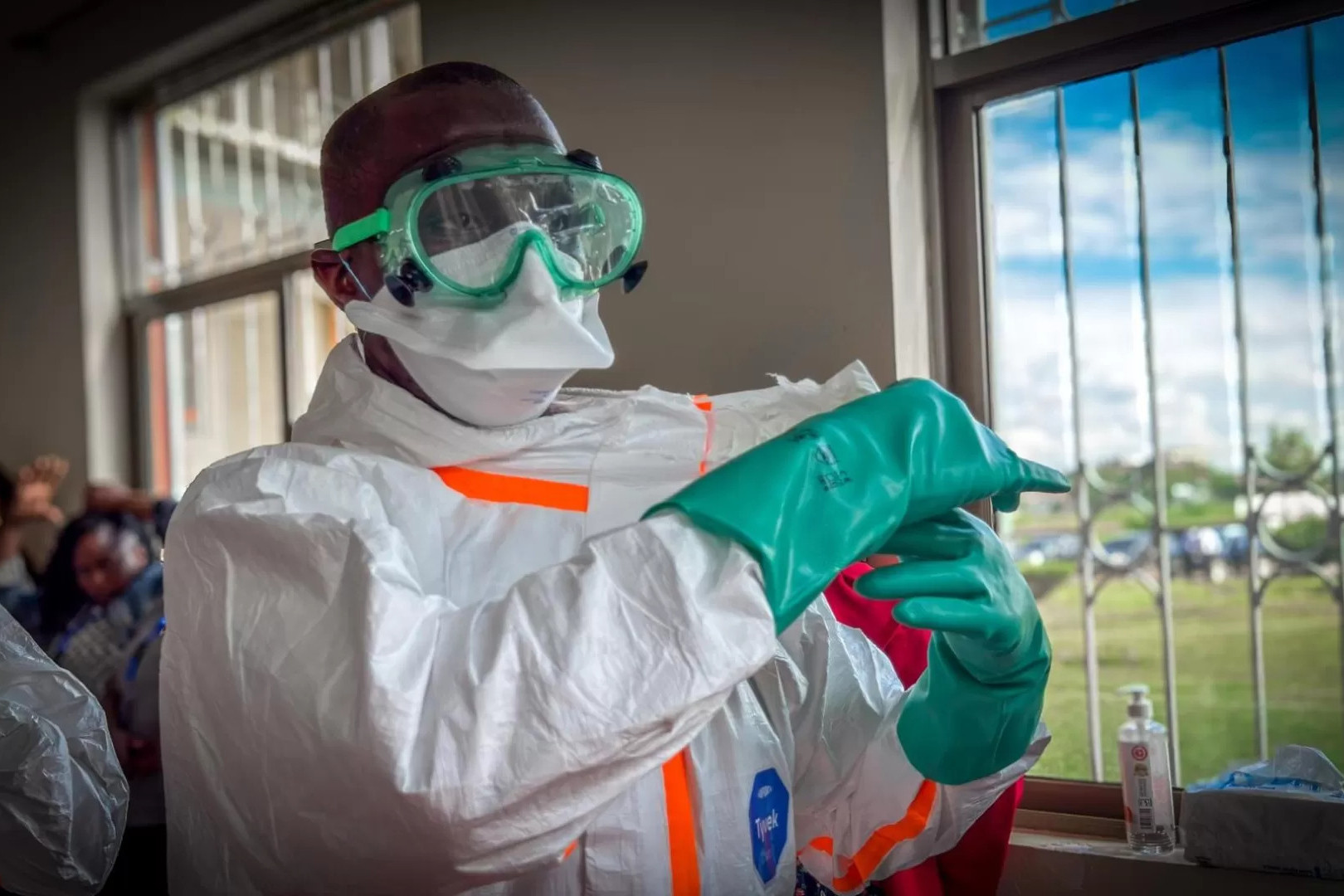
At the DRC–South Sudan border, authorities have agreed a joint roadmap covering information sharing, surveillance, investigations and risk communication. In Aba, five of 11 planned screening points are operational, although responders still face shortages of protective equipment, isolation capacity and patient-transfer transport.
There is currently no approved vaccine or treatment for Ebola disease caused by the Bundibugyo virus. Researchers in the DRC are studying whether Ervebo, developed against the Zaire Ebola virus, offers cross-protection, but preliminary results are not yet available.
WHO Regional Director for Africa Mohamed Janabi said the virus was “no longer confined to one place” and urged governments to detect cases earlier, bring safe care closer to communities and build public trust before fear becomes a barrier to survival.