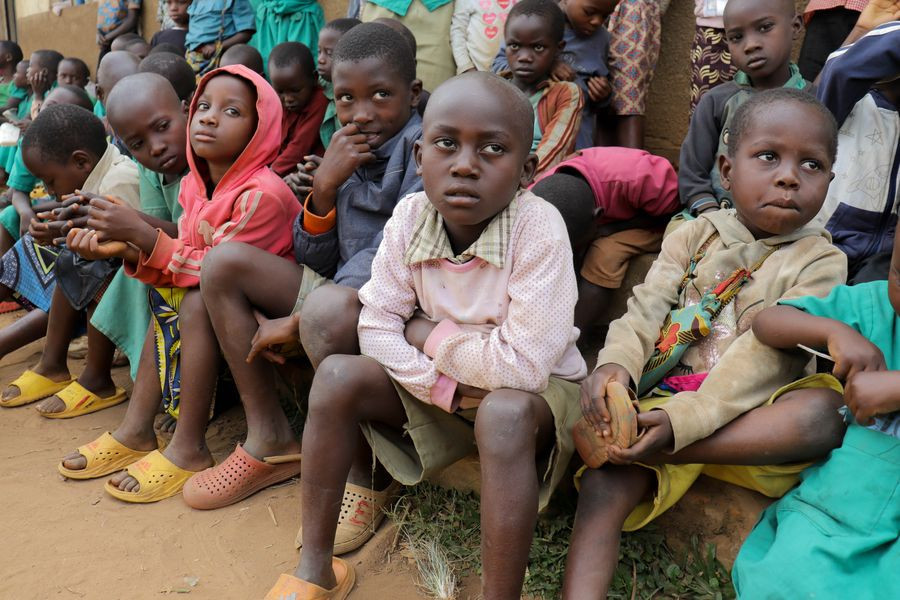
More than 1,900 children in eastern Democratic Republic of the Congo (DRC) have lost one or both parents or been separated from their parents or caregivers during the ongoing Ebola outbreak, UNICEF reported on October 6, warning that the number of affected children could be higher than currently recorded.
As of September 28, authorities and UNICEF had identified 1,581 affected children in Ituri province and 322 in North Kivu. The figures cover only areas where UNICEF works with provincial social affairs authorities, leaving the full scale of the problem uncertain.
The outbreak, declared in May 2026, is affecting communities already facing conflict, displacement and limited access to essential services. Ituri and North Kivu are among the provinces hosting large numbers of internally displaced people, making it more difficult to identify vulnerable children and connect them with support.
Children are also bearing a heavy direct toll from the disease. According to UNICEF’s analysis of Ministry of Health data, at least 2,076 children had been confirmed with Ebola and 1,162 had died as of September 29. Children accounted for more than one-quarter of confirmed cases and roughly one-third of recorded deaths. Among children under five with confirmed infections, seven in 10 had died.
In Bunia, the capital of Ituri province and a focal point of the outbreak, an additional 214 children living and working on the streets were identified as needing protection. UNICEF warned that children without caregivers face heightened risks of infection, exploitation and violence, and may be less likely to receive timely medical care.
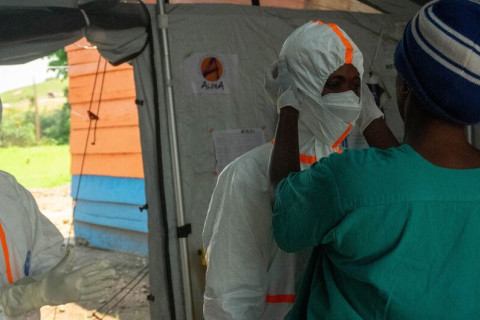
UNICEF supports 12 nurseries near Ebola treatment centers in Ituri, North Kivu and South Kivu. The facilities provide care for young children who have been exposed to the virus, are unaccompanied or whose caregivers are receiving treatment. The agency also works with social services to trace families, reunite children with relatives and arrange alternative care where necessary.
The organization is calling for nurseries at every Ebola treatment center, stronger pediatric care, more social workers in affected areas and support to help children return to school.
UNICEF is seeking $113.4 million for its Ebola response in the DRC. As of October 6, $40.1 million had been mobilized, leaving a substantial funding gap for emergency assistance and child protection services.