Equatorial Guinea has threatened to reclaim fuel-storage tanks leased to Cameroon-controlled distributor Tradex, as the government moves to strengthen state oil company Gepetrol during a renewed nationwide fuel shortage.
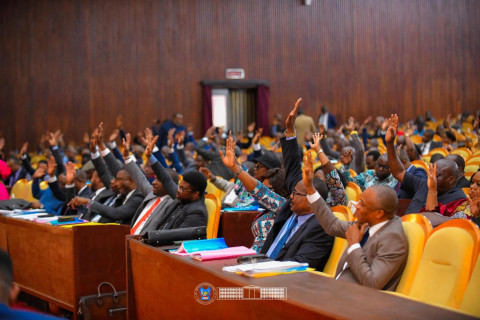
Vice-President Teodoro Nguema Obiang Mangue announced the plan after an emergency meeting in Malabo with government officials and fuel distributors, saying that the measures form part of a strategy to prevent a repeat of the supply disruption, the country’s third fuel crisis in less than a year.
“The master plan that I have entrusted to the members of the sector includes the recovery of the storage tanks leased to Tradex, the construction of a pharma tank for the massive storage of fuel; and, in the long term, the construction of a national refinery,” he said.
The government plans to invest $20 million to expand Gepetrol Servicios’ purchasing and storage capacity, aiming to hold reserves sufficient for three to six months of consumption. Experts would arrive next month to prepare feasibility work for a national refinery, with the project targeted to begin in 2027.
On October 15, the government penalized TotalEnergies and Tradex a combined about $2.6 million for delays in procuring and delivering fuel. Tradex’s share was about $857,000.
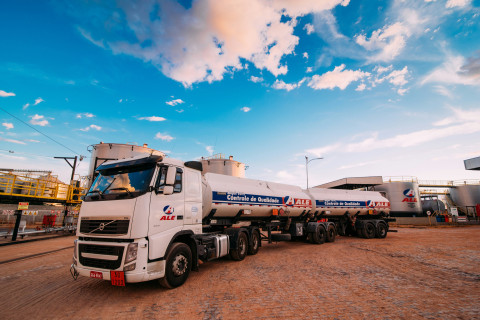
Tradex Equatorial Guinea, a subsidiary of Cameroon’s state-owned National Hydrocarbons Company (SNH), operates 12 service stations across the country. The company has committed to delivering 5,000 tons of fuel on October 22-23, followed by an additional 10,000 tons between November and December.
The fines and the possible recovery of Tradex’s storage facilities fit within a broader effort to make Gepetrol Servicios the country’s principal fuel distributor. Gepetrol, which has 32 distribution points, was itself awaiting a 5,000-tonne shipment in late October.
Tradex was authorized to distribute petroleum products in Equatorial Guinea in 2018, joining TotalEnergies and state-owned GEPetrol in a market previously dominated by the French group. The latest dispute underscores Malabo’s growing preference for greater state control over strategic fuel storage and distribution.