The Death of the Village
When experts discuss the Sahel and Central Africa, they often use complex terms like climate-induced displacement or demographic pressure. But if you actually walk through the hot, crowded streets of cities like N’Djamena or Bangui, the situation is much more straightforward and far more dangerous. It is about a whole generation of young people who have lost their traditional way of life.
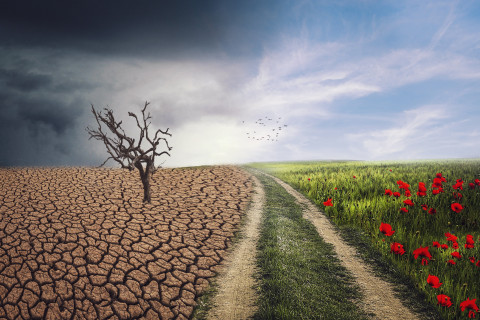
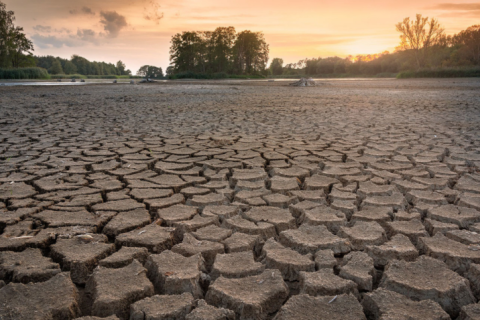
Forced out by extreme weather, they are now struggling to survive on the outskirts of rapidly growing cities. For a long time, life in rural Chad, Cameroon, and the Central African Republic followed a steady pattern of farming and herding. In recent years, that pattern has completely fallen apart. The heat is now unbearable, and wells that served communities for generations have dried up. Lake Chad has shrunk to a fraction of its former size. For millions of people, staying in their villages is no longer an option; it is a matter of survival. They pack what they can and head to the big cities, hoping to find water, electricity, and work.
The Boiling Pot of the Slums
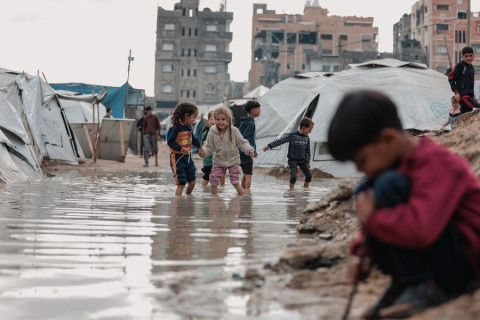
But there is a catch: these cities were not built to handle so many people and are already overwhelmed. When a young guy arrives in a capital like N’Djamena, they don't find much opportunity. Instead, they find crowded slums and almost no steady jobs. You can’t farm in the city, and there are already too many people selling small items on the street. This creates a serious social problem. There are now thousands of frustrated young men living in these slums with nothing to do. They feel forgotten by their governments and the rest of the world. This environment is perfect for criminal gangs and extremist groups. To a teenager who is hungry and has no prospects, a group that offers a sense of belonging and a small amount of money looks more like a lifeline than a threat.
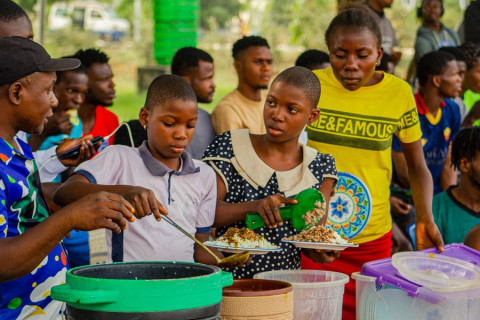
We need to stop looking at this as just an environmental problem that can be fixed with trees or international conferences. It is a social crisis that is moving very fast. The old rural way of life is disappearing, replaced by a desperate struggle for survival in urban areas. Sending emergency food aid is a temporary fix that doesn't address the root of the problem. People are being forced out of their homes because the land can no longer support them. Until leaders understand that the instability in the cities is directly tied to the environmental collapse in the countryside, these urban centers will only become more volatile. If the situation isn't addressed at its source, the eventual fallout will be impossible to manage with traditional aid or security measures.