Somali President Hassan Sheikh Mohamud has urged international donors and climate funds to provide $6.3 billion in adaptation financing for Somalia through 2035.
Addressing the leaders’ session at the COP31 UN climate summit in Antalya, Türkiye, Mohamud said wealthy countries should honor existing climate commitments and release disaster-preparedness funds before emergencies escalate. He called for grants rather than loans, arguing that further borrowing would deepen the financial strain on vulnerable states, Goobjoog reported on November 12.
The president also asked international financial institutions and climate funds to simplify application procedures and base eligibility on a country’s exposure to climate hazards, and warned that an approaching El Niño could affect 3.4 million Somalis, particularly in flood-exposed districts.
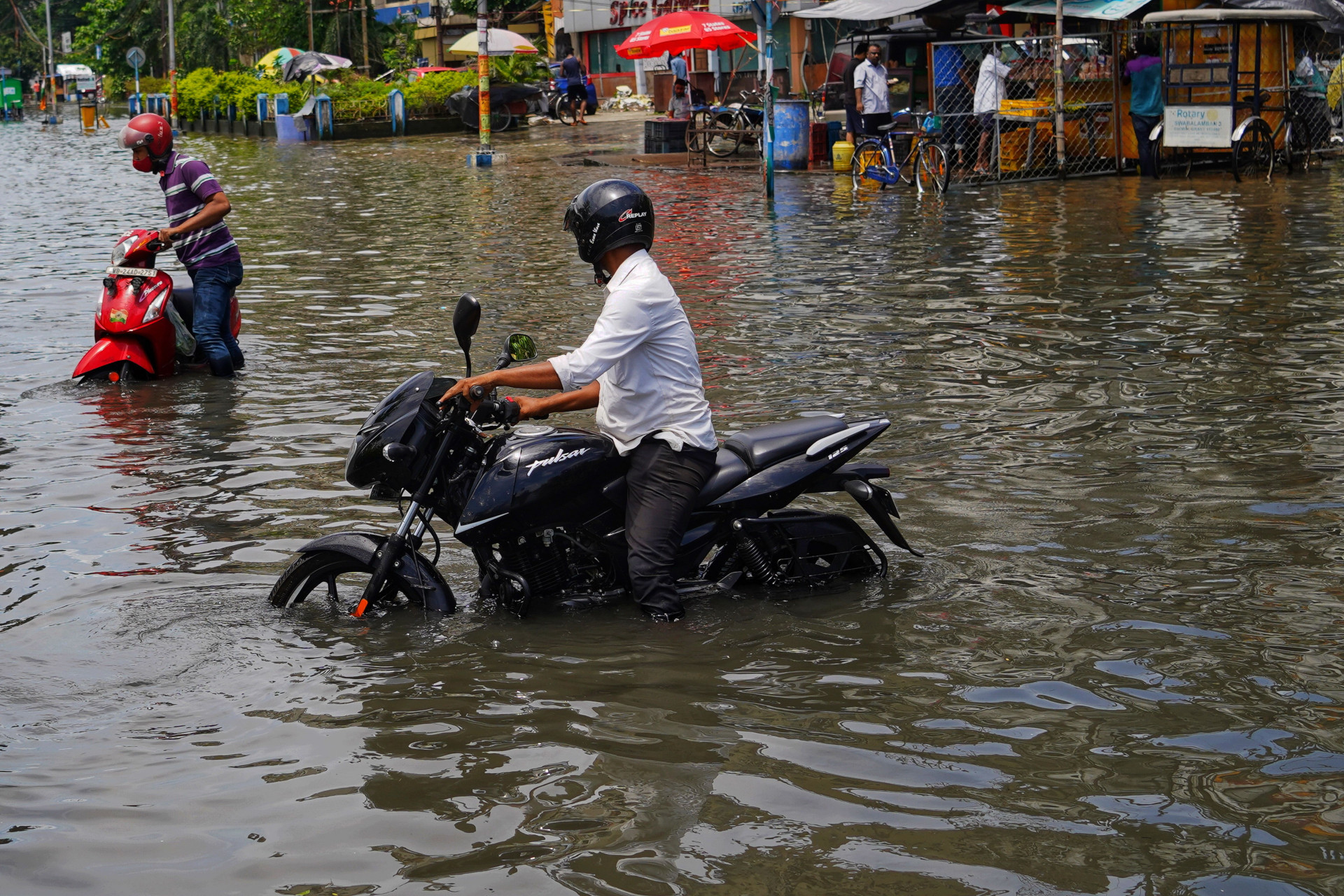
Aid groups predict that around 1.1 million people could be displaced by the end of the year if heavy rains trigger severe flooding. Somalia endured consecutive failed rainy seasons, while the 2023–24 El Niño brought floods that affected more than 2 million people, destroyed crops and homes, and displaced hundreds of thousands.
Somalia’s request aligns with its updated national climate plan, which estimates adaptation needs at $6.33 billion between 2025 and 2035.
Somalia’s economy and rural livelihoods depend heavily on rain-fed farming and livestock herding, leaving communities exposed to erratic rainfall, drought, water shortages and flooding. The country’s climate plan allocates much of the proposed adaptation investment to agriculture and irrigation, resilient infrastructure, water systems, health care and early-warning capacity.
Somalia’s broader climate finance plan seeks about $11.5 billion for both adaptation and mitigation, with the $6.3 billion adaptation component intended to fund resilience projects nationwide. The government is seeking predictable, grant-based support to move from repeated emergency responses toward longer-term protection for lives, livestock, farmland and displacement-prone communities.