The Democratic Republic of the Congo (DR Congo) is facing a worsening food security crisis, with 30.3 million people projected to experience Crisis-level acute food insecurity or worse between January and June 2027. The forecast represents a record high, according to a joint statement issued on November 13 by the Food and Agriculture Organization (FAO), the World Food Programme (WFP), UNICEF and the World Health Organization (WHO).
The latest Integrated Food Security Phase Classification (IPC) analysis estimates that 28.8 million people, or 23% of the analysed population, are facing high levels of acute food insecurity (IPC Phase 3 or above) between September and December 2026. This includes 3.6 million people in Emergency conditions (IPC Phase 4). The number facing Emergency conditions is projected to rise to 4.2 million in the first half of 2027.
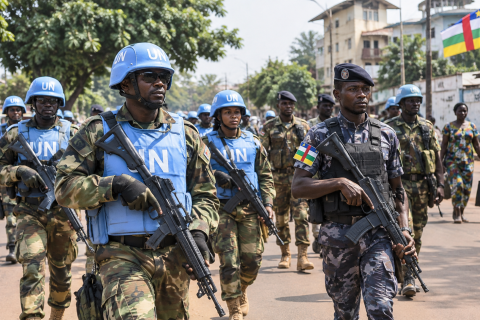
North Kivu, South Kivu and Ituri remain among the hardest-hit provinces, with 10.4 million people facing Crisis-level food insecurity or worse. Within these provinces, four territories — Djugu in Ituri, and Fizi, Shabunda and Walungu in South Kivu — are classified in Emergency conditions.
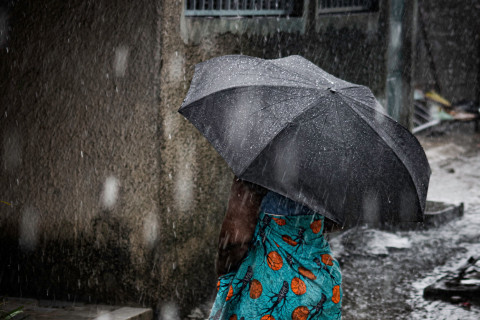
The projected deterioration reflects the combined effects of continued armed conflict and displacement, the spread of Ebola, climate shocks and rising food and fuel prices. Anticipated El Niño-related flooding could further disrupt agricultural production and livelihoods, while declining humanitarian assistance is leaving vulnerable communities with fewer resources.
The four UN agencies have called for increased funding and coordinated action to expand food assistance, restore agricultural livelihoods, prevent malnutrition and maintain access to healthcare, clean water and sanitation. They also urged all parties to ensure safe and unhindered humanitarian access, particularly in conflict-affected areas.