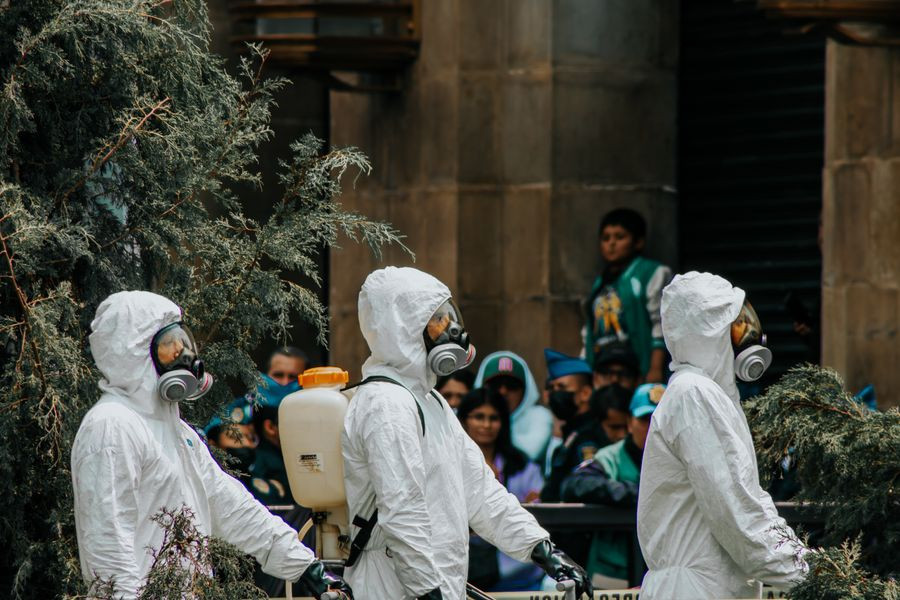
The World Health Organization (WHO) has highlighted the role of local health workers and community volunteers in containing the Ebola outbreak in the Democratic Republic of the Congo (DRC), where access to remote and conflict-affected communities remains a major challenge.
In a report published on November 15, WHO said more than 17,000 community health workers and 46,000 community representatives had received training and supplies to support the response. Their activities include disease surveillance, community engagement, risk communication, and helping people access essential health services.
The figures come six months after the outbreak caused by the Bundibugyo virus began. More than 11,000 cases and 5,400 deaths have been reported, with children accounting for more than a quarter of confirmed cases and one-third of fatalities.
Health teams have also expanded diagnostic and treatment capacity. The number of laboratories has increased from two to more than 24, while approximately 2,000 treatment beds are available across 104 treatment and transit centres. Around 3,000 people have recovered from the disease, according to the WHO.
Despite these developments, the outbreak continues to spread. Between 400 and 500 new cases are being reported each week, and transmission has reached 67 health zones across eight provinces.
Armed conflict and insecurity are among the main obstacles to the response. WHO reported more than 80 attacks on healthcare since the outbreak was declared, disrupting operations and preventing medical teams from reaching some communities. An attack in the Cantine-Aloya area recently killed 66 civilians, including three health workers, and resulted in the loss of contact with more than 1,000 people being monitored for possible exposure.
WHO stressed that the progress achieved depends on the continued involvement of Congolese health workers, community volunteers and international partners. The organization called for sustained funding, safer access to affected communities and stronger participation by residents to prevent further transmission.