Unlike China's infrastructure-led approach and the UAE's focus on ports and logistics, Qatar’s expansion into Central Africa relies on a highly selective investment model. Doha combines targeted commercial projects with development finance and flexible diplomatic engagement. While this approach offers Central African governments an alternative source of capital and greater foreign policy flexibility, it also raises critical questions about the tangible, long-term economic impact of these investments on the ground. This strategy directly reflects Qatar's domestic priorities. Rather than competing for broad, high-risk geopolitical influence, Doha focuses on sectors where commercial returns intersect with long-term diplomatic utility. Consequently, Qatari investment has generally focused less on financing entire national transport corridors, directing capital instead toward specific segments of agriculture, logistics, healthcare, aviation, and light industry where projects can remain self-sustaining while cementing political alliances.
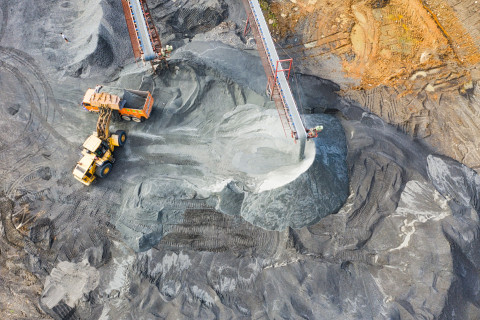
The Democratic Republic of the Congo illustrates this evolving approach. Beyond its diplomatic role in facilitating dialogue between Kinshasa and Kigali, Qatar has gradually expanded its economic footprint in the DRC. In September 2025, Qatar's Al Mansour Holding signed a non-binding letter of intent outlining potential long-term investments of up to $21 billion across mining, agriculture, and infrastructure. While this headline figure is vast, the investment package is expected to be implemented gradually through phased commercial projects, focusing on diversified, multi-sector joint ventures rather than a single, high-risk flagship project.
Chad presents a different application of the same strategic template, leaning heavily on development finance. In March 2026, Qatar Charity launched a major water infrastructure program to construct 67 modern wells and distribution points around N'Djamena, significantly improving clean water access for under-served urban and peri-urban populations. Such projects help build relationships with national and local institutions that may later facilitate broader commercial cooperation.
This calculated, gradualist approach is driven by three core strategic imperatives:
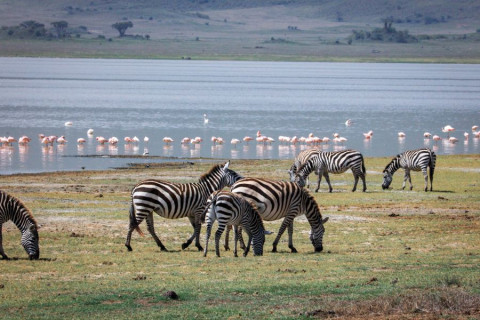
- Protecting Supply Chains: As a hyper-arid state reliant on food imports, Qatar utilizes overseas agricultural and logistical partnerships to secure its own long-term supply chain integrity, turning commercial investments into pillars of national resilience.
- Investment as a Diplomatic Tool: Doha systematically deploys capital to reinforce its diplomatic mediation. Its active mediation in the Great Lakes region runs parallel to expanding economic dialogues with regional governments, ensuring that commercial cooperation and peace facilitation remain mutually reinforcing.
- Flexible Capital Over Fixed Assets: Qatar generally favors joint ventures with private entities, sovereign wealth vehicles, or multilateral development institutions over rigid, state-led infrastructure programs. This limits direct financial exposure and allows Doha to scale its commitments up or down as local political and market conditions dictate.
For Central African states, this targeted model offers distinct advantages. It introduces much-needed competition among external investors and reduces reliance on traditional partners. Furthermore, because these projects are commercially driven, they are often subject to fewer policy conditions than traditional Western development financing.
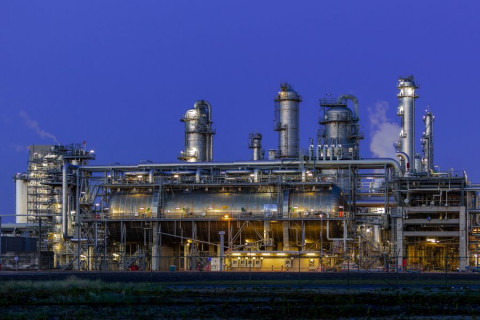
However, the model has structural limitations. Because Qatar concentrates primarily on commercially viable projects, its capital naturally flows toward high-yield sectors rather than the foundational public goods the region needs most. Large-scale regional transport corridors, national electricity grids, and rural development programs—which require decades of public financing—remain outside of Qatar’s investment profile. Additionally, technology transfer may also prove limited unless governments require stronger local-content provisions. Without robust regulatory frameworks, these highly targeted projects risk operating as isolated commercial successes, generating minimal spillover effects for local employment, skills development, or domestic supply chains.
Ultimately, Qatar is not seeking to replicate China's Belt and Road Initiative or compete directly with the Gulf's larger infrastructure investors. Instead, Doha has developed a diversified investment model that combines selective commercial projects with long-term diplomatic engagement. For Central African governments, this expands the range of available partners. Whether these investments translate into lasting economic transformation will depend less on Qatar's strategy than on the ability of regional governments to strengthen local industries, develop domestic supply chains, and negotiate investment agreements that deliver benefits beyond individual projects.