Former Democratic Republic of Congo (DRC) president Joseph Kabila has accused President Félix Tshisekedi of “mistakenly” treating a critical-minerals agreement with the United States as a guarantee of unconditional American political support.
In a public address on October 9, Kabila said such agreements bind states rather than individual administrations, and therefore cannot secure the survival of the government that signs them, according to KT Press.
“The rights and obligations of the parties under such agreements are guaranteed by the principle of the continuity of the state, not by the permanence of the regime in power,” Kabila said, and also alleged that the deal risked compromising national independence and the interests of future generations,
The US-DRC Strategic Partnership Agreement commits Kinshasa to explore partnerships with US and aligned companies for critical-minerals sourcing that meets international and regional standards. It also envisages a coordinated Strategic Minerals Reserve in the DRC. The US Embassy says the pact is intended to create conditions for increased American investment and support long-term stability.
Kabila’s criticism comes as Tshisekedi faces resistance over a national dialogue initiative launched in August to address political divisions. His allies have questioned whether the process will be genuinely inclusive and have demanded clearer guarantees on its preparation, facilitation and participation.
The dispute unfolds against the backdrop of continued fighting in eastern DRC between government forces and the Rwanda-backed Congo River Alliance/March 23 Movement (AFC/M23), despite US- and Qatari-led diplomatic efforts.
Kabila called for an inclusive national dialogue and said he would announce measures in the coming days to “save” the country from its political and security crises.
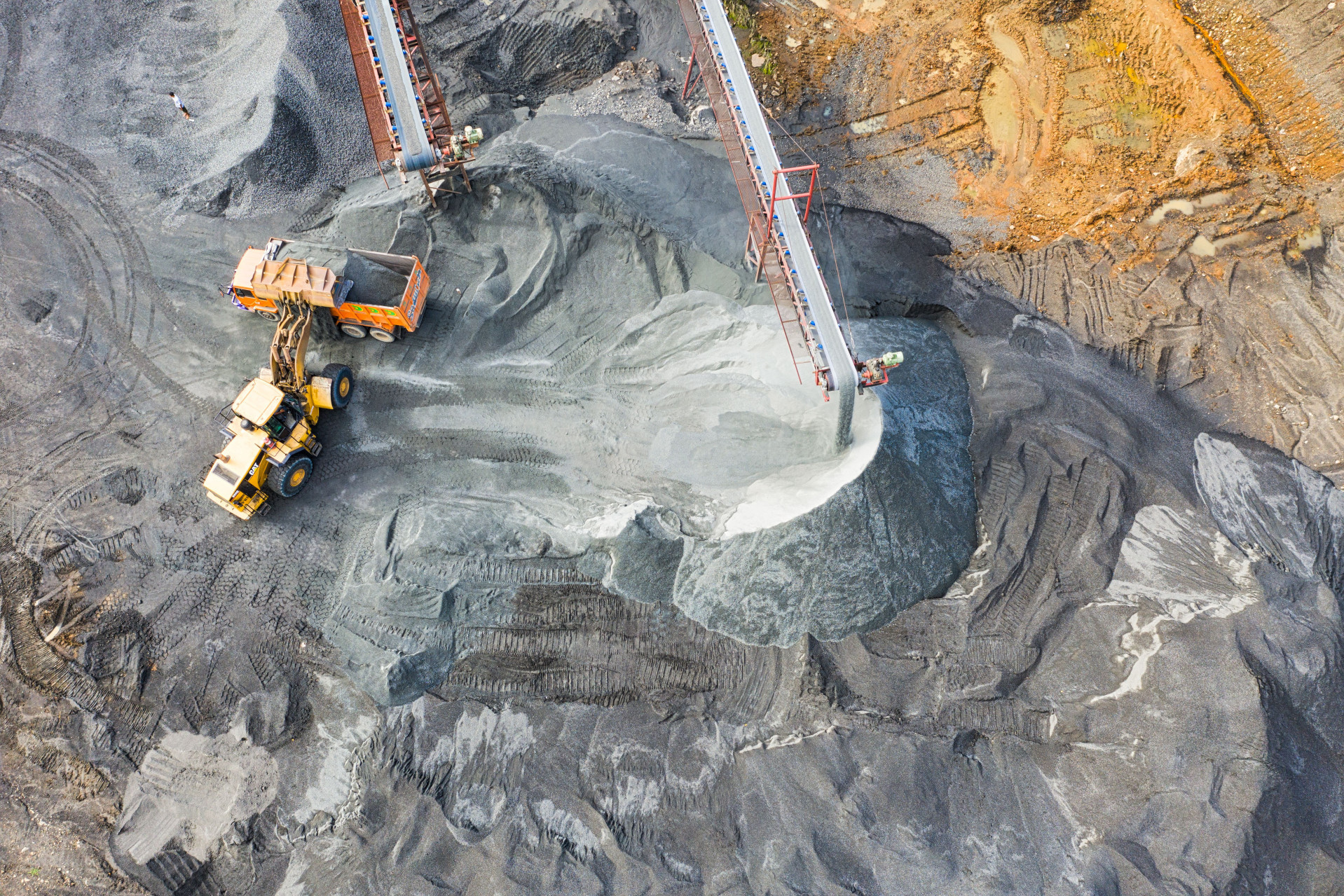
His remarks also intersect with Kinshasa’s increasingly assertive management of cobalt, a metal central to batteries and electric vehicles. The DRC produces more than 70% of the world’s mined cobalt, giving it substantial leverage but also exposing it to price volatility and competition from Indonesia.
The state regulator, ARECOMS, replaced a cobalt export ban imposed in February 2025 with a quota system from October 2025. The 2026-2027 framework caps exports at 96,600 tons annually, including 87,000 tons allocated to producers and up to 9,600 tons held as a strategic reserve.
In August, ARECOMS chair Patrick Mpoyi Luabeya said quotas could be reduced if the imbalance between supply and demand worsens. Separately, Kinshasa has banned exports of copper and cobalt concentrates to push more processing onshore, although analysts note the measure may have limited immediate impact because most Congolese cobalt is exported as hydroxide.