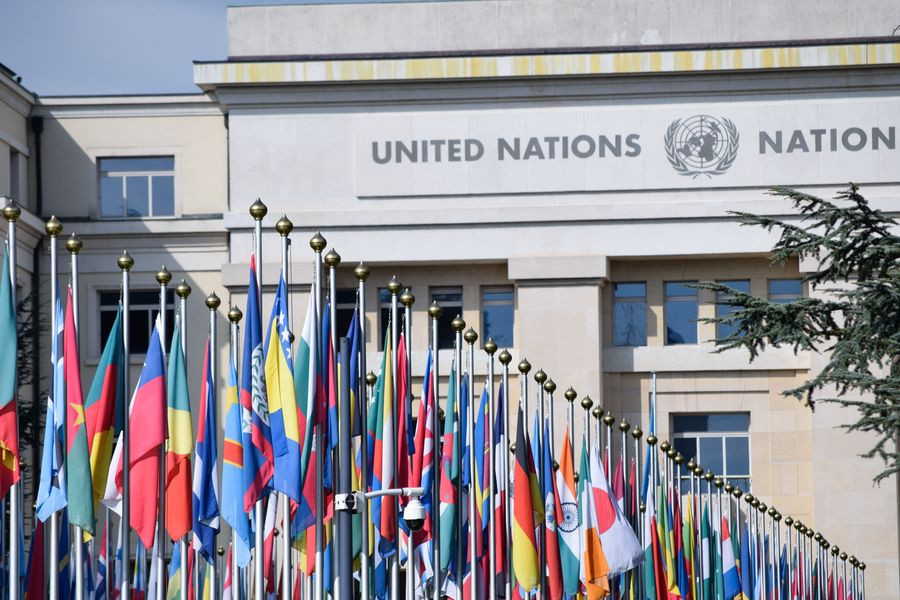
Malian diplomat Mohamed Ag Ayoya has emerged as the reported successor to Valentine Rugwabiza as head of the United Nations peacekeeping mission in the Central African Republic, according to Africa Intelligence. The publication also reports that Rwanda is backing his candidacy. Neither the proposed appointment nor Kigali’s alleged backing has been publicly confirmed.
In a report published on October 12, Africa Intelligence said Rugwabiza was preparing to hand over the post to her deputy. However, the UN’s official MINUSCA leadership page continues to list Rugwabiza as Special Representative of the Secretary-General and head of the mission, with Ayoya serving as her deputy.
Ayoya, a Malian national, was appointed Deputy Special Representative in November 2022. He also serves as the UN Resident and Humanitarian Coordinator in the Central African Republic and brings more than two decades of experience in humanitarian affairs, including assignments in conflict-affected countries.
Rwanda’s Role Under Scrutiny
The reported backing from Kigali adds a regional dimension to the potential change at the top of MINUSCA. Rugwabiza, who has led the mission since 2022, is Rwandan, and Rwanda also contributes peacekeepers to the UN operation.
Africa Intelligence says the appointment of Rwandan officials has prompted internal questions. Its report does not establish whether Rwanda’s alleged support for Ayoya has influenced the succession process, and the claim remains unverified by independent public sources.
The appointment of a Special Representative of the Secretary-General is a UN decision. The Secretary-General appoints mission chiefs, so Ayoya’s reported candidacy should not be treated as confirmed until the United Nations makes an official announcement.
Potential Transition Ahead of Mandate Renewal
The reported succession comes as MINUSCA prepares for a review of its mandate and future priorities. Established in 2014, the mission is tasked with protecting civilians, supporting the peace process, helping extend state authority and assisting with security-sector and electoral processes.
The Security Council is due to review the Secretary-General’s report on the Central African Republic and MINUSCA on October 20. The mission’s current mandate expires on November 15, 2026, making the coming weeks important for decisions on its future role and operational priorities.
The UN and Central African authorities are also considering a gradual transfer of some responsibilities to national institutions as part of the mission’s broader reconfiguration. In June, Ayoya said planning was underway to hand over certain responsibilities, including the gradual transfer of some bases to the Central African authorities. A change at the top could therefore coincide with decisions on MINUSCA’s future structure and its relationship with the government in Bangui.