South African exporters are increasing shipments of bulk commodities to China as Beijing cuts tariffs on African goods. The move contrasts with a 12.5% US tariff on affected South African exports.
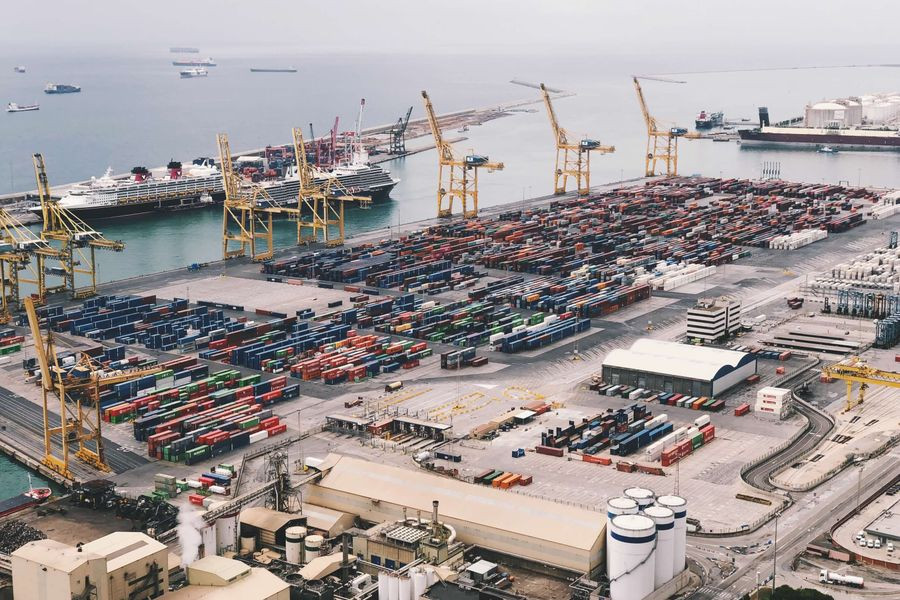
Xola Mkontwana, business strategy manager at the Port of Ngqura, said the port has recorded “exponential growth” in commodity throughput bound for China since the policy took effect. He specifically cited chrome, magnetite, iron ore, and corn as commodities benefiting from stronger demand.
Mkontwana attributed the increase in Chinese orders to expanding industrial and infrastructure activity in China, as well as favorable prices for South African mining and agricultural producers. No specific figures for the increase in cargo volumes were disclosed.
China’s zero-tariff framework took effect on May 1, 2026, and will run through April 30, 2028. The two-year arrangement provides qualifying exports from South Africa and 19 other non-least developed African countries with duty-free access to the Chinese market, subject to rules of origin and customs requirements.
The wider policy extends China’s duty-free treatment to 53 of Africa’s 54 countries. Eswatini is the only exception due to its diplomatic relations with Taiwan.
The policy is part of China’s broader effort to expand trade with Africa. Beijing says the measures are intended to promote common development and deepen economic ties, while South Africa has presented the arrangement as an opportunity to expand exports, support industrial development, and diversify its trade.
The importance of the Chinese market to South Africa is already substantial. China accounted for 11.4% of South Africa’s merchandise exports in August 2026, making it the country’s largest export destination that month, according to South African Revenue Service data.
The tariff change is also opening opportunities beyond bulk commodities. South Africa began exporting apples to China under the new framework in May, while Beijing has since opened its market to South African cherries. These developments point to a broader expansion of South African products entering 1.4 billion-person market.
For South Africa, the immediate effect is a greater access to one of the world's largest markets. The longer-term question is whether lower trade barriers can help the country expand higher-value exports rather than simply increase shipments of raw materials.
The early increase in cargo through Ngqura suggests that the policy is already affecting trade flows. Its broader economic impact will depend on whether stronger access to China translates into more diversified exports, investment, and greater value captured within South Africa.