The Democratic Republic of Congo (DRC) has moved closer to a major cross-border electricity project worth $300 million with Zambia.
The Strategic Investment Fund of the DRC (FIS-RDC), EnPower, Trafigura and Gridworks Development Partners signed an investment memorandum in Kinshasa on October 6, according to Trafigura’s website.
The partners signed a strategic framework agreement to jointly finance, build and operate the transmission line, although construction and final financing arrangements remain subject to further development work. The agreement concerns the Kalumbila–Kolwezi Interconnector Project (KKIP), designed to connect Zambia’s power grid to the DRC’s mining heartland in Lualaba province.
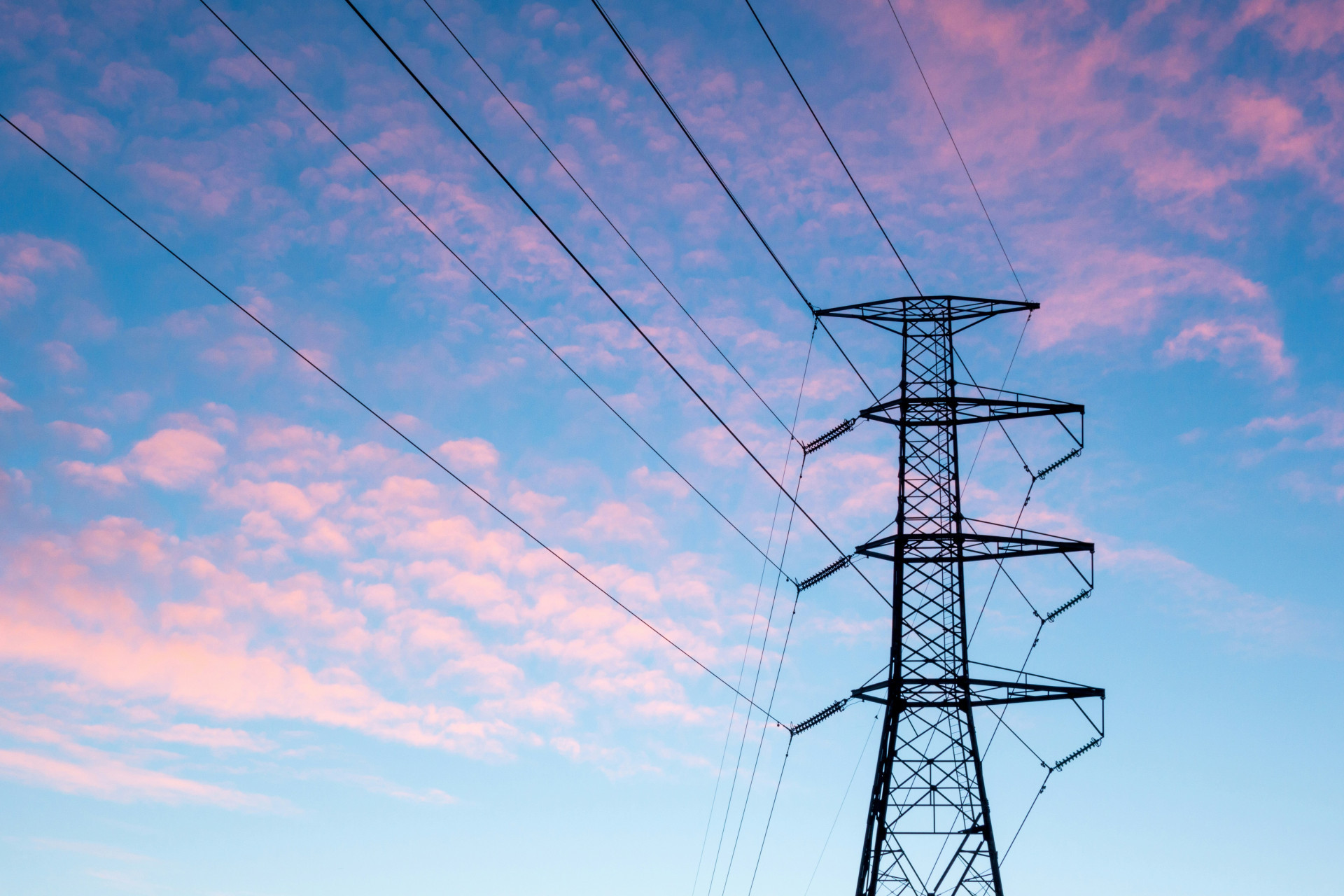
The project foresees a 330 kV high-voltage transmission line linking Kalumbila in northwestern Zambia with Kolwezi, the center of the DRC’s copper- and cobalt-mining basin. The line is expected to be about 190–200 kilometers long, with roughly two-thirds located on Zambian territory.
It is designed with two conductor bundles and N-1 redundancy, meaning the network should continue operating if one major component fails. Three substations are planned, including two in Kolwezi. The interconnector is intended to have a thermal capacity of 700 MW.
By connecting the two national grids, the project aims to improve electricity reliability in Lualaba and Haut-Katanga, where mining companies face recurring pressure on power supply. Its promoters say the link will support industrial activity, local processing of minerals and longer-term job creation.
According to a Trafigura executive, Congo’s miners could save up to $1 billion annually through access to additional power supplied through the interconnector.
Under the arrangement, FIS-RDC will act as a co-investor and Congolese institutional partner, while EnPower remains the project’s original developer. Gridworks, a subsidiary of British International Investment, is expected to serve as lead equity investor and majority shareholder, alongside FIS-RDC, EnPower and Trafigura.
Trafigura is expected to arrange a significant share of the debt financing and act as an offtaker. The project’s construction cost is estimated at about $300 million, although the partners have not publicly disclosed the full investment structure, equity shares or lending terms.
FIS-RDC Director General Émile Osumba described KKIP as the Fund’s first investment transaction. He said the initiative reflects the Fund’s mandate to structure financing and attract private and institutional capital into strategic infrastructure.
Zambia’s Energy Regulation Board approved the 190 km, 330 kV project in May 2025, and project materials indicate that the required concessions, licenses and approvals are in place. Still, no construction timetable, final financing package or commercial start date has been announced.