The Democratic Republic of the Congo is seeking to make its vast natural-resource wealth translate into broader industrial development, combining support for local manufacturers with measures to tighten oversight of the mining sector. The latest decisions point to this ambition, although their practical impact will depend on implementation.
The Industrial Promotion Fund (FPI) has approved $79.3 million for 13 projects across agro-industry, food processing, energy and manufacturing. The largest allocation, $32.26 million, is intended for maize storage and processing platforms in Kinshasa and Kolwezi. Another $16.2 million will support the expansion of Congo Cable's copper and aluminium cable production.
These investments address an important weakness in the Congolese economy: the limited connection between its capital-intensive extractive industries and domestic production. The World Trade Organization identifies low levels of local processing, inadequate infrastructure and high logistics costs among the sector's persistent challenges. Expanding food processing and manufacturing could help create domestic value chains, although approved financing alone does not guarantee that factories will be completed or operate competitively.
The government has also adopted three draft laws to ratify previously concluded financing agreements: a €70 million French Development Agency credit and two World Bank IDA agreements worth $80 million and $100 million. These are separate financing arrangements, not new funds approved as part of the FPI's industrial package. Their adoption by the Cabinet must still be followed by the legislative ratification process.
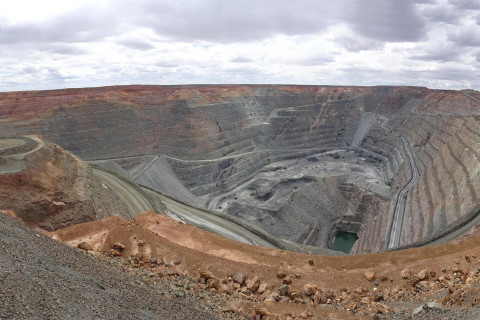
Mining governance is another part of the challenge. President Félix Tshisekedi has instructed the government to prepare legal measures placing the General Inspectorate of Mines under the presidency, with a 45-day deadline for the prime minister and mining minister to report on implementation. The proposed change is intended to strengthen coordination and the fight against fraud and illegal exploitation, but it has not yet been legally completed.
Ultimately, the test for Kinshasa will be whether these separate initiatives produce measurable results: more domestic processing, stronger industrial output, jobs and greater public revenue from mineral resources. Without improvements in infrastructure, electricity supply and enforcement, the country's industrial ambitions will remain difficult to achieve.